

Barnsley testing new citizen-run renewable energy initiative
Former coal mining communities in the UK are at the forefront of a new European initiative to drive the uptake of locally led renewable energy, based on shared solar power systems that are run directly by citizens and organisations in the area.
To date, technical challenges, cost and legal complexities have stopped community-based energy systems being mainstream. The project, called INNO-TREC, aims to help energy users overcome these barriers by giving them the tools to make the most of local energy resources.
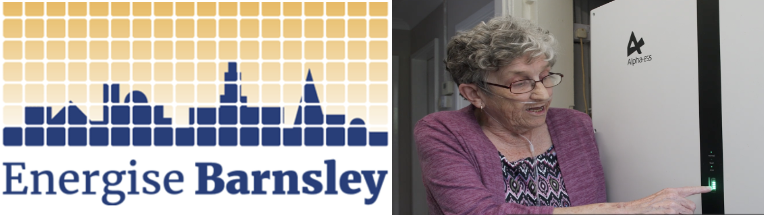
The vision of INNO-TREC is to create a new generation of renewable energy communities who can set up and operate shared clean energy systems – reducing costs, giving local autonomy and energy security, and promoting transitions to clean energy. Central to the project is testing and developing new community models and ways to share energy, to find practical and cost-effective structures for running sustainable community-led energy systems.
The 5.4-million-euro project is funded by the European Commission and involves 21 academic and industry partners from ten countries, with demonstration sites in Portugal, Greece, Ireland, Italy, Belgium and the UK. INNO-TREC is demonstrated in the UK by Cranfield University, Electric Corby CIC and Energise Barnsley - the largest local authority and community energy rooftop solar PV and battery storage project in the UK.

The UK demonstrator is based in the South Yorkshire town, working with social housing that is equipped with rooftop photovoltaic (PV) panels, battery storage and air-source heat pumps, financed by a community bondholder scheme offering participants energy savings of up to £400 per year.
Cranfield University is leading the design and testing of new commercial models, including social reward and financing mechanisms, alongside digital tools, to influence energy-use behaviour and reduce overall energy costs.
This will help the communities to reduce their energy costs, improve comfort for elderly and vulnerable residents, increase consumption from solar panels and cut carbon emissions.
Overall, this will ensure a resilient provision of supply locally and regionally.
The new model will contribute to the UK’s net zero goals and fuel poverty agenda, and could roll out in the future more widely, with more communities establishing and running their own renewable energy systems.
Dr Pegah Mirzania, Academic Fellow in Local Energy Systems at Cranfield University said: “This is a really timely project which gives power back to local people when it comes to energy supply and pricing. We’re aiming to create a system that is easy to set up and simple to operate, removing barriers to this new kind of renewable energy community.”

From left: Pegah Mirzania, Andy Heald (Director of Innovation, Enterprise Barnsley) and Nazmiye Ozkan
Sir Steve Houghton, Leader of Barnsley Council said: “Projects like this are ideal for investing in - providing a good return and helping to reduce energy consumption. It’s a win-win”.
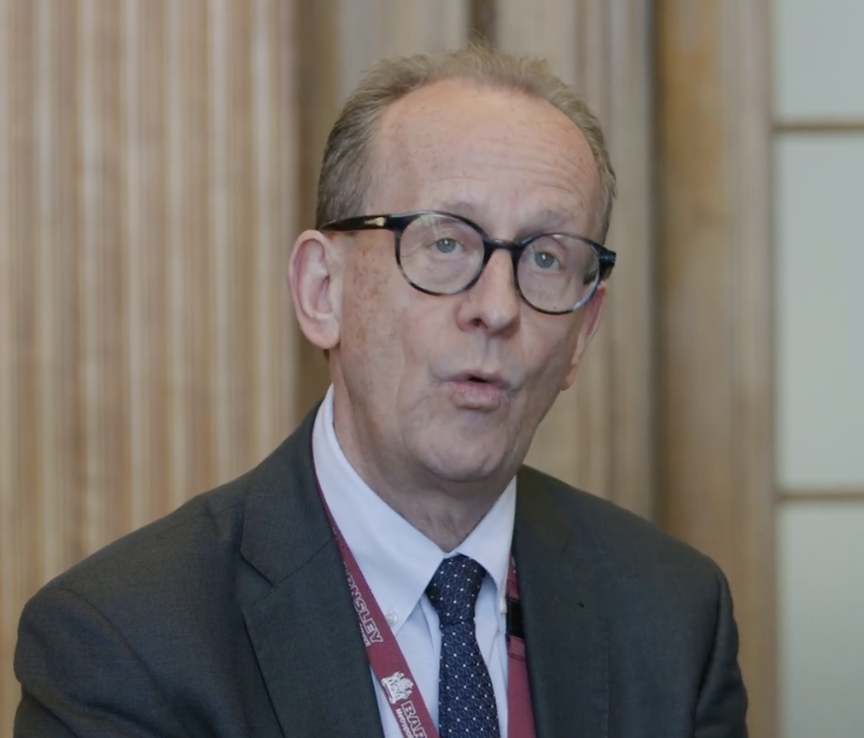
Sir Steve Houghton
Cranfield University leads the research and innovation of the UK demonstration, with expertise in community energy business models, systems analysis and AI-enabled decision support. Cranfield’s team is led by Prof Nazmiye Ozkan, with contributions from Dr Pegah Mirzania, Dr Mennan Gudar, and Dr Michael Millar.
Electric Corby CIC will lead the UK demonstration and is responsible for developing the project’s Business Plan and Go-To-Market Strategy. Energise Barnsley will manage local delivery and tenant engagement, bringing deep community energy expertise and managing the rollout of smart energy technologies across council-owned homes in Barnsley. The UK partners will also contribute to digital tool development, AI-powered decision support, financing schemes, and the evaluation of scale-up and commercialisation pathways.