

Cotswolds pylon removal 'once-in-a-generation opportunity'
Major plans to remove pylons from a picturesque landscape have moved a step closer.
National Grid wants to replace 7km (about 4.35 miles) of overhead high-voltage electricity line and 16 pylons with underground cables, to enhance land across the Cotswolds plateau.
The project has now received planning approval from both Cotswold District Council and Tewkesbury Borough Council.
Conservationist Chris Baines said it was a "once-in-a-generation opportunity to enhance and protect the landscape". The project will now await confirmation of funding from Ofgem before work can begin.
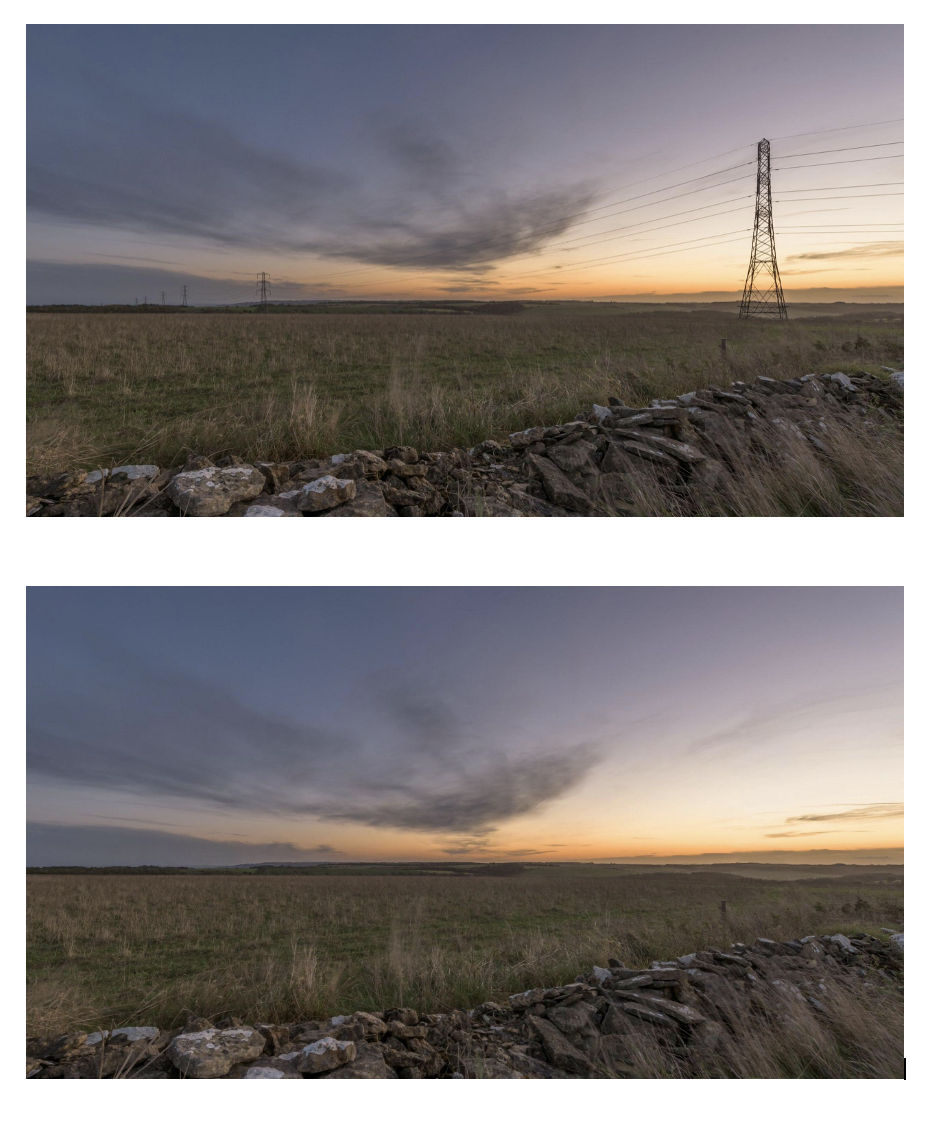
Now you see it, now you don’t. How the Cotswolds landscape will benefit from pylon removal. Images: National Grid
The project is designed to reduce the visual impact of the overhead power lines in an area close to the Cotswold Way National Trail and will run from the south west of Winchcombe to the south east of Cheltenham.

Amardeep Malhi
Amardeep Malhi, National Grid's project manager, said: "Thanks to the constructive advice from Cotswold District Council, Tewkesbury Borough Council and all local stakeholders throughout the planning and project development process, we have shaped our proposals from feedback received across the local community.
"We now have a positive outcome to progress this project to remove 7km of overhead line across the beautiful Cotswold landscape."
The section of line was identified by an independent landscape study as having landscape and visual impacts of high importance.
It is one of five schemes that are part of National Grid's Visual Impact Provision (VIP) project across England and Wales.

Chris Baines
Chris Baines, chair of the VIP project's national independent stakeholder advisory group said: "Through extensive community engagement and by working with stakeholders at a national and local level, we have a once-in-a-generation opportunity to enhance and protect this landscape."
The project has been developed in consultation with the Cotswolds National Landscape team, Gloucestershire Wildlife Trust, Natural England, and Historic England.
Following extensive consultation and planning, construction is expected to start this year, with completion expected by 2029.