

Cumbria planning influential energy role
The North West Clean Power Report forecasts billions of pounds in investment and the creation of 35,000 new clean energy jobs by 2028, driven by national energy policy and regional co-ordination.
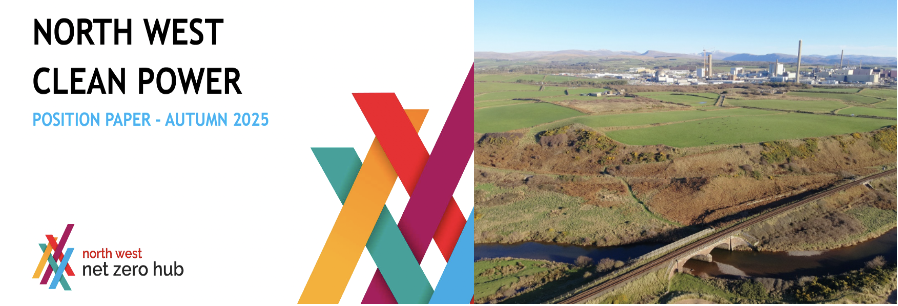
Pioneer Park site, West Cumbria
Cumbria’s councils said the North West was poised to become a global leader in clean energy innovation and industrial decarbonisation – attracting new businesses, unlocking investment, and boosting long-term economic growth.
The report also looks ahead to Great British Energy’s forthcoming Local Power Plan, which is expected to give local authorities and communities a more active role in owning and operating renewable energy schemes.
It recommends that local government should enable 1 GW of community-owned renewable energy capacity by 2030 – enough to power approximately 750,000 homes – delivering benefits such as energy resilience, community wealth building, and lower bills.
Cumbria is central to the North West’s clean energy transition. Backed by the findings of the report, a series of major strategic projects are poised to accelerate decarbonisation, investment, and high-skilled job creation across the region including:
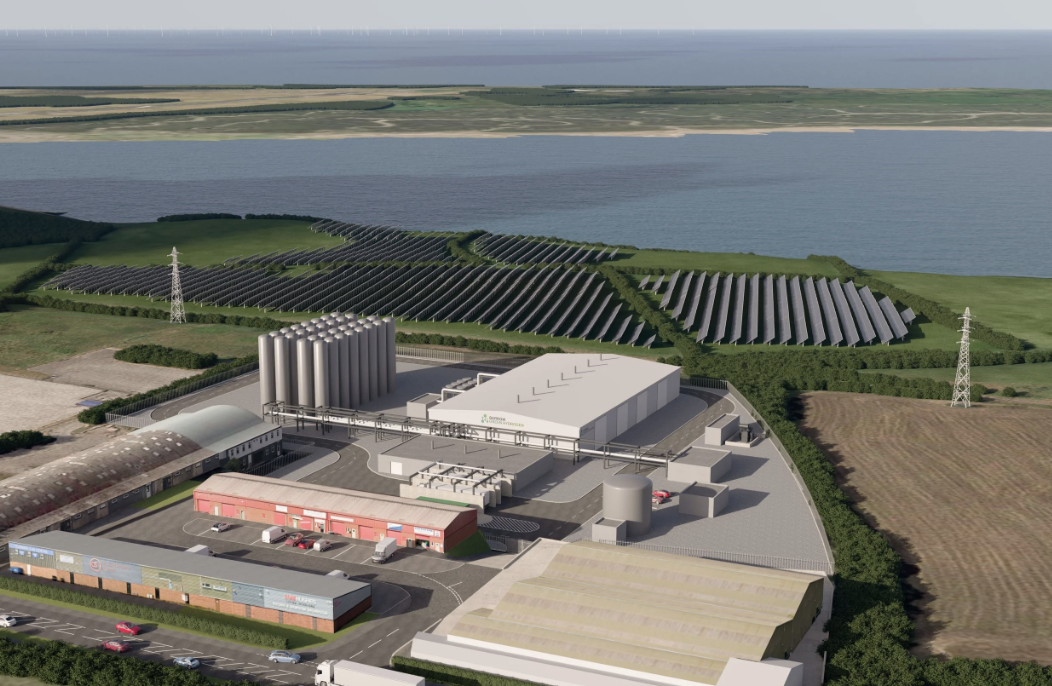
CGI: Barrow Green Hydrogen
Pioneer Park – A planned clean energy development in West Cumbria, including new nuclear power generation. The project will help diversify and strengthen the local economy beyond its historical reliance on the Sellafield site.
Barrow Green Hydrogen – In development to supply green hydrogen for paper manufacturing as a first step, this project will provide a low-carbon alternative for hard-to-decarbonise, energy-intensive industries, with potential to scale across the wider region.
Workington Port Clean Energy Hub – Strategically located with marine, rail, and road access, the port is well placed to support future clean energy developments, including proposals for sustainable aviation fuel (SAF) production.
Morecambe Net Zero – A cutting-edge carbon capture and storage (CCS) project that will repurpose existing gas field infrastructure to permanently store industrial CO₂, attracting global investment and creating high-skilled local jobs.
Mark Fryer, leader of Cumberland Council, said: “Clean power is not just about reducing emissions – it is about creating opportunities.
“From regenerating our towns to unlocking major developments like Pioneer Park, clean energy can attract investment, grow our economy, and deliver high-quality jobs. This report provides a strong foundation to turn those ambitions into action.”
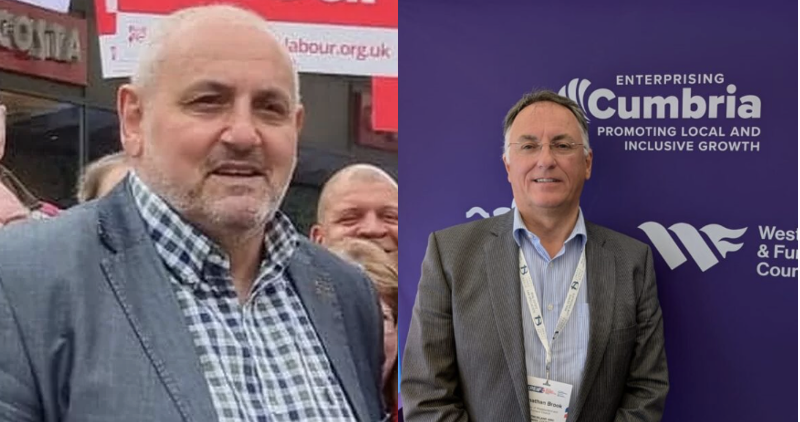
Mark Fryer (left) and Jonathan Brook
Jonathan Brook, leader of Westmorland and Furness Council, added: “The North West Clean Power Report is a crucial step toward delivering clean energy in harmony with our natural environment. In Westmorland and Furness, we’re committed to net zero initiatives that protect our landscapes, support local jobs, and bring lasting benefits to our communities.”
The report identifies significant opportunities for the private sector to drive the clean energy transition across power, hydrogen, CCUS, and grid infrastructure. The North West is positioned to become a national hub for green innovation, with benefits including lower energy costs, supply chain growth, and increased competitiveness.
Key investment opportunities include:
£2.6 billion in onshore clean power projects
£3.6 billion in power distribution networks
£12 billion in offshore wind in the Irish Sea
£2.5 billion in nuclear R&D
David Beeby, chair of the Cumbria Economic Growth Board, said: “The North West Clean Power Position Paper supports Cumbria’s clean energy ambitions and aligns with our Going for Growth Strategy.
“With major opportunities like the energy hubs at Workington, Moorside and Barrow, it helps put our region at the heart of the UK’s net zero transition”.