

Elexon emphasises the importance of whole-system approach for Reformed National Pricing
Elexon is highlighting the need to adopt a whole-system, data-driven approach to Great Britain’s (GB) electricity market reform, so that consumers receive the best overall value in the long term.
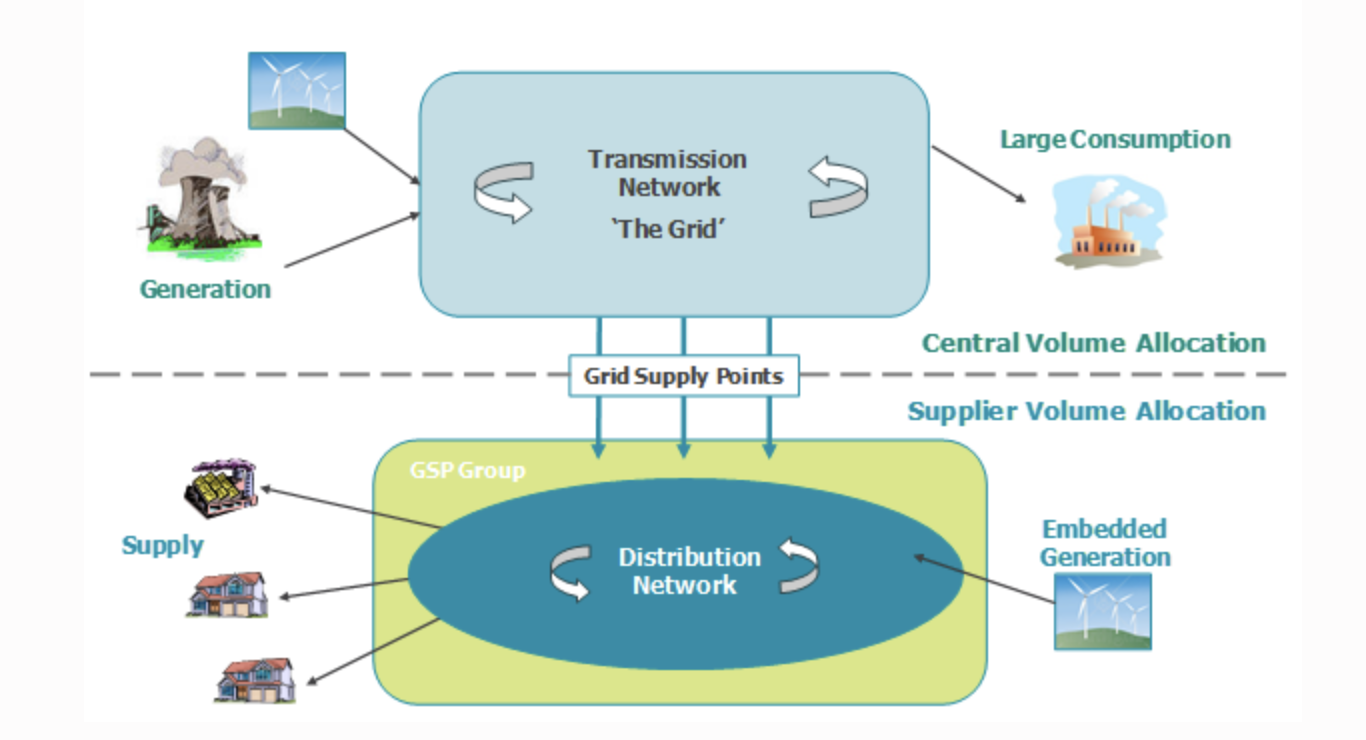
The electricity system is undergoing a fundamental transformation, with distribution-connected generation increasing from 15% in 2011 to around 36% and continues to grow rapidly.

Image: Elexon
This shift requires reforms that reflect a decentralised, flexible, and increasingly consumer-led system, rather than one focused primarily on the transmission network.
Reformed National Pricing is intended to address a set of increasingly complex challenges facing the GB electricity system.
These include:
Rising redispatch volumes and costs, largely driven by network congestion
Limited visibility of distributed and flexible assets, particularly those connected at distribution level
Misalignment between wholesale market activity and real-time system needs, creating inefficiencies
Distorted price signals, which may not fully reflect system constraints and can lead to sub-optimal outcomes.
Together, these challenges are contributing to increased system costs and complexity, as the grid becomes more decentralised and reliant on renewable generation.

Peter Stanley
The reforms set out proposals to improve the effectiveness of price signals, improve system efficiencies and support investment decisions while keeping a single national wholesale pricing model.
Peter Stanley, Chief Executive of Elexon, said:
“Reformed national pricing must reflect the reality of a decentralised energy system. A whole-system approach – underpinned by better data, coordination, and forecasting – will be critical to delivering secure, affordable, and low-carbon electricity for consumers.
“Elexon welcomes the opportunity to collaborate with NESO on the proposals in their Reformed National Pricing Call for Input. We are committed to helping NESO, Government and Ofgem develop the reform package.
“Together we must deliver changes that better reflect the true cost of producing and delivering electricity in different locations and times across Great Britain’s wholesale market.”
Elexon emphasises that future market arrangements will need to move beyond a transmission-centric view. With growing volumes of distributed energy resources and consumer-led flexibility – such as electric vehicles, heat pumps, and smart technologies – effective reform will increasingly depend on integrating both transmission and distribution systems.
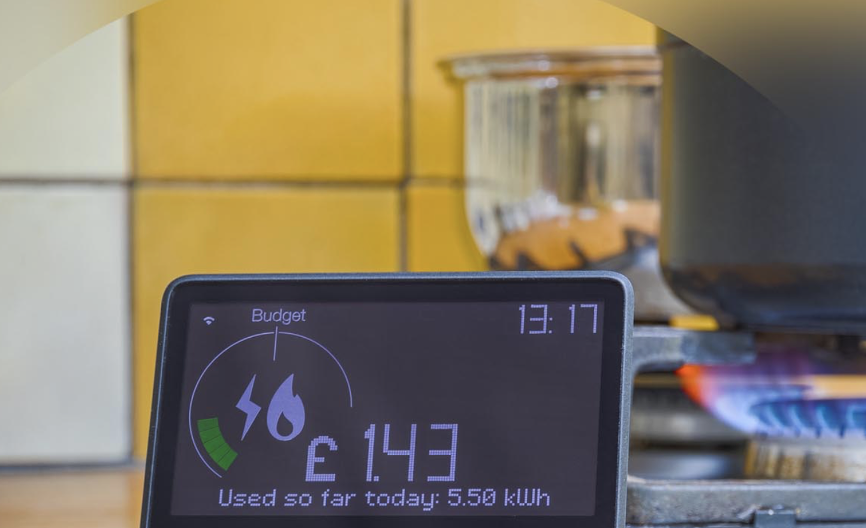
Elexon have accepted more than one million meters into the Market-wide Half-Hourly Settlement (MHHS) arrangements. Image: Elexon.
Elexon notes the importance of strengthening coordination between NESO and Distribution System Operators (DSOs) as part of market reforms.
Some proposals, such as lowering mandatory participation thresholds in the Balancing Mechanism, could introduce additional complexity for smaller and distribution-connected assets, and may have implications for local flexibility markets if not carefully designed.
More reform ahead for the balancing mechanism Image: Elexon
Instead, other mechanisms could be utilised, such as clear primacy frameworks between NESO and DSOs, enhanced data sharing and visibility across the system, and greater use of DSO-delivered operational services.
It’s essential that reforms remain problem-led and proportionate, focused on addressing the root causes of system challenges – particularly network congestion and coordination gaps – rather than increasing compliance
Elexon highlights the opportunity to leverage half-hourly settlement data and improved forecasting to deliver system visibility more efficiently than control-heavy mechanisms.
A data-driven approach, combined with stronger system coordination, would unlock consumer-led flexibility, reduce reliance on costly redispatch actions and support long-term system efficiency and resilience.