

Go ahead for new Scottish hydrogen pipeline
A new £164 million hydrogen pipeline between Scotland and England has been given the go ahead.
The move is considered a significant breakthrough now Ofgem has committed the final £67 million of funding to deliver the project.
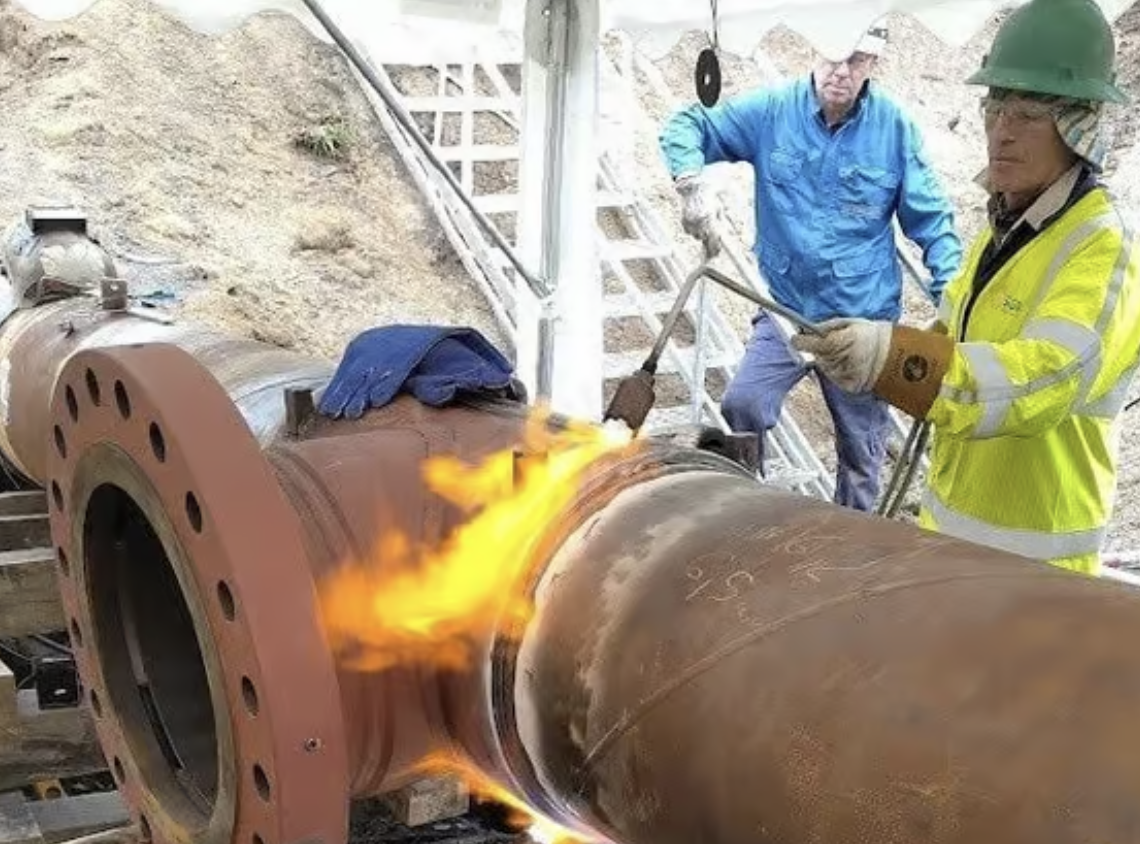
The funding is on top of £56m confirmed in June and brings the total investment to £164m.
It means Scotland will play a leading role in the development of a national core hydrogen network in proposals put forward by National Gas, the owners and operators of Britain’s national gas network.
The energy regulator Ofgem has now approved additional funding including the £67m for the "vital" scheme in Scotland.
Linking St Fergus to Teesside and further afield, one project is set to connect Scottish hydrogen production to the industrial cluster at Grangemouth and further south.
There is potential for significant green hydrogen production in Scotland, including the Kintore Hydrogen production facility situated in Aberdeenshire.
The project could support the decarbonisation plans of industries located in the Central Belt of Scotland, which include Grangemouth and the lower regions to the Firth of Forth.
The projects are part of National Gas’s wider plan to build a national core hydrogen network by repurposing existing natural gas pipelines and building new pipelines where required.
Early analysis commissioned by National Gas indicates that a national core hydrogen network could support around 3,100 jobs at peak construction and deliver £300m in annual direct gross value added (GVA) to the economy.
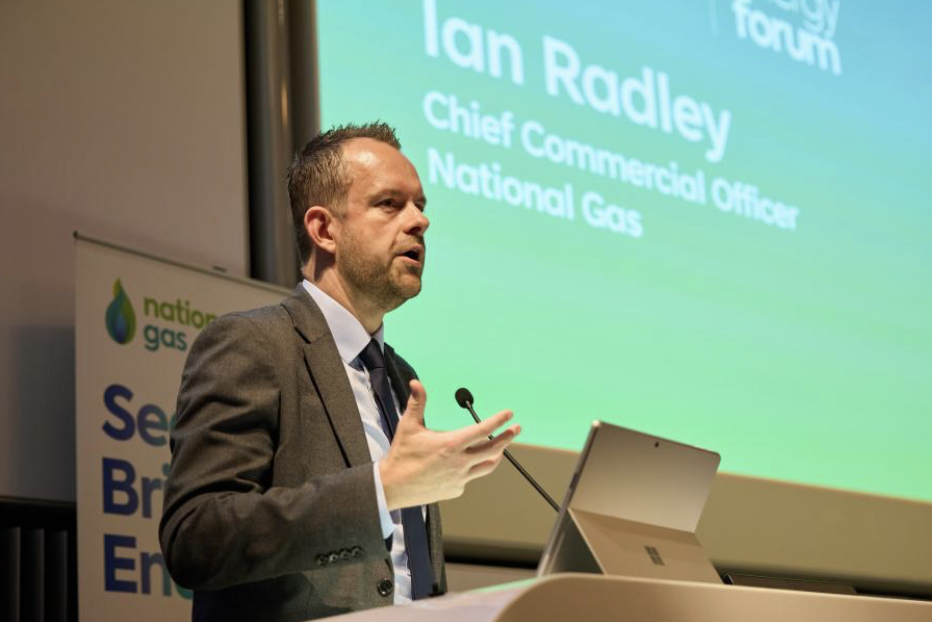
Ian Radley
Ian Radley, chief commercial officer at National Gas, said: “This is a hugely significant moment for Scotland’s economy and clean energy journey. With Ofgem’s support, we’re moving from discussion to delivery – taking significant strides towards building a national core hydrogen network, with Scotland at the helm.”
“These projects will unlock significant investment, create a critical pathway for hard-to-electrify heavy industries to decarbonise, and safeguard jobs - all while advancing the Government’s clean energy ambitions and strengthening Scotland’s energy security.
“Hydrogen will sit alongside electrification as a vital part of a cleaner, more resilient energy system, and this funding shows that future becoming a reality”.