

Hinkley Point C takes another step forward as its second nuclear reactor arrives in Somerset
The twin nuclear power station at Hinkley Point C has taken delivery of its second nuclear reactor. The first arrived in 2023 and is already installed and welded in place on Unit 1 of the power station.
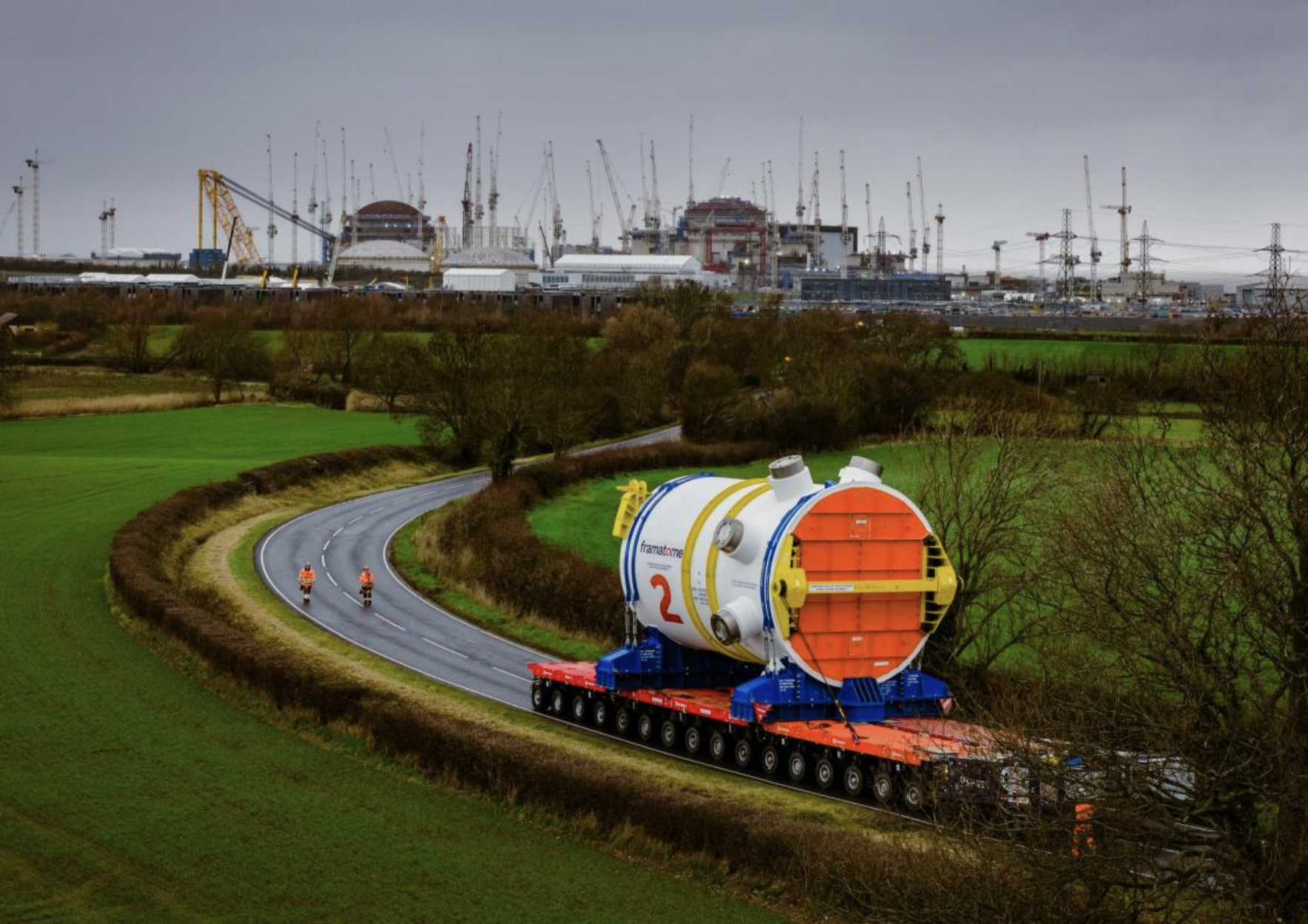
The delivery of the second “reactor pressure vessel” is a major moment for the identical Unit 2. The pressure vessel harnesses nuclear fission to make heat and steam for the world’s largest turbines. Each one will power around 3m homes around the clock. The high strength steel cylinder weighs in at 500-tonnes and is just 13-metres long.
Work on Unit 1 has moved onto the fitting out of pipes, cables and equipment, while Unit 2 is focussed on the completion of its buildings following the successful dome lift in July last year. Thanks to innovation and the experience gained from constructing Unit 1, teams are building Unit 2 20-30% faster, with prefabrication now approaching 60%.
It was shipped from the Framatome Saint Marcel factory in France to Avonmouth Docks in Bristol, before being transported by barge to Combwich Wharf on the River Parrett in Somerset. The company completed fabrication in late November last year after years of forging, welding, and inspection. The vessel is designed to operate under extreme pressure and temperature conditions for decades while maintaining structural integrity. It will sit at the centre of the reactor and house the nuclear core where fission takes place to generate heat and steam for electricity production.
The reactor pressure vessel contains the reactor core and supports critical internal structures. These components hold the fuel assemblies in place, guide control rods, and allow coolant to flow safely through the system. Because it cannot be replaced once the reactor is operating, its delivery is considered one of the most important steps in nuclear plant construction.
The delivery marks a critical step for the site, which is scheduled to begin operations in the early 2030s and play a central role in Britain’s low carbon energy strategy.
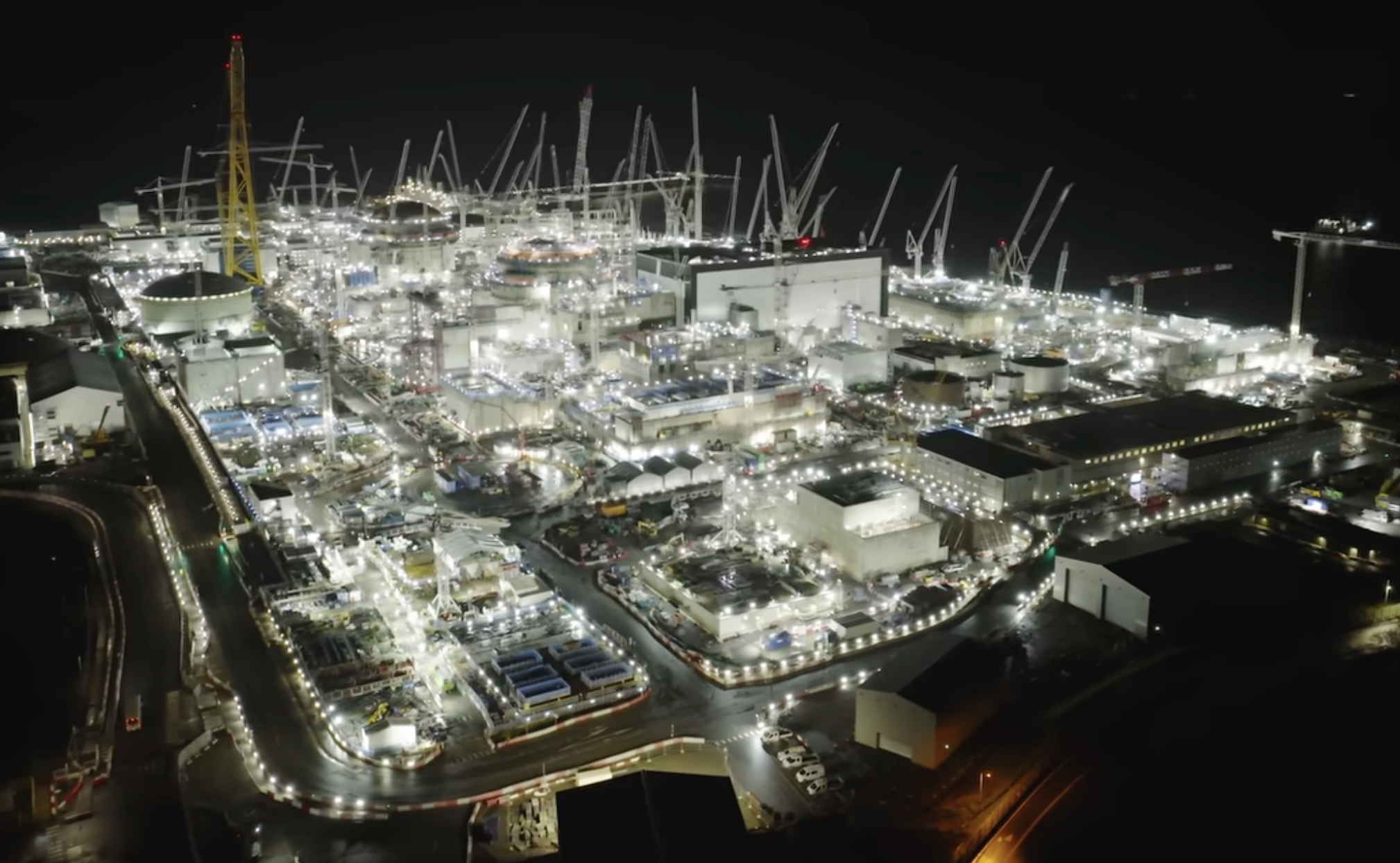
Hinckley Point C - a mega construction site
Construction of the first 1,630 megawatt EPR reactor began in December 2018, with Unit 2 starting a year later. The original target for Unit 1 operation was 2025, later revised to 2027. In January 2024, EDF said the base case now points to 2030. Project costs have also climbed sharply, rising from an early estimate of about $23 billion to as much as $46 billion.
Once operational, each reactor is expected to supply electricity to about three million homes continuously. Together, the twin reactors will provide enough carbon free power for six million homes and are designed to operate for up to 80 years. They will drive the world’s largest steam turbines built for a nuclear power station.
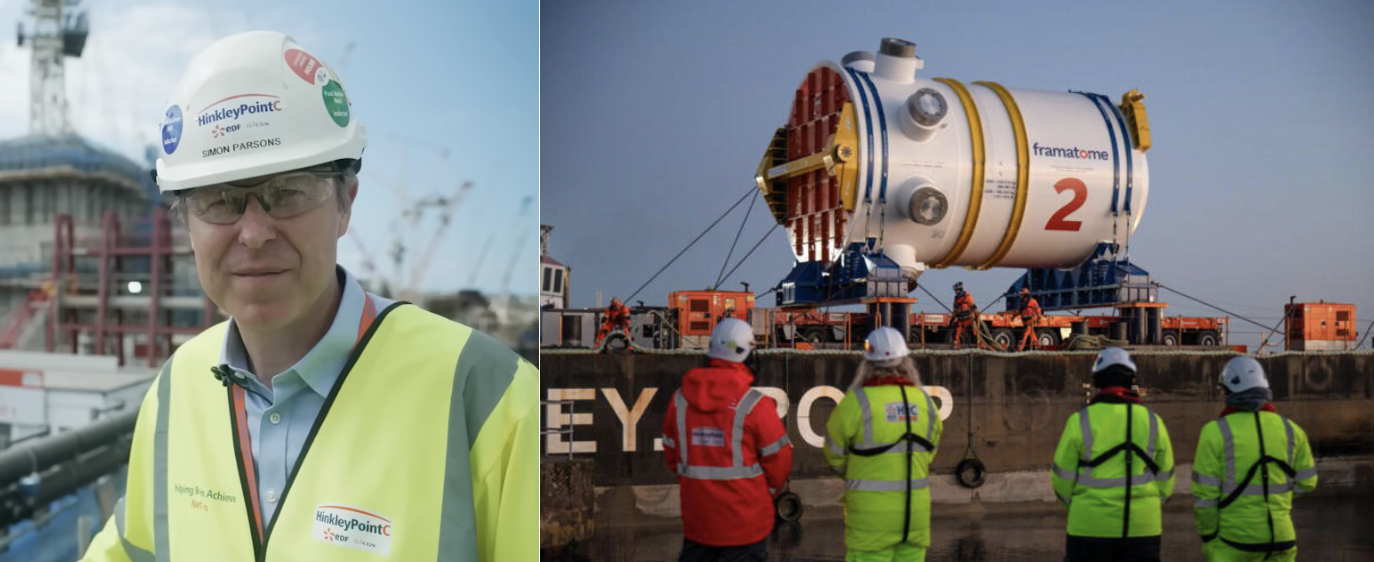
Simon Parsons, Delivery Director, Hinckley Point C
Nuclear power currently provides around 15 percent of the UK’s electricity from 6.5 gigawatts of capacity. Most existing reactors are due to retire by the end of the decade. Alongside Hinkley Point C, the government has approved Sizewell C and selected Rolls Royce SMR technology to help reach a 24 gigawatt nuclear target by 2050.
EDF described the arrival of the second reactor pressure vessel as a major construction moment.
Delivery Director Simon Parsons said, “This is an example of incredible innovation. Months of planning and exceptional teamwork has resulted in the successful delivery of this critical component to Hinkley Point C.”
Construction activity is expected to peak over the next 18 months, with about 15,000 workers on site as the project moves closer to completion.