

AI driving Amazon’s supply chain decarbonisation
Kara Hurst, CSO at Amazon, says AI transforming what's possible, helping to accelerate discovery, optimise systems and unlock solutions
Amazon matched all electricity consumed across its global operations with renewable energy for a third consecutive year.

Kara Hurst Image: Amazon
According to the company's most recent 2025 Sustainability Report, this was made possible through a carbon-free energy portfolio that now spans 712 projects with a combined capacity of 42GW.
The expansion in renewable energy capacity corresponds with Amazon's data centre growth. In 2025, Amazon added more data centre capacity than any other company to meet demand for its AWS and AI services.
AT A GLANCE: THE AMAZON SUSTAINABILITY REPORT
100% of the electricity consumed by Amazon was matched with renewable energy sources in 2025, for the third consecutive year
52,700 electric delivery vans deployed globally, up from 31,400 in 2024
38% decrease in carbon intensity since 2019 while revenue increased 156%
0.12 L/kWh global Water Use Effectiveness (WUE) for Amazon data centres, a 20% improvement from 2024
288m single-use plastic bags avoided by retrofitting automated packaging machines across North America, up from 134 million in 2024
Amazon installed AI tools in 820 facilities to detect leaks and mechanical problems. Engineers at the company created an AI system that can identify materials in unsellable or non-donatable items.
According to the company, this system could help improve recycling efficiency. The technology analyses material composition to support sorting processes.
"For Amazon's work in sustainability, we laid out our long-term vision starting back in 2015 when we first suggested net-zero goals in a planning meeting, which culminated in setting The Climate Pledge in 2019," says Kara Hurst..

Image: Amazon
"Sure enough, we've encountered tremendous change in each of the seven years since."
Kara adds that AI is "both transforming what's possible, accelerating discovery, optimising systems and unlocking solutions that weren't within reach before—yet also creating new demands for energy, water and infrastructure."
The company invested in X-energy in 2025, a developer of small modular reactors. The investment aims to add 5GW of new nuclear energy to the US grid by 2039.
This shows a move towards low-carbon energy sources beyond traditional renewable options. The nuclear capacity target represents a different approach to meeting energy needs.
Amazon's total emissions increased by 16% over the past year as the business grew. However, carbon intensity dropped by 38% compared to 2019, which means emissions are becoming less tied to growth rates.
The company expanded its global electric delivery van fleet by 68% in 2025. More than 52,700 electric vans delivered 2.4bn packages during the period.
Middle-mile logistics operations added more than 360 electric heavy goods vehicles. This represents an expansion of electric vehicle use beyond final delivery stages.
Amazon updated packaging machines to use custom-fit paper. According to the company, this avoided using 288m single-use plastic bags in North America.
As a result, 73% of shipments in the region arrived in materials that can be recycled at home. The packaging changes affect plastic waste volumes from deliveries.
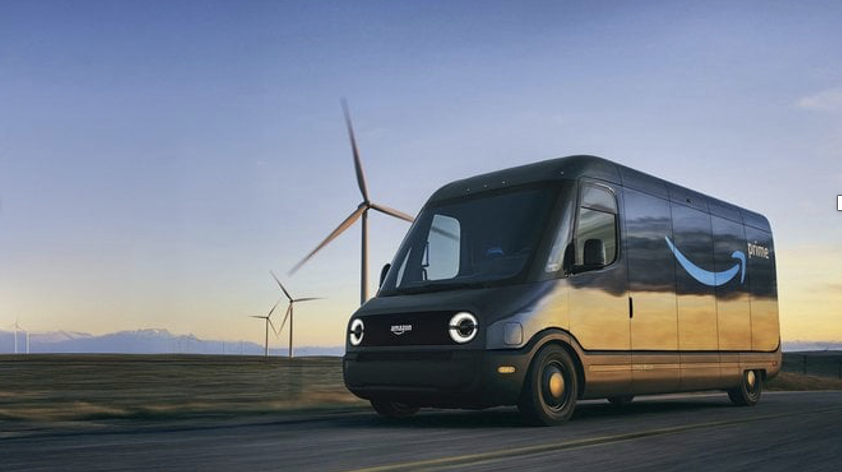
Amazon has rolled out EVs for deliveries across the world. Image: Amazon
Amazon is now 75% of the way to its goal of making global data centres water-positive by 2030. The company reached its 2027 water-positive goal for India two years early.
According to Amazon, it achieved 120% water positivity in its direct operations in India. The company used leak detection and on-site wastewater treatment to reach this target.
"As we recently shared, we've been inventing and investing in technology to increase our water usage efficiency across our data centre footprint for many years already, and today our data centres are seven times more water-efficient than the industry average," says Kara.
"We also have more buildings than any other cloud provider using reclaimed water, and we're investing in water replenishment projects around the world that have helped us get 75% of the way toward our goal to be water positive by 2030."
Kara notes that "these things don't happen overnight, but I'm proud of where we are and we're pushing to go faster."

Stefan Van Der Berg. Image: Amazon
Stefan Van Der Berg, Head of Solutions Architecture — Energy, Industrials & Semiconductors UKIR, Amazon Web Services will be contributing to a discussion on the role of AI in a decarbonising energy system at GRID-UK at Excel, London on 1 October together with other thought leaders from the tech world, including Rich Hampshire of CGI, Camillia Winlo of Talan and Steven Steer from Zuhlke. Join the conversation. Admission is free, subject to advanced registration. Sign up here.