

Innovation is key, says DESNZ underground cable report
The Department for Energy Security and Net Zero (DESNZ) has released a new study, produced by Ramboll, looking at costs and innovation relating to undergrounding transmission cables – vital to delivering the grid infrastructure required to support the UK’s clean energy transition.
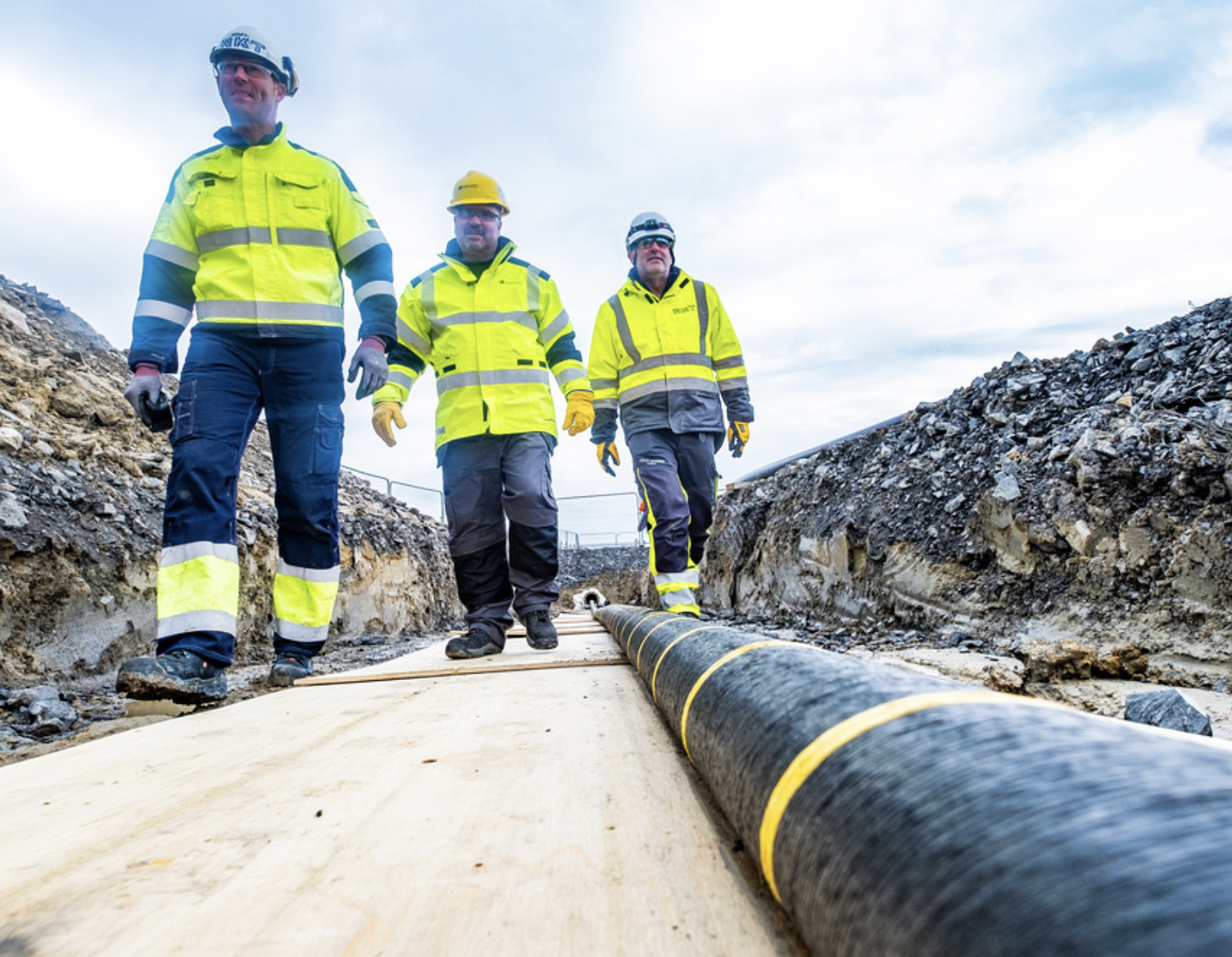
Image: SSEN
Ramboll was appointed by DESNZ to undertake the study to identify if there is potential for cost reduction in undergrounding transmission lines over long distances of 20km and 50km by using innovative methods, compared to traditional burial in a trench using the ‘cut-and-cover’ method.
The study found significant opportunities to reduce the cost of undergrounding electricity transmission infrastructure through innovative methods.
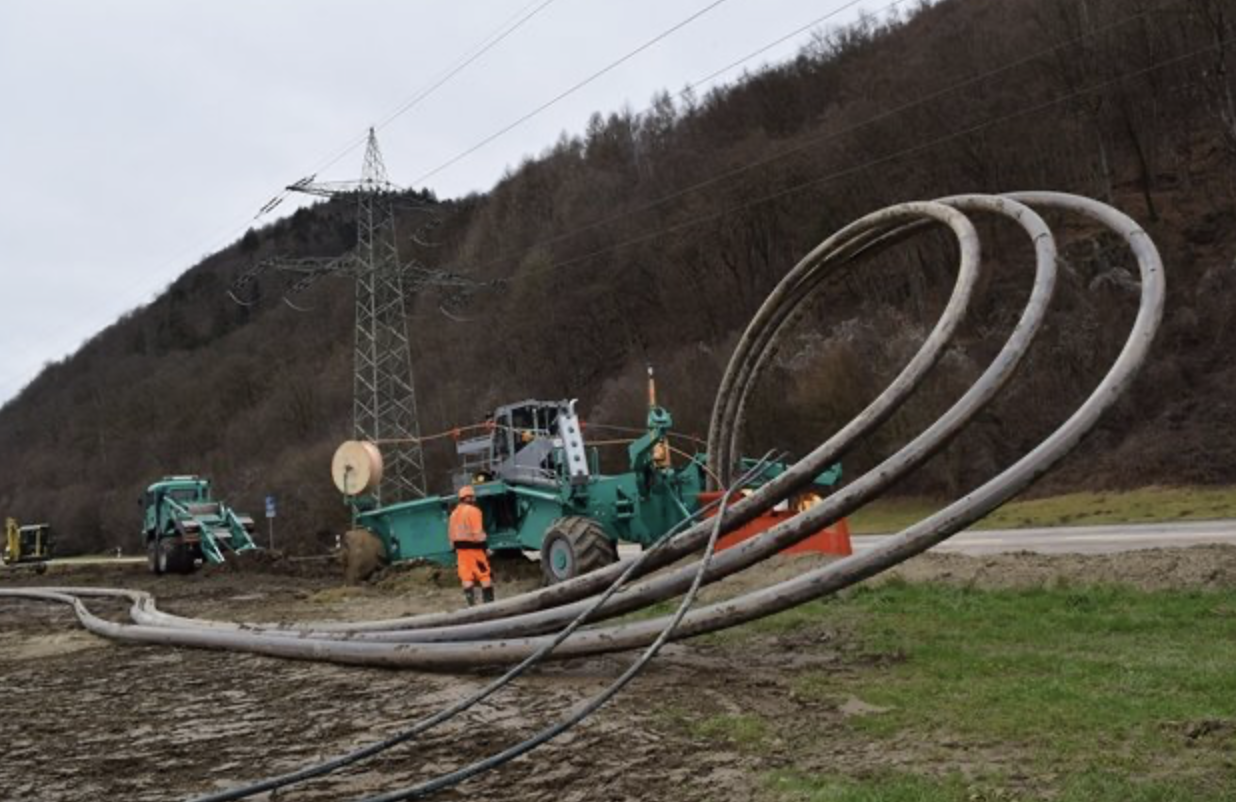
Cable Ploughing Image Foeck.com
In particular, cable ploughing could reduce the overall cost of underground cable projects by between 20 and 40% compared with traditional cut-and-cover methods, depending on project-specific factors. The civil engineering element alone could see cost reductions of up to 66 to 72%.
If applied to the Norwich to Tilbury Great Grid Upgrade (presently undergoing planning assessment as a Nationally Significant Infrastructure Project) to build a new 400 kilovolt (kV) electricity transmission connection for some 180 kilometres from the Norwich Main substation via Bramford substation, a new East Anglia Connection Node (EACN) Substation and a new Tilbury North Substation, the cost savings and environmental benefits could be significant.
In the UK, sustained investment in new electricity infrastructure is required over the next five years to support the transition to net zero, ensure security of supply and accommodate rapid growth in renewable generation.
To date, the primary technology used for high-voltage transmission has been overhead lines which currently make up the majority of the existing GB transmission infrastructure. Underground HVDC lines are 4.5 times more expensive than overhead alternatives, primarily due to trenching, cable technology and restoration requirements.
In a statement Ramboll said: “Delivering the grid infrastructure required to support the UK’s clean energy transition is one of the biggest infrastructure challenges of the next decade.
“As we accelerate the connection of renewable energy and increase electricity demand, it is critical that we explore every opportunity to deliver infrastructure more efficiently, affordably and sustainably.
Following our appointment by the UK Government to undertake this study, our analysis shows there are significant opportunities to reduce the cost of undergrounding electricity transmission infrastructure through innovation and alternative construction methods.”
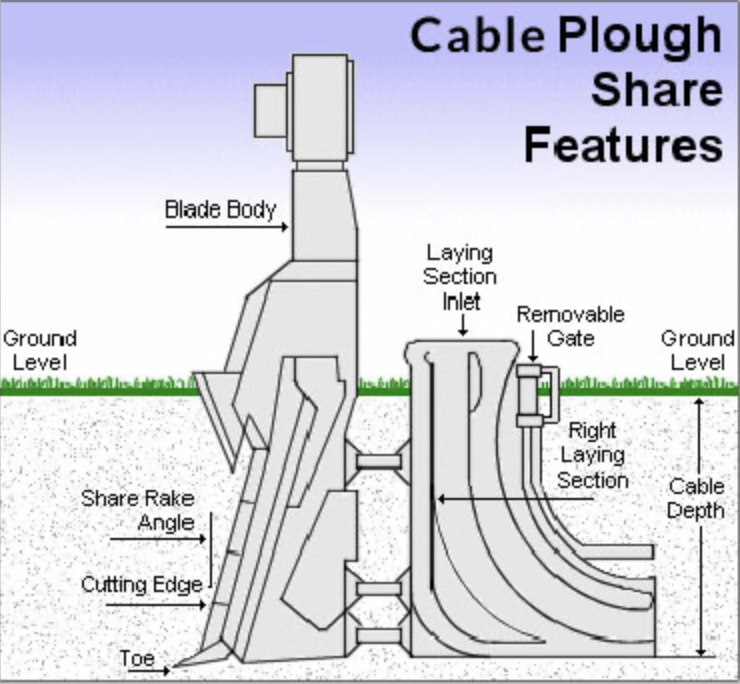
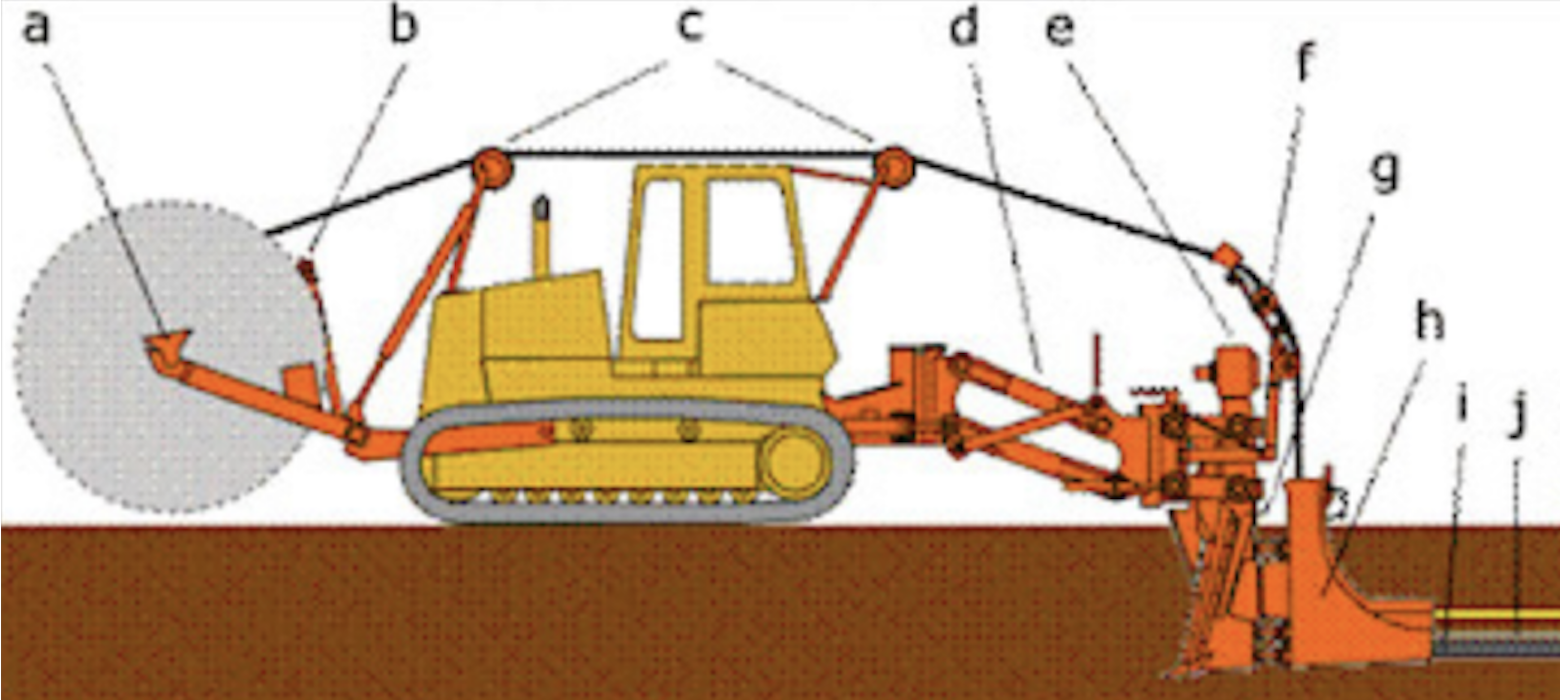
Anatomy of cable ploughing equipment - a) Drum mounting b) Drum brake c) Guide roller d) Lifting mechanism e) Vibrator f) Roller quadrant g) Cable Plough share h) Cable-laying section i) Cable or duct j) Screening conductor. Images: HMC Plant Services
While cable materials remain a significant proportion of overall project costs, Ramboll said the research provides important evidence to help policymakers, network operators and industry make more informed decisions about when and how undergrounding can be delivered.
The consultancy added: “Looking ahead, further innovation, including new cable technologies such as graphene-enhanced conductors and advances in converter station design, has the potential to drive further efficiencies.
"The scale of investment required in our electricity networks means we must challenge traditional approaches and embrace innovation. This study demonstrates that undergrounding transmission infrastructure can be delivered more cost-effectively, supporting the development of a resilient energy system for the future.”