

Lidl planning to be first UK supermarket to sell ‘plug‑and‑play’ solar panels
Lidl is developing plans to sell plug‑in solar panels as the government confirms they are working with the retailer so the cheap energy source can hit UK shops "within months".
The UK government has announced that plug‑in solar panels will be available in shops marking a new step in making renewable energy more accessible to households.
The panels are small, low-cost units that can be connected directly to a home’s mains socket, allowing households to generate electricity without specialist installation.
A number of retailers, including Lidl, alongside manufacturers such as EcoFlow are reported to be working with the government and distributors to bring the technology to the UK market.
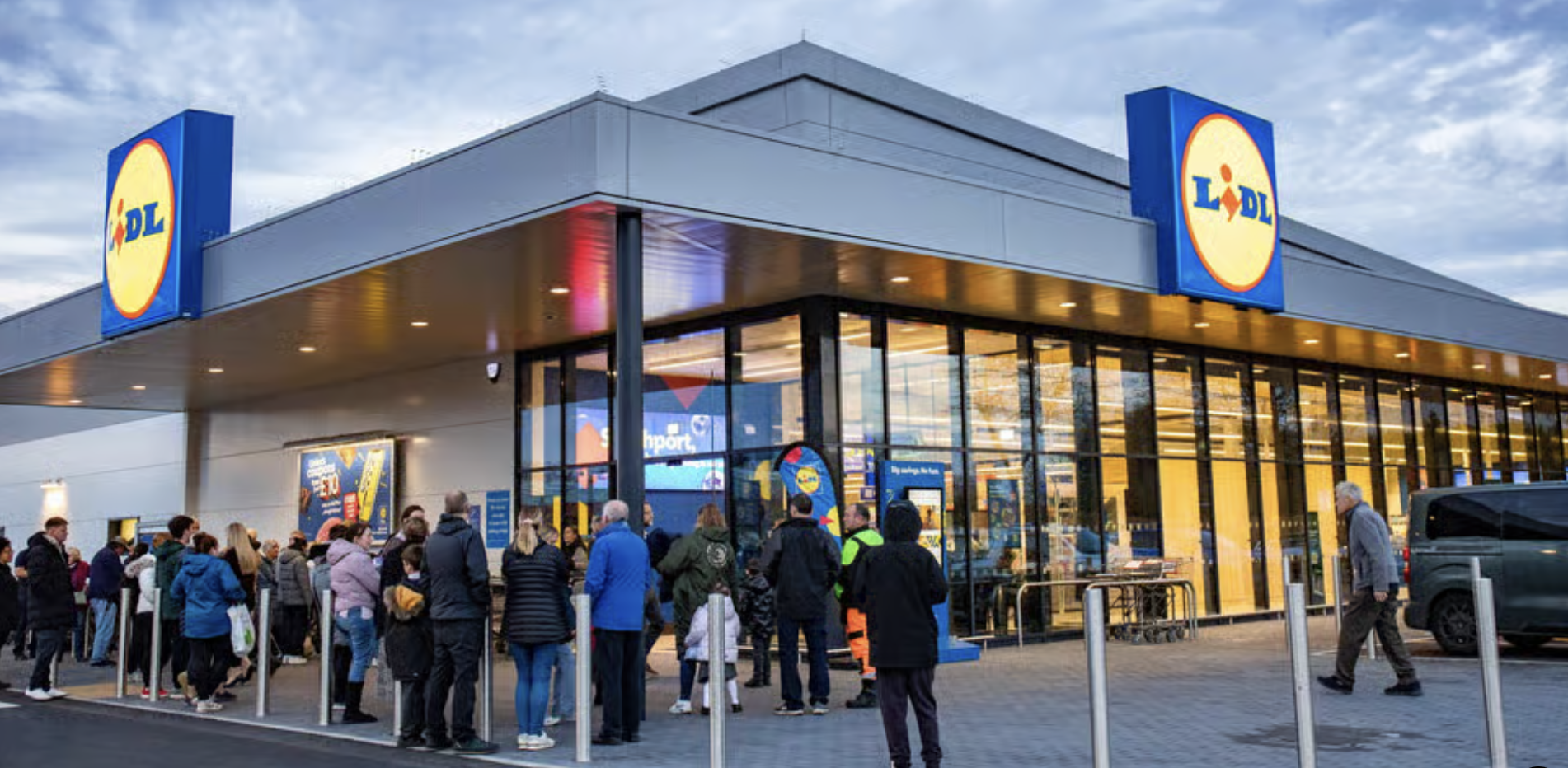
Lidl Southport (Image: Liverpool World)
The Department for Energy Security and Net Zero said plug‑in solar panels will be in UK shops “within months” as part of its wider clean energy strategy.
This comes after it was widely reported the government announced they were legalising the sale of plug-in solar panels, despite previous concerns over safety.
“Buying plug-in solar panels from the supermarket sounds like a great idea in principle, but it’s not like picking up a pint of milk or a tin of beans. There will assuredly be energy-saving costs for thousands of people, but we should always be aware of the risks”, said Stuart Patience, director and head of energy solutions at built environment consultancy, Hollis.
He added:
“Plug-in solar panels could introduce combustible materials, new ignition sources and additional loading to balconies and external surfaces. In higher-risk residential buildings, particularly those already facing cladding or remediation issues, this is a major unresolved problem that could cause serious structural and fire safety issues”.

Stuart Patience (left) and Ben Standing
Officials said the move is intended to help households cut energy bills and reduce reliance on volatile global fossil fuel markets. Ben Standing, a partner in planning and environment at law firm Browne Jacobson agrees:
“The policy to roll-out plug-in solar panels… is an innovative low-cost alternative to expensive retrofitting, while helping to reduce our country’s reliance on fossil fuels”.
Energy Secretary Ed Miliband said: “Whether through solar panels fitted as standard on new homes or making it possible for people to purchase plug‑in solar in shops, we are determined to roll out clean power so we can give our country energy sovereignty.”
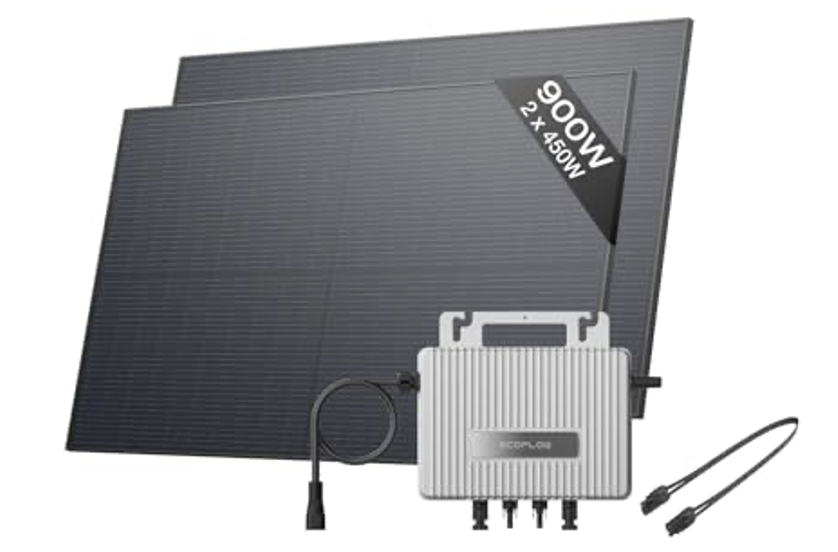
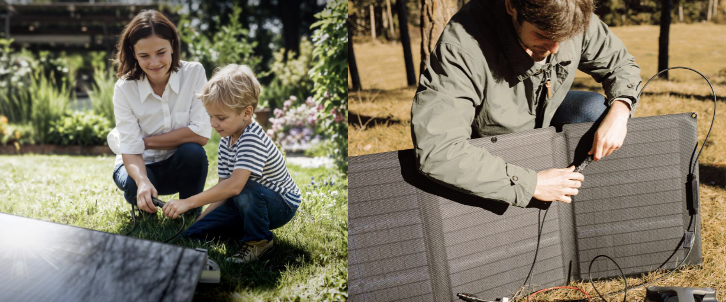
A typical EcoFlow flexible plug-in package available online at around £500 consisting of 800w micro inverter, 2 × 450w pv solar panels, smart grid-feed inverter with Wi-Fi & App Control for balcony, garden, roof & vertical walls. Below: Eco Flow systems are simple to fit and easy to use. Images: EcoFlow
In a statement, Georgina Hall, corporate affairs director at Lidl GB, said:
“At Lidl GB, we are committed to making sustainable living affordable for everyone and we welcome the government’s move to modernise regulations in the UK. Updating the regulatory landscape for this ‘plug‑and‑play’ technology is a positive step towards empowering British households to manage their energy costs and support the nation’s net‑zero ambitions.”
The comment underscores Lidl’s interest in bringing accessible renewable technology to mainstream consumers, although no launch date or pricing has been confirmed.
The plug‑in solar initiative is part of a wider government effort, including the Future Homes Standard, which requires the all new homes in England to be built with solar panels and low-carbon heating systems such as heat pumps.
Ministers have linked these measures to improving energy security amid global pressures.
A government spokesperson said that household access to easy-to-use solar products at shops could complement broader clean energy goals and provide families with a way to reduce electricity drawn from the grid, helping lower bills and carbon emissions.