

Micro moves create the energy for community empowerment
Community energy is moving from policy periphery to practical reality as more localities start to understand how they can mitigate their energy costs by moving from being customers to suppliers with the help of public subsidies.
The main reason for the uptake of new opportunities has been the creation of the Great British Community Energy Fund (GBEF).
The GBEF builds on the work of Community Energy Fund which was instrumental helping to kickstart local energy projects including wind farms and rooftop solar on community buildings, as well as battery storage, heat networks, electric vehicle charging points, and fuel poverty alleviation schemes.
A pot of £5m is available to town and parish councils, community organisations, sports teams, charities and faith groups across England – helping to generate clean, home-grown energy which local people can benefit from.
That has been supplemented by the Local Power Plan, announced in February backed by funding of up to £1 billion, to help support locally owned clean energy generation projects such as solar on community buildings like libraries, leisure centres and miners’ welfare clubs.
Coupled with the P441 regulatory reform to the UK’s Balancing & Settlement Code currently being reviewed by Elexon on behalf of Ofgem, the process for setting up local energy markets will become easier to navigate.
Now more communities across the UK can aspire to own their own clean energy projects, building community wealth and power through the government’s mission to take back control of the country’s energy and make people better off.
An example of the growing interest in developing community energy solutions can be seen in the market town of Settle in the Yorkshire Dales.
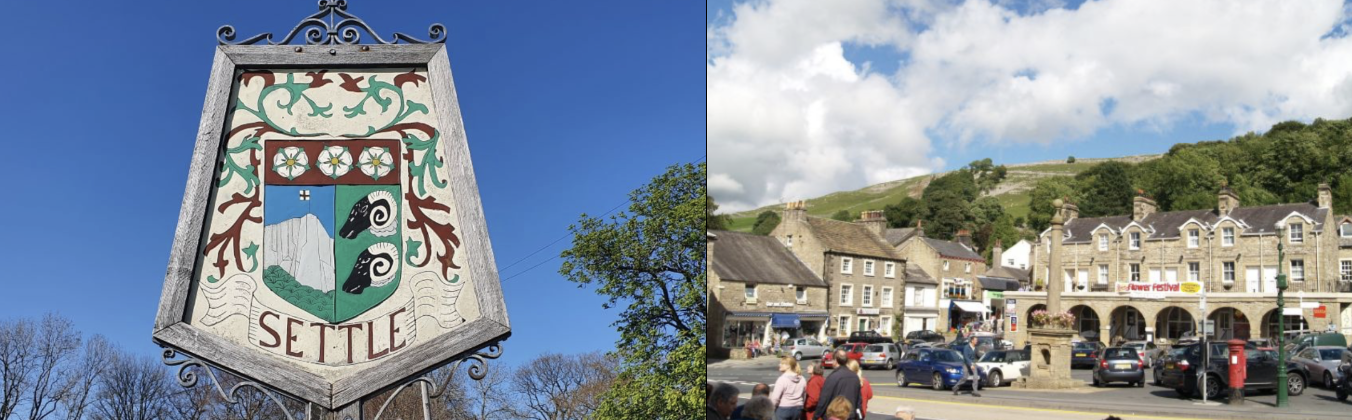
Settle residents have launched a new energy club with the aim of keeping power in local hands and challenging the grip of the big energy companies.
Settle Energy Local Club (SELC) allows locally generated electricity to be used by nearby households and businesses, rather than being sold off cheaply to the grid and bought back at inflated prices.
“It’s a community project,” said former Craven College principal Robert Bellfield, who is the club’s founding chair. “Its real purpose is that people can start to think about using or consuming energy at the same time as local energy is being produced. It may help them to reduce their energy bills, but it also assists them to use local energy.”
The club already has its first business signed up as a producer and works by members buying the excess energy generated from the solar panels on top of entrepreneur Simon Robinson's businesses, Slow Sofa and Dalesbred, for a discounted pre-agreed price.
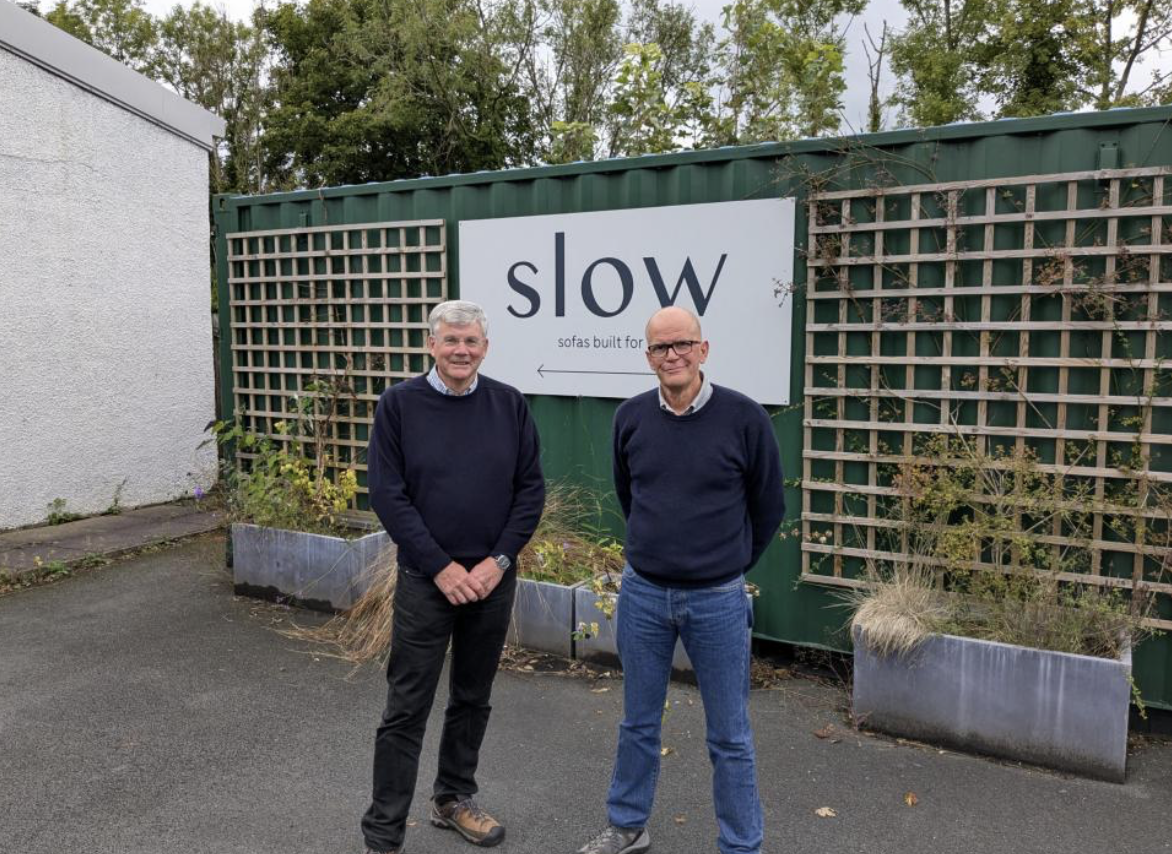
Robert Bellfield (left) and Simon Robinson
So, when a member flicks on a kettle and Mr Robinson's business is generating surplus energy, a smart meter in their home matches up the supply and demand.
“Dalesbred get a better price for their electricity than they would if they were selling it to an energy company,” said Mr Bellfield. “Even then, club members still get it cheaper than they would from their regular supplier – it’s a win-win.”
Mr Robinson, who received a grant from North Yorkshire County Council to install the solar array on the roof of his showroom and workshop, said the panels could produce about 17 to 20 kilowatts on a sunny day.
"I get exactly the same price for my electric that I would if I was selling it straight back into the grid," he said.
"And, yet, the local community is buying it at 14p [per unit] rather than 23p”, he added.
"I just think it's better for the local community to get that, rather than one of the big energy companies”.
For Mr Robinson, the scheme makes good business sense. “It reduces costs, it starts to pay for the panels, and it’s proving a major saving,” he said. “But I’m basically in it for sustainability rather than money”.
He believes the benefits extend beyond his own workshop.
“We also have a charge point outside for electric vehicles, which our customers can use if they’ve driven a long way to get here. They can’t believe it when I’m not going to charge them for it. It’s all part of our ethos.”
Setting up the club has required persistence. “The number of bodies involved in the generation and management of electricity is quite mind boggling,” said Mr Bellfield. “It has taken a lot of commitment from people and a lot of tenacity threading our way through the barriers.”
SELC Director Keith Waterson described the determination that drove the idea forward: “It came out of the Settle Action Climate Emergency group,” he said.
“We looked at all aspects of energy and explored the possibility of setting up this local energy club with a view to making energy that we can generate locally available to local people.”
Launched in August last year, the club is looking to expand within the area around Settle, Giggleswick and Langcliffe, bringing in more generation capacity.
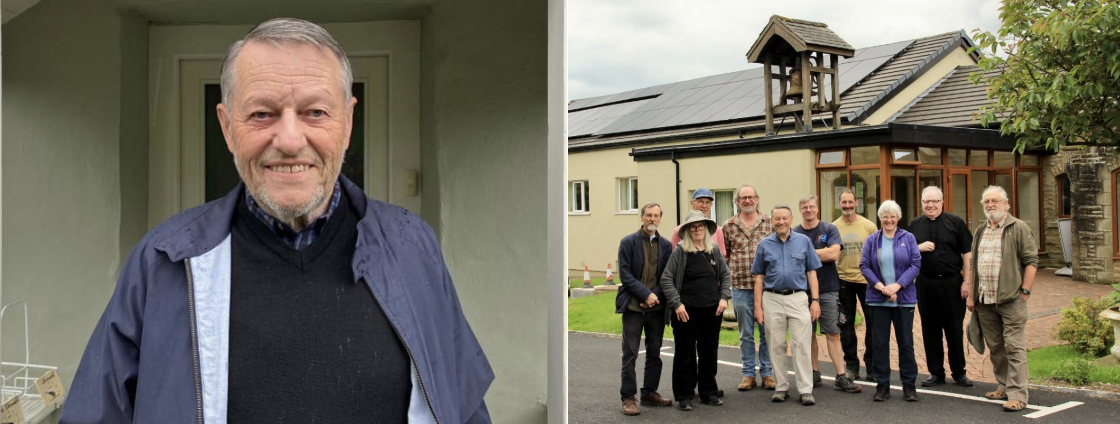
Paul Kelly and members of SELC (Images BBC and Instagram)
SELC secretary Paul Kelly said he hoped the club could "play our part in de-carbonising Settle and its locality”.
“We've been looking for other reasonably sized generators in the town, and one of the ones that are keen to help are the churches," he explained.
"The Catholic Church and Methodist Church in Settle have deliberately put a lot more solar panels on than they need for their own consumption in order they have surplus energy to export to the club."
Paul, a former GP and self-proclaimed 'completer finisher,' has been instrumental in navigating the challenges SELC has faced, from smart metering issues to coordinating local generation.
"If we can reduce our carbon footprint as a town, then we're doing something positive towards addressing climate change”, he said.