

National Express maps journey to Net Zero
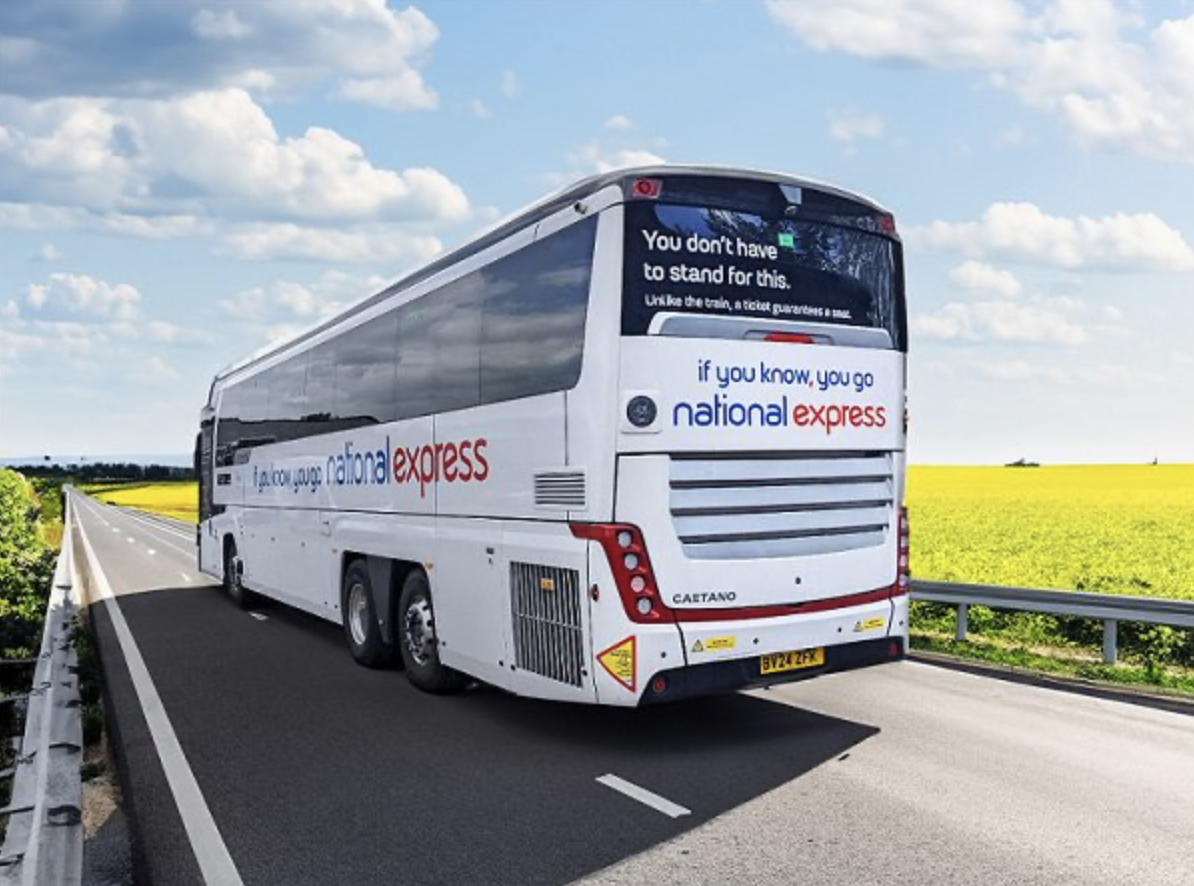
National Express Bus has entered a two-year agreement with energy supply platform SQE and electric fleet and battery storage specialist Zenobē to restructure its UK energy procurement model.
The new arrangement is designed to reduce cost exposure, manage market risk and cut emissions as the operator continues its transition to a zero-emission fleet.
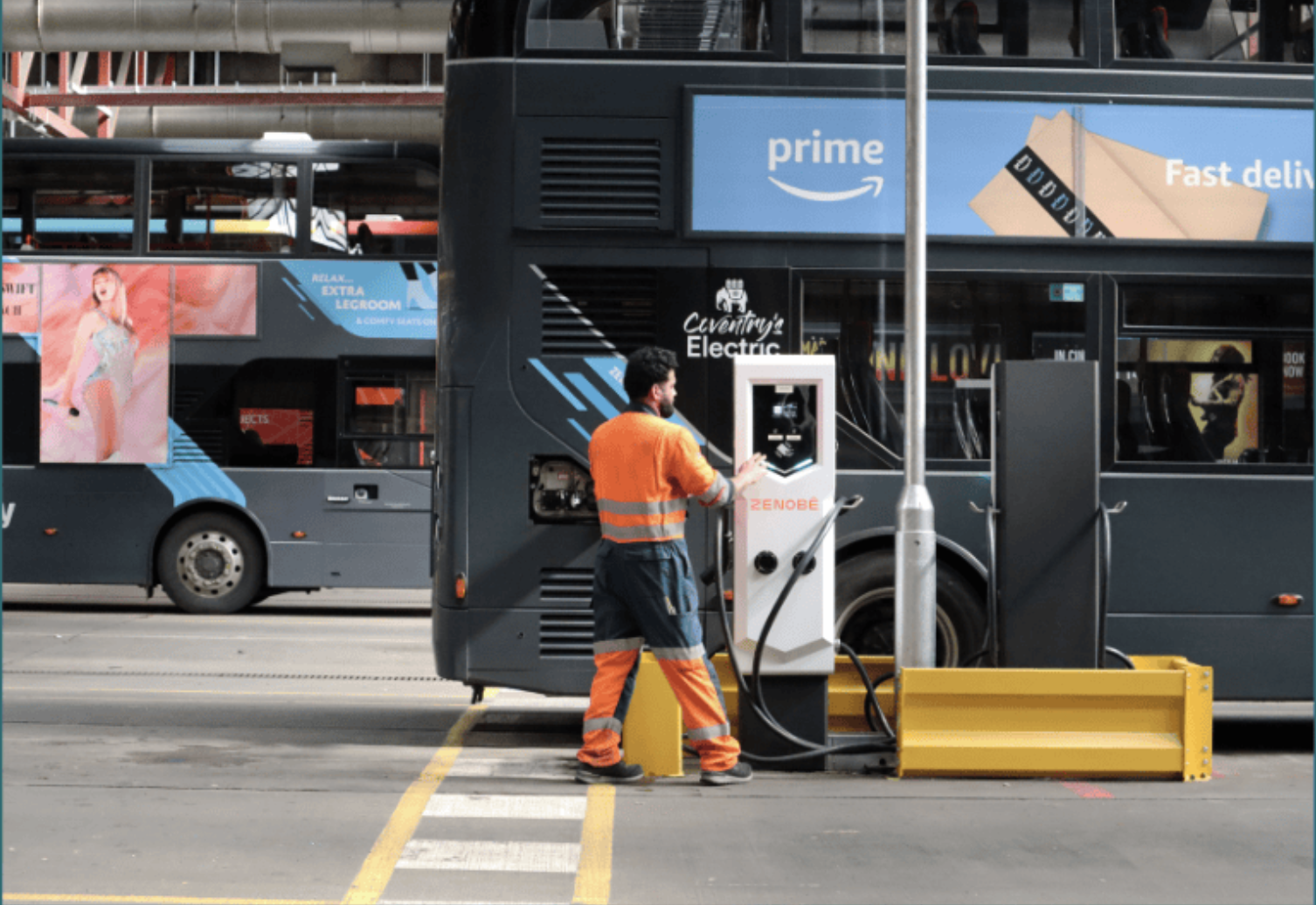
The collaboration introduces an end-to-end power management solution covering the company’s electric bus operations. Under the agreement, SQE’s procurement model enables Zenobē to manage 47GWh of renewable energy to support 467 electric buses operated by National Express Bus.
The new structure replaces a traditional fixed-price energy contract, which can expose large organisations to significant financial risk during periods of volatility in wholesale markets. Instead, National Express Bus will purchase electricity at live wholesale prices through Zenobē’s power procurement team using SQE’s platform, while retaining the option to sell unused energy back to the grid when demand is lower than forecast.
Together, SQE and Zenobē will manage purchasing, reconciliation and budget protection, aiming to shield the operator from market fluctuations while improving transparency over consumption and costs. The model is aligned to National Express Bus’s operational profile, where between 80% and 90% of energy use takes place overnight as vehicles return to depots for charging.
Roy Brewer, Head of Strategic Sourcing at Mobico Group, parent company of National Express Bus, said,
“As volatility in the energy market continues, we need to be smarter about how we buy energy. SQE and Zenobē’s approach is a breath of fresh air in corporate energy procurement.”

Roy Brewer
“We’re thrilled to be partnering with SQE – a market disruptor who genuinely understands our needs and has given us the most cost-effective route to energy procurement. Corporate energy procurement is historically complex, but its line-by-line, transparent invoicing – which gives us access to site-specific half-hourly data – has enabled us to truly understand, and report on, where and how we’re using energy.”
By aligning procurement with actual charging patterns, the companies state that energy can be purchased and reconciled more accurately against demand. The structure also allows excess electricity to be sold back to the grid, providing additional flexibility for a fleet whose consumption varies according to schedules and seasonal patterns.

Chris Bowden (left) and Al Wilson
Chris Bowden, founder and CEO of SQE, said:
“The UK’s power market is in the midst of a profound transformation – one which is redrawing the landscape for industrial and commercial energy users. There’s an urgent need for businesses to abandon a passive, analogue approach to energy consumption to establish a strategy that manages risk exposure and generates revenue – turning energy into a competitive advantage.”
“We’re proud to collaborate with Zenobē to help National Express Bus navigate today’s complex energy market and take greater control of its procurement strategy. This partnership shows how large transport operators can cut costs, manage risk and align energy procurement with sustainability goals – even with market volatility.”
Zenobē, which works with fleet operators on electrification and battery storage, will coordinate renewable power procurement under the arrangement. The agreement covers renewable electricity supply for National Express Bus’s expanding electric fleet and integrates purchasing with operational charging requirements.
Al Wilson, Power Procurement and Renewable Solutions Director at Zenobē, said: “Zenobē’s coordinated approach with SQE is market-leading in the transport sector and will protect the long-term financial viability of electric bus operations into the future.”
“With National Express Bus we are delivering renewable power for 467 electric buses, grounded in a unique new strategy utilising SQE’s innovative supply products and hourly markets, delivering significant savings when compared to more traditional approaches.”
The announcement comes as transport operators across the UK increase investment in electric fleets in line with national decarbonisation targets. Energy procurement has become a central consideration for operators seeking to manage both operational costs and exposure to wholesale price fluctuations.
National Express Bus’s revised model reflects a broader shift among large commercial energy users towards more active purchasing strategies, supported by data transparency and flexible contracting structures. The two-year agreement with SQE and Zenobē is intended to provide cost certainty while supporting the company’s stated ambition to achieve a zero-emission bus fleet.