

Northern Ireland firm pioneers wind farm blade recycling
One of Britain’s earliest wind farms has been fully recycled and reused, in a first that could herald the start of a new domestic sustainable energy recycling industry.
Scottish Power said an external review of the decommissioning of old turbines from its Hagshaw Hill wind farm in Scotland showed that less than 0.1 per cent had been sent to landfill.
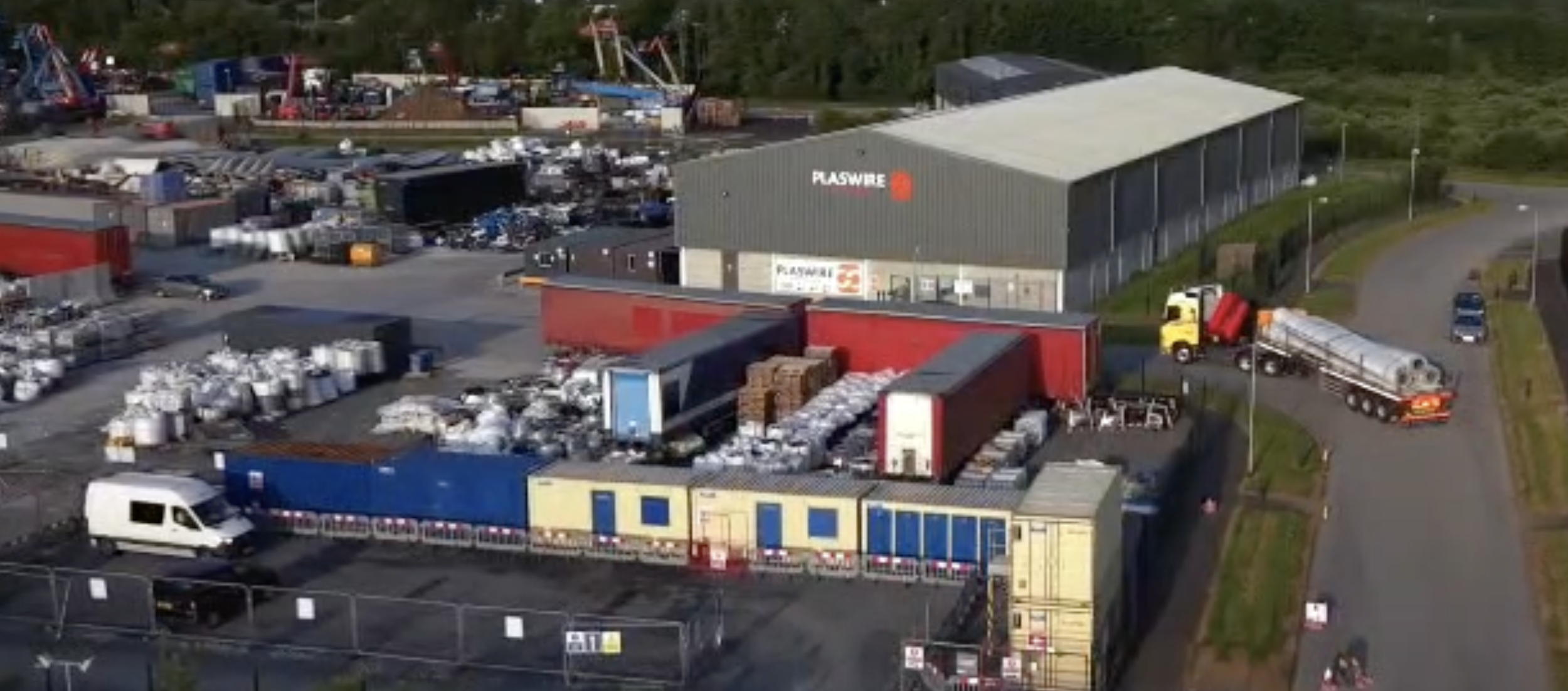
The breakthrough for the project came after Northern Ireland-based Plaswire pioneered ways of recycling old wind turbine blades, which have historically been hard to dispose of sustainably.

Andrew Billingsley
According to media reports, Plaswire’s boss Andrew Billingsley said the company was preparing to develop a second recycling facility in Scotland that could create dozens of new jobs, in anticipation of handling increasing volumes of blades as old wind farms come to the end of their life.
He observed:
"At present, there's somewhere in the region of 125,000 tonnes of blades across the world getting disposed of by one means or another, but very rarely is it done in a sustainable way."
Much of a wind turbine is made from steel that can be readily recycled, but blades pose more of a challenge as they are made from fibreglass. The European wind industry recently made a voluntary commitment not to send any blades to landfill.
The company turns the blades into a long-lasting reusable material that can be used as an alternative to timber, for fence posts and reusable transport pallets.
Billingsley believes it could even be used an alternative to precast concrete and timber.
"Typically, a tonne of virgin plastic needs about three tonnes of CO2 in the manufacturing.
"We're preventing the incineration of plastics, and burning plastics produces between 2.7 and 2.9 tonnes of CO2 for every tonne burned."
Britain is only now starting to grapple with the challenge of decommissioning wind turbines at scale as some of its first commercial sites reach the end of their life. In many cases the industry is seeking to “repower” the sites, replacing obsolete first-generation turbines with the latest models that are more powerful.
Hagshaw Hill in South Lanarkshire was Scotland’s first commercial windfarm when it started generating in 1995, comprising 26 turbines with a total capacity of 15.6 megawatts.
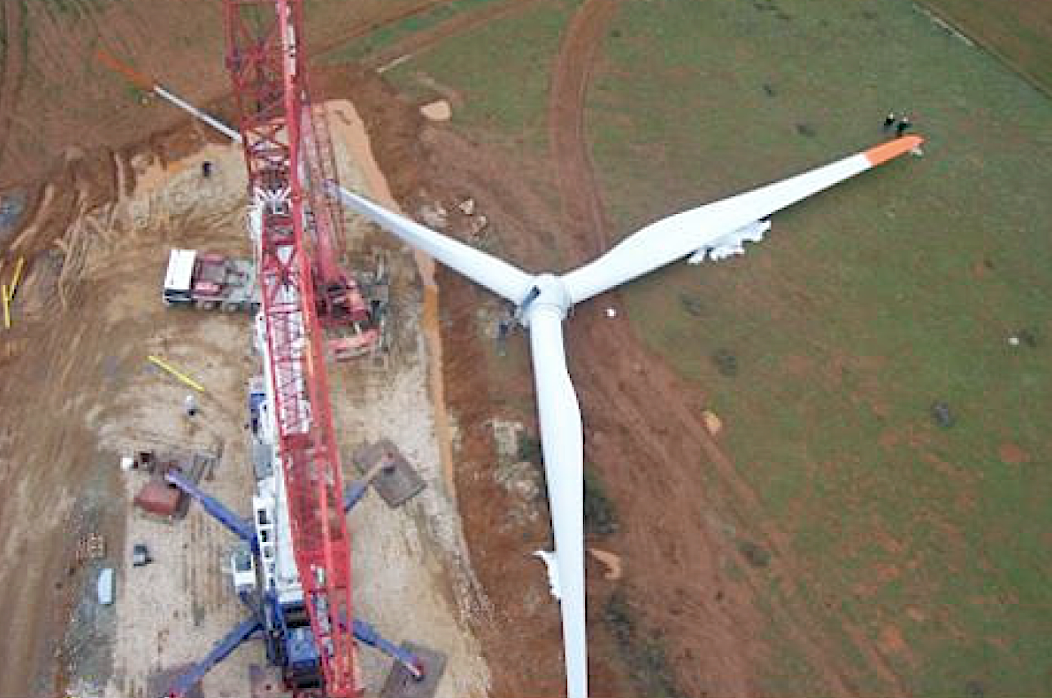
Image: MDPI for illustrative purposes only
ScottishPower removed these turbines in 2023 and has since replaced them with 14 bigger turbines capable of generating 80 megawatts in total, or enough electricity over a typical year to supply the equivalent of 57,000 homes.
The old blades sat in storage for a year and a half owing to the lack of recycling options before being sent to Plaswire’s new facility in Northern Ireland last year.
Billingsley said it had finished recycling all the blades earlier this year.
Plaswire cuts up the blades within a chamber that contains waste dust, then shreds them down to small pieces less than 1cm in size. These pieces are then processed at high temperature to blend them with recycled soft plastics, such as from food wrappers.
Costs have not been disclosed but are thought to have been relatively high for the first project. To cover its costs Plaswire is paid by the wind farm to take the blades and then also sells on the recycled materials.
It is reported Plaswire will turn over about £3 million this year and he expected this to grow rapidly.
Scottish Power is hoping to encourage more companies to enter the supply chain.

Gillian Noble and Mark Crouch
Gillian Noble, managing director of onshore origination and development at Scottish Power Renewables, said:
“I have got a gigawatt of turbines that are due to come down over the next ten years. I am looking for solutions to facilitate that happening. We want to invite competition because that ensures that we keep the cost as low as possible.”
Mott MacDonald, the consultancy that carried out the review for ScottishPower, calculated that 20.4 per cent of the components had been reused or retained as spare parts, and 79.5 per cent had been recycled, all of it in the UK.
Mark Crouch, head of decarbonisation at Mott MacDonald, said: “We have been able to evidence that the continued evolution of the wind energy sector maximises the value of resources, minimises carbon emissions and supports jobs in the local economy. The energy sector and companies in the supply chain can invest with confidence when they can see wind farms being approved for repowering.”
Friederike Andres, policy manager at wind industry body RenewableUK, added
“The wind industry is strongly committed to sustainability from design to decommissioning. This is underpinned by legislation to ensure that wind farms are decommissioned in an environmentally responsible way.
“Turbine blades, which are typically made from glass fibre-reinforced composites, used to be the most challenging element to recycle. However, this has advanced rapidly with ongoing research and innovation”.