

‘People’s Power’ projects to give more control over local energy
Communities across the country will be able to build and control their own clean energy supply that will help to cut bills, grow local wealth and tackle the climate crisis – with the rollout of People’s Power projects across the UK.
Local authorities and community energy groups across the UK will now be able to progress plans for their own clean power projects - from solar panels on local buildings to village-owned wind farms and hydro schemes in nearby rivers. This will help to put money back in the pockets of communities and allow them to join in UK-wide climate action, following the record temperatures reached this summer due to climate change.
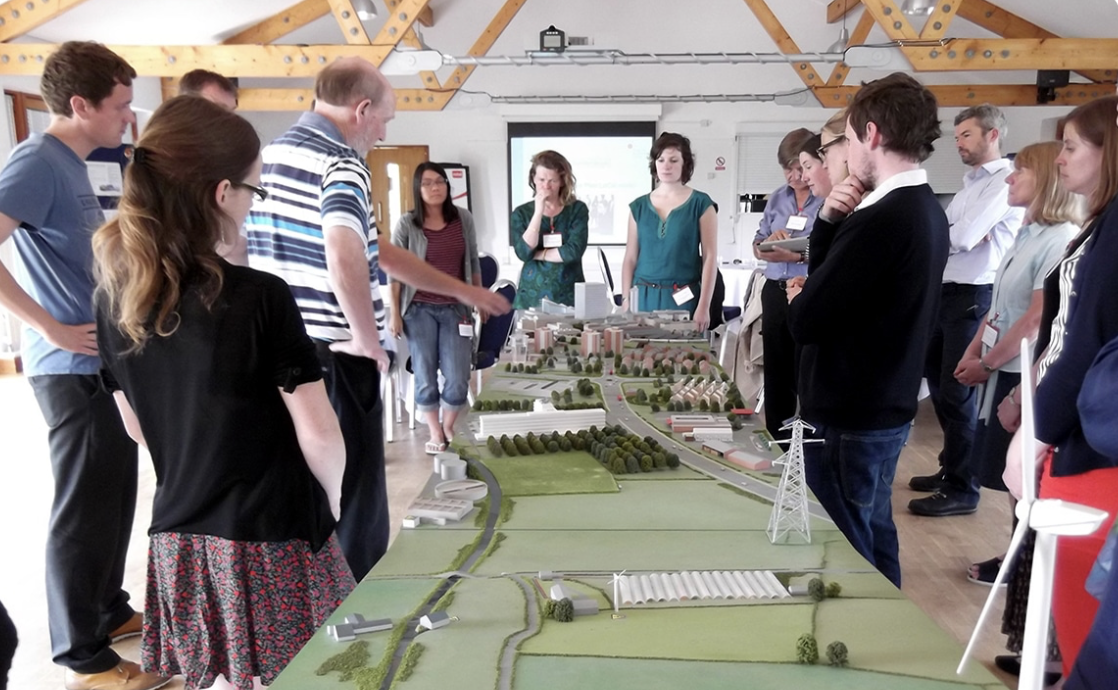
Great British Energy is launching £30 million funding to kick start a community power revolution – the first downpayment on up to £1 billion, announced earlier this year, with the aim to support over 1,000 local and community-led clean energy projects across the UK. These will be owned by community energy groups or local authorities, meaning local areas can reap the full benefits – from reduced bills for local services to ensuring profits from the clean power generated flow back into towns and villages, rather than just to energy companies.
After the heatwaves and extreme weather events seen this year, this funding will give communities a route to helping tackle climate change - empowering them to move away from fossil fuels with their own clean energy supply that will help cut emissions and protect their local area.
Prime Minister Andy Burnham said:
Whether it’s solar panels on a local library or a community-owned wind farm, we’re letting people decide what clean energy projects they want and making sure they feel the benefits of the clean energy transition in their pockets too.
Energy Secretary Miatta Fahnbulleh said:
Everyone deserves a stake in our energy future and through these local power projects, communities can reap the full benefits of clean energy – reducing emissions, cutting bills and reinvesting profits to benefit local areas, instead of big energy companies.
CEO of Great British Energy Dan McGrail said:
Great British Energy is continuing to put communities at the heart of the clean energy transition with the GBE Community Fund and Partnerships Grant. Our vision is that every community should have the chance to build and own its own renewable energy. These grants will give community organisations and local authorities the practical support they need to get clean energy projects off the ground - lowering bills, supporting jobs and putting the benefits from energy into local hands.
Alongside funding specific local power projects, the government will also set out further details this autumn on plans for community energy groups to be offered an ownership stake in renewable energy projects.
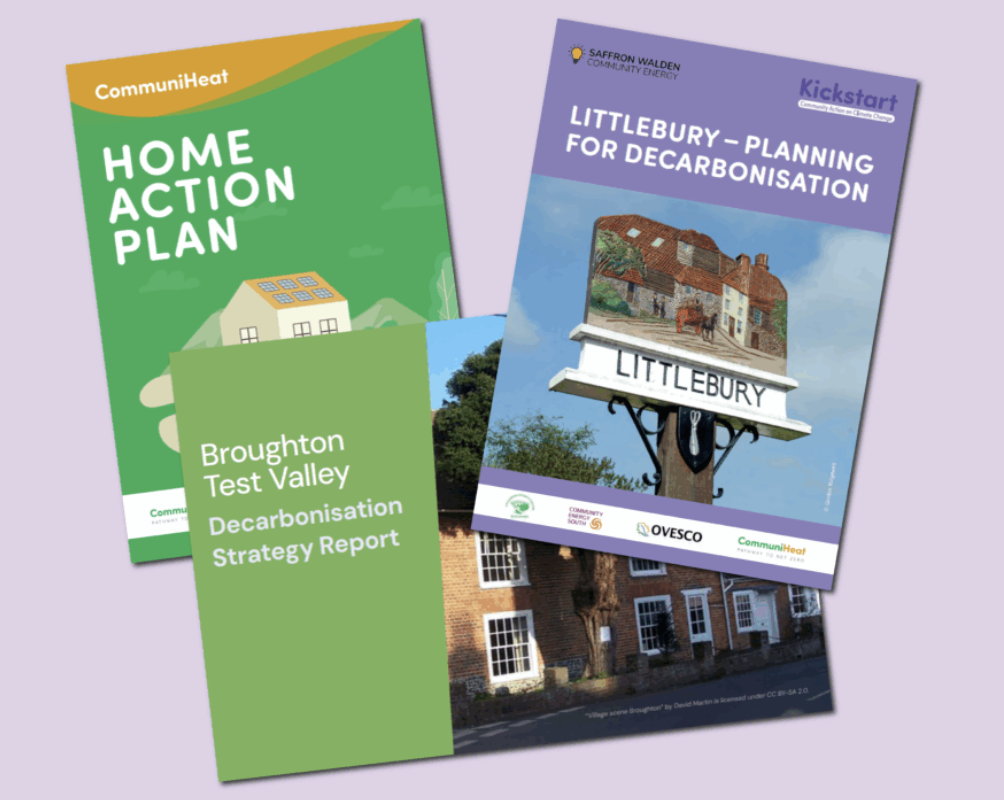
This aims to create partnerships between communities and developers that will see proceeds of clean power flow back into local areas. It will bring Britain in line with countries like Germany and Denmark, where this type of ownership set up is already widely used – allowing communities to benefit directly from local clean power.
It comes as a host of Great British Energy schemes come online, helping local services save on energy bills in towns and cities across England. Over 150 renewable projects have now switched-on for public buildings in England’s Mayoral Combined Authorities, with more to follow – which together could see up to £50 million in total energy bill savings reinvested in local services
Local ownership is already breathing new life into neighbourhoods across the country, reviving pubs, libraries and leisure centres. But for too long, community-run energy projects have been held back by a lack of funding, advice and government support.
The Great British Energy support includes:
· The £20 million Community Fund – offers grant funding to help community organisations across England, Wales and Northern Ireland to test, develop and build community-owned clean energy assets. Projects supported by this fund must demonstrate that the community will hold a defined legal and financial interest in the project, and that a defined share of project benefits will be retained for, or delivered to, the local community.
· The £5 million Partnerships Grant – a new scheme offering grant funding to help Local Authorities in England and community energy partners accelerate joint clean energy projects that will provide lasting local benefits.
· £1.8 million in Great British Energy funding for the Scottish Government to back community energy projects across Scotland, building on more than £10 million provided earlier this year. This will support Scotland’s existing community energy support schemes, under the Scottish Government’s CARES programme.
· Advice services – Great British Energy is also backing organisations that offer crucial advice to local groups on the development of community energy initiatives with up to £2.9 million support for advice services across England, Wales and Northern Ireland.
Great British Energy is also seeking information from investors to help size and scope its future products.
CEO of Community Energy England Dr Matt Vickers added:
Community Energy England welcomes the GBE Community Fund as the first step in the £1bn investment in community and local energy in the Local Power Plan. This will enable community enterprises across the country to deliver projects which will reduce bills, create a more resilient and cleaner energy system and most importantly keep the benefits of energy in the communities where it’s generated.
We’ve long advocated for the new Partnership Fund so councils and community enterprises can work together to transform places.

Rob Gilbert (left) and Dr Matt Vickers
GBE’s Supply Chain Director, Rob Gilbert will be speaking at GRID-UK on 1 October and Dr Matt Vickers will be presenting at the same event on 2 October. Hear them both. Attendance is free, subject to advanced registration. Sign up here.