

Prime Minister announces reforms to cut energy costs
The UK government has outlined plans for a new body to invest in Britain’s electricity grid.
It would invest in and compete for transmission connection projects alongside the three companies that currently own and manage the grid in Britain.

Prime minister Andy Burnham told party activists at the Labour conference in Liverpool that a new publicly owned company, to be called Great British Grid, will speed up connections to the grid, provide competition to privately owned competitors and cut the cost of development by avoiding the need to pay dividends to shareholders.
He is expected to put the proposals at the centre of a new strategy to bring UK energy costs in line with other nations in Europe within ten years, as part of a new National Energy Plan, promoting economic growth, breaking the pricing link with gas and heralding an immediate removal of VAT from domestic energy bills.
Burnham will put GB Grid at the heart of his ambition to provide greater public control of utilities, citing a new influential role for regional mayors and faster connections to the electricity grid which could help fix a “cost crisis” in energy that has proved “crippling for businesses”.
Details of how GB Grid will operate have yet to be announced but it is likely to funded from monies already allocated to Great British Energy.
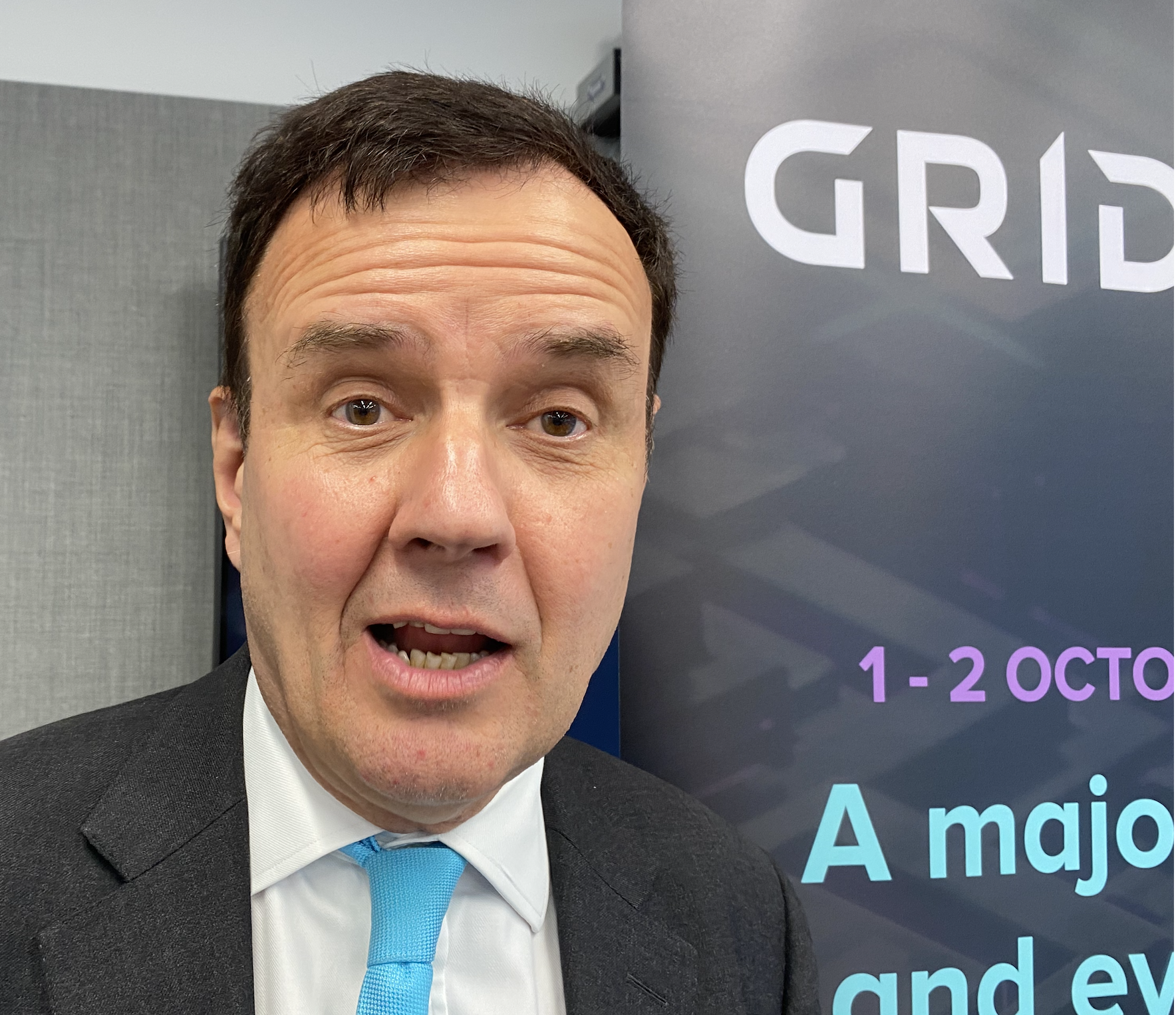
Sir Greg Hands
“The Prime Minster’s announcement is timely,”, said GRID-UK Advisory Board Chair, Sir Greg Hands.
“GRID-UK is the first gathering of energy industry executives and corporate customers to take place following the announcement.
I am sure it will be the topic of animated discussion in the plenaries and workshops at the event”.
What do you think? Come along to GRID-UK - listen to expert opinion and have your say on the future of the energy market at Excel on Thursday 1 October and Friday 2 October.
Admission is free, subject to pre-registration here.