

NGED project to explore potential of wireless power distribution
The benefits of distributing electricity without wires will be explored in a new innovation project launched by National Grid Electricity Distribution (NGED) and Space Solar.

Could wireless transmission replace the need for new pylon routes in the UK? Artist's impression of Emrod's power beaming in operation (Image: Emrod)
The benefits of distributing electricity without wires will be explored in a new innovation project launched by National Grid Electricity Distribution (NGED) and Space Solar.
The Wireless Power Transmission project will examine if revolutionary ground-based wireless technology can supplement overhead lines and cables or even replace them – radically improving services for customers.
NGED is partnering with Space Solar to investigate the potential to increase network resilience and to provide fast and flexible grid connections.
The project will assess if wireless transmission can deliver benefits during emergency responses, such as storms, and help better serve customers in remote areas.
Going wireless could also play a role in moving energy from offshore renewables, making it easier and cheaper, as well as offering an alternative way to transmit power in National Landscapes.
With demand for electricity set to double in the UK by 2050, which will require four times the amount of renewable energy generating capacity, overhead lines and underground cables will continue to be needed, but innovation funding will help engineers explore how the distribution network can evolve.
Last October Ofgem and Innovate UK commissioned the new Energy Networks Innovation Taskforce to bring together senior leaders from industry and energy networks to take a more strategic collaborative approach to future network innovation, and to identify challenges for the Strategic Innovation Fund (SIF) to tackle.
As a result, the Wireless Power Transmission Project is being funded by the SIF, an Ofgem programme managed in partnership with Innovate UK.
Tim Polack, NGED’s Director of Strategy and Transformation, said:
“Innovative thinking is fundamental to supporting the transition to a cleaner energy future, and the Wireless Power Transmission project will explore how state-of-the-art technology could transform the electricity network to deliver resilience, cost and connection benefits to customers.”
Sam Adlen, Co-CEO of Space Solar, said:
“We are delighted to be able to work with National Grid to explore the opportunities for wireless power transmission. We have all seen the revolution that wireless technology enabled with communications. As energy demand accelerates, advances in wireless power transmission offer great potential to support our growing electricity infrastructure needs.”

Tim Polack (left) and Sam Adlen
Financially, wireless transmission could mean consumer savings due to reduced constraint payments, and lower system costs as connection times are shortened from years to months.
Customers could have quicker access to clean affordable energy by enabling faster integration of renewables and reducing curtailment.
Wireless beaming technology could speed-up renewable connections to the grid, reducing bottlenecks, constraint payments, and Active Network Management, which in turn could prevent energy bill rises.
Space Solar’s objective is to deliver clean, affordable energy from space and works by utilising solar reflectors, where the orientation of its satellites are pointing to the sun, constantly reflecting sunlight onto a solar panel array. Solar panels and transmitters made up of 60,000 layers of power modules collect the sunlight from the reflectors and convert this to high-frequency radio waves, and finally use power transmission – a coherent, collimated beam of radio waves - to transmit to a rectifying antenna on the ground.
The company claims to have “a highly investable” roadmap, developing and delivering 30MW within 6 years and GW scale power within twelve years, with exclusive rights in the IECL CASSIOPeiA solar power satellite, delivering market leading performance and levelised cost of electricity.
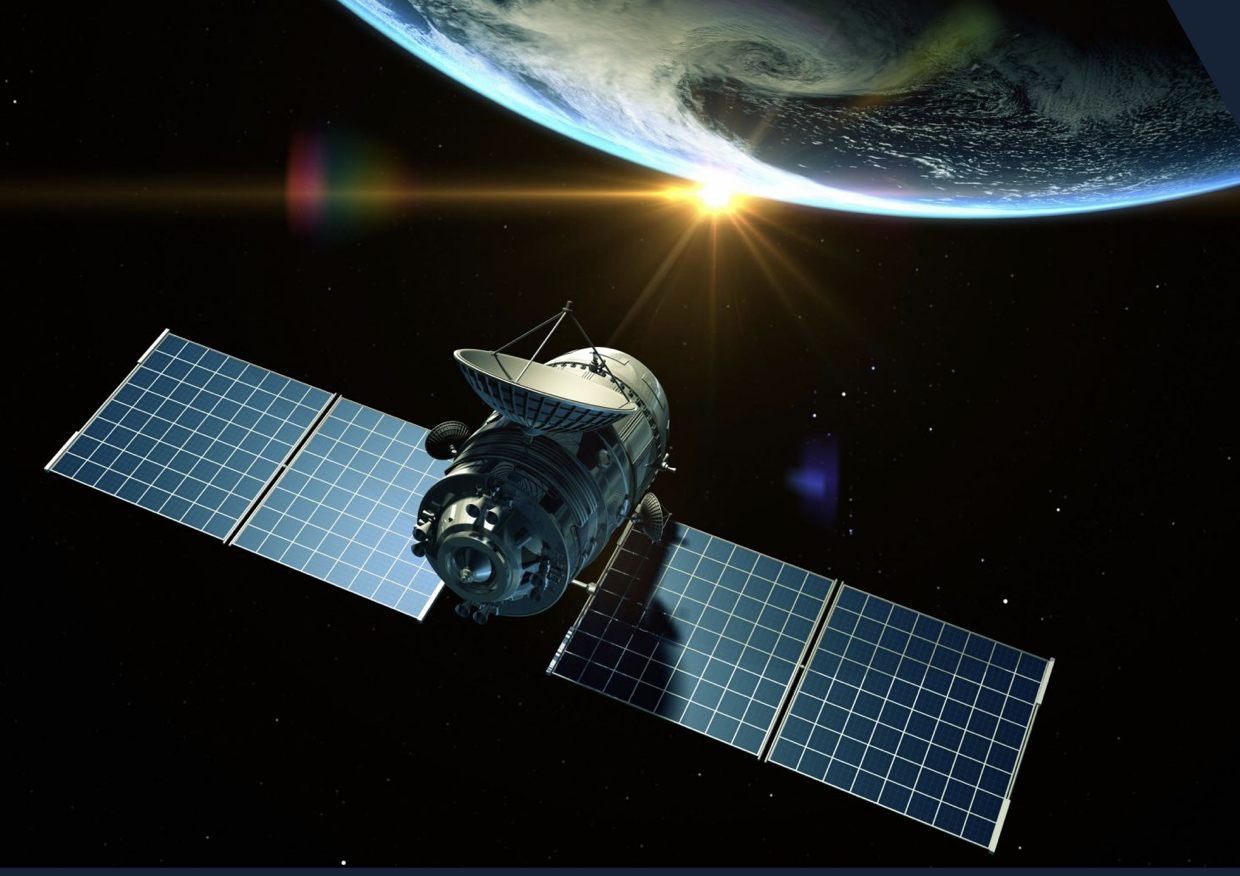
Image: Space Solar
Already several successful trials of “power beaming” technology have been tested in terrestrial conditions in other parts of the world and could help limit future demand for new transmission pylons.
Some of the most successful initiatives to date has been in New Zealand and Germany by the Kiwi start up, Emrod Energy.
Their project was first enabled by Ara Ake, New Zealand’s national new energy development centre, and was delivered in partnership with Powerco, New Zealand’s second-largest energy distributor.
In Germany the firm has partnered with the European Space Agency (ESA) and Airbus.
ESA and Airbus share the belief that commercial space-based solar power, using satellites to capture solar energy in space where it is plentiful 24/7 and beaming it wirelessly to the ground, could support the transition to sustainable energy and meet the continent’s goals for Net Zero carbon emissions by 2050.
Held at Airbus’ Munich area site, Emrod’s indoor demonstration system wirelessly beamed power over 36m at a frequency of 5.8GHz, using a square phased-array transmitting antenna of 1.92m in diameter and a similarly sized receiving antenna.
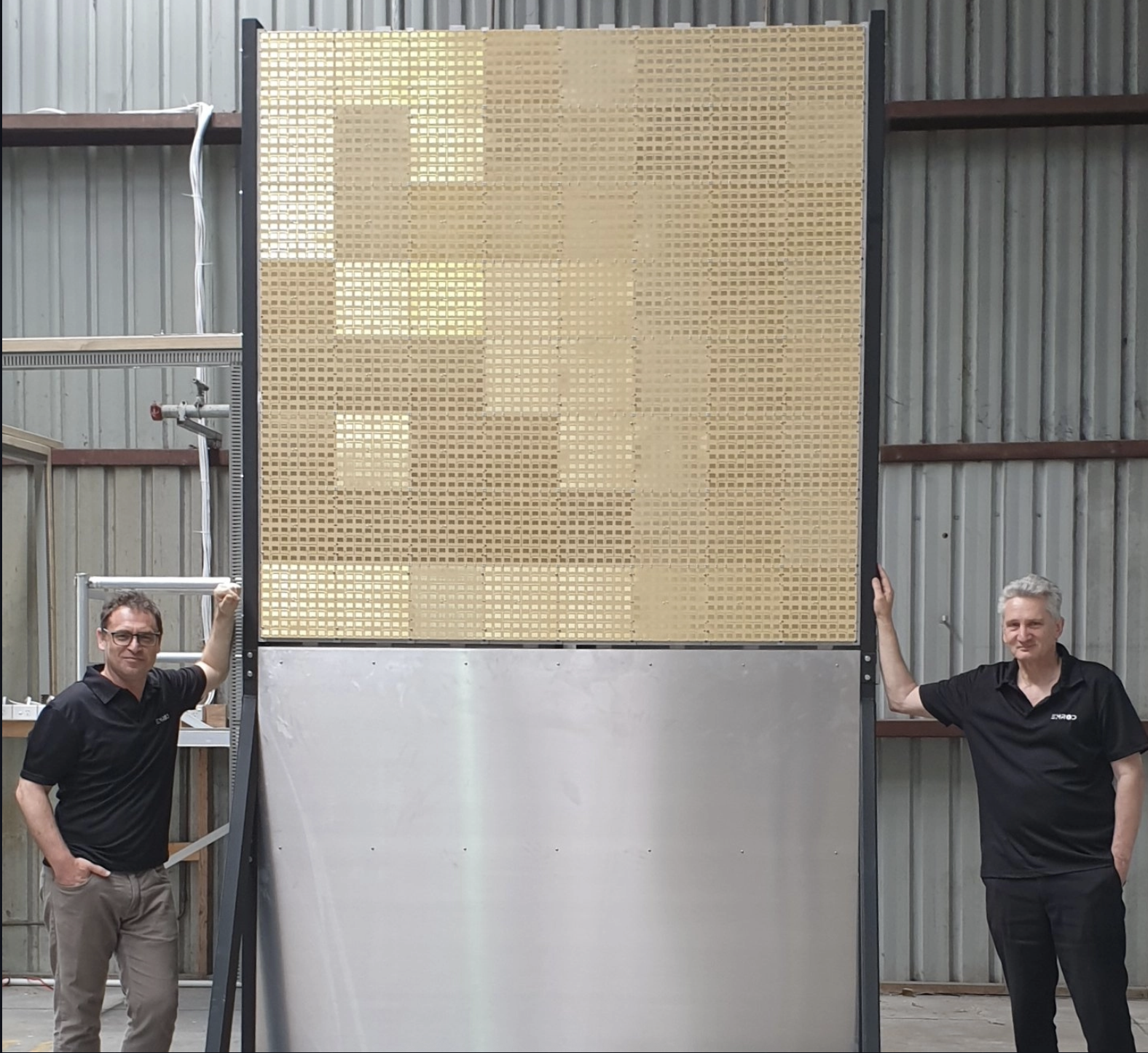
Emrod founder Greg Kushnir (left) and business partner Dr. Ray Simpkin next to EMROD's first indoor demonstration system in Auckland, (Image Emrod)
A collimated formation allows the beam to be precisely electronically controlled. The antennas are positioned in a way to avoid anything on the ground passing through the beam. The built-in safety system temporarily shuts down or douses the beam if any object is about to cross the beam.
Airbus has said it’s interested in space-based solar power as a possible way to power electric aircraft. Rather than carrying all energy required for a flight on board, a hypothetical aircraft might use battery power for takeoff and landing and then rely on power beamed from space. Canadian researchers tested the concept in the 1980s, sending power via microwaves from a ground-based antenna to a small drone. In its last demonstration, the drone flew for an hour on microwave power alone.
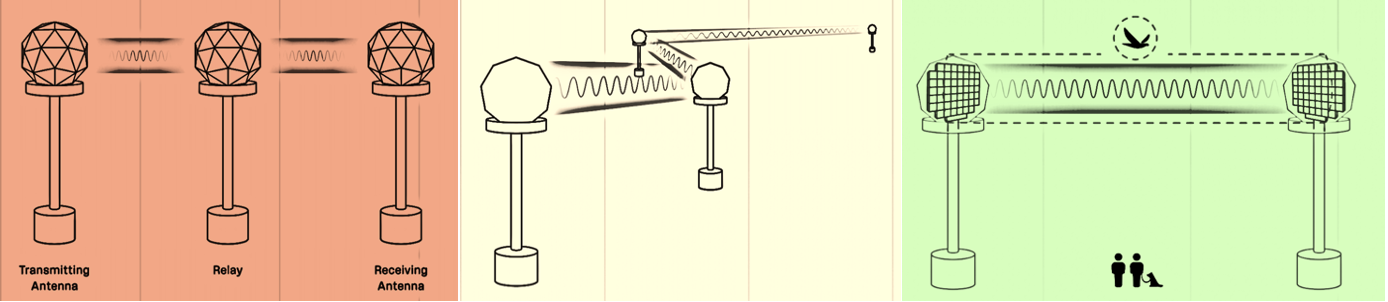
Efficiency, scalability, safety and reliability are hallmarks of Emrod’s technology (Images: Emrod)
Greg Kushnir, founder and CEO of Emrod said, “We are excited to contribute to the commercialisation of power beaming technology for space-based energy infrastructure in collaboration with ESA and Airbus.”
“This takes us closer to our goal of commercializing long range power transmission. I expect to soon announce details of our next terrestrial use case demonstration, and we continue to develop plans for in-orbit testing of space-based infrastructure.”
Emrod’s long-range wireless power transfer system works by converting electricity into electromagnetic waves sent directly over the air to receivers and converted back into electricity for use by consumers.
This point-to-point wireless electricity transfer field demonstration followed successful in-door trials of Emrod’s technology in Auckland and saw power sent wirelessly over a distance of at least 200 metres.