

Smart heat pumps could take pressure off the grid and cut bills
Heat pumps could play a significant role in stabilizing the nation's electricity supply by providing demand flexibility, according to research by the University of Southampton.
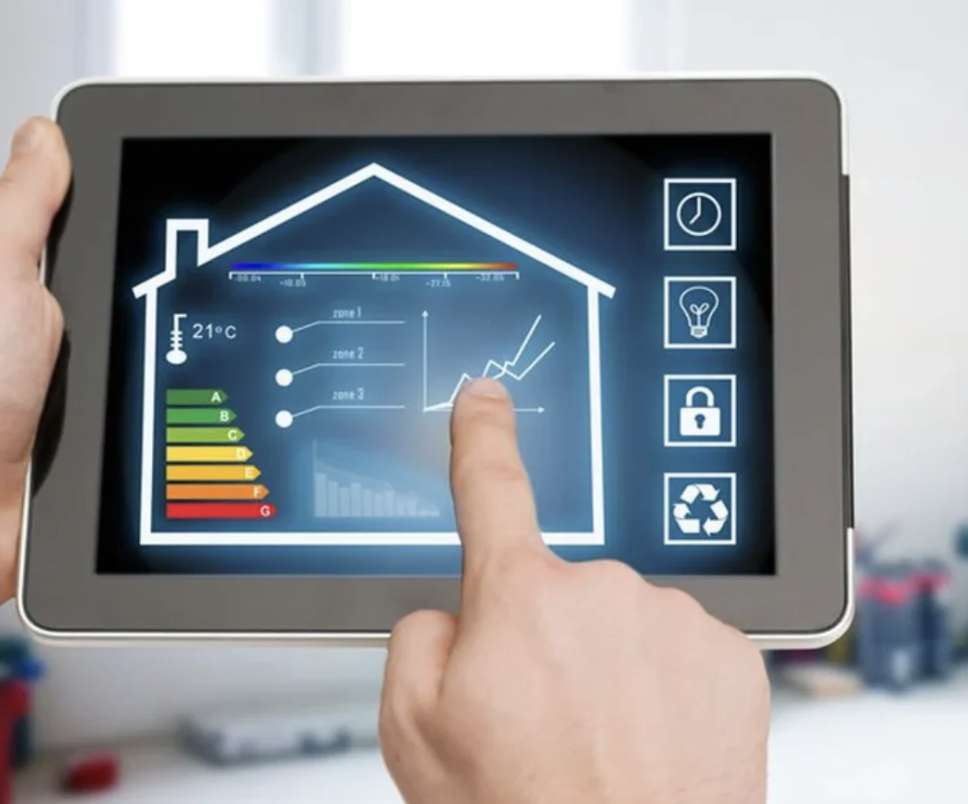
The study tested how homes using smart heat pumps could automatically adjust their usage to balance the grid during peak demand periods. Experts behind the research say it could help households stay comfortable while reducing carbon emissions and costs.
In trials across 30 homes in southern England, they found that when households temporarily had their heat pump use reduced during peak hours, electricity demand dropped by around 90%.
The study, part of a project called LATENT, was led by Professor Patrick James, from the energy and climate change division at the University of Southampton. He said, "Most people just want their homes to be warm and their bills to be affordable.
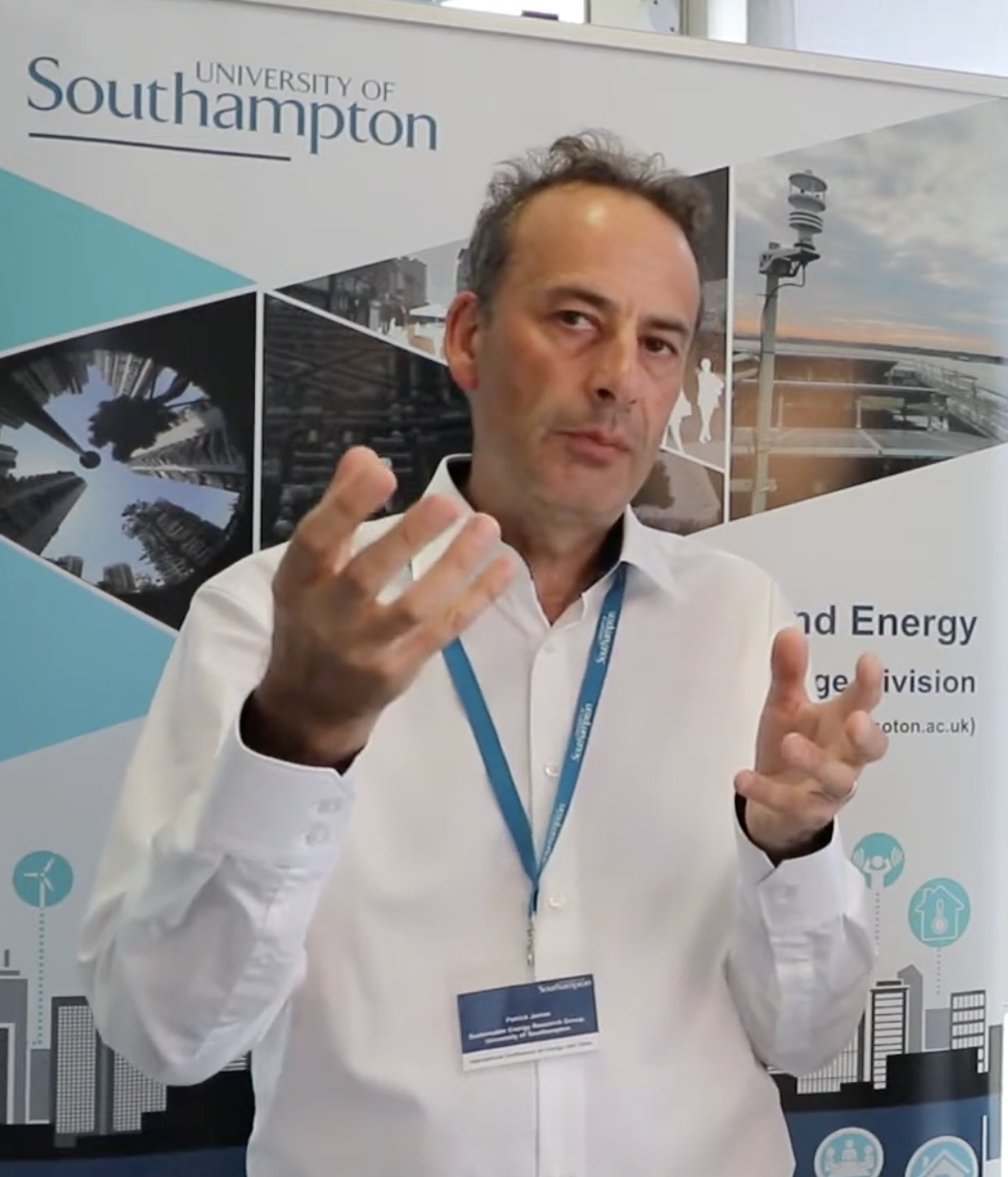
Professor Patrick James
"Our study shows that heat pumps can provide comfortable heating while helping the grid cope at busy times. With smart control, they can play a key role in cutting emissions and making our energy system more resilient—and even save some money on their bills."
The researchers found that smartly managed heat pumps could help reduce pressure on the grid at critical times, such as during cold winter evenings, while also lowering consumers' costs and supporting the U.K.'s shift away from fossil fuels.
By embedding flexibility controls into heat pump systems, the researchers said it could automatically respond to grid conditions, cutting demand when electricity use spikes and restoring it when pressure eases.
The research team now plans to explore how smart systems could be integrated with other low-carbon technologies—such as home batteries—making it easier for households to generate, store and use energy more efficiently.

Dr. Kedar Pandya (left) and Trevor Sweetnam
Dr. Kedar Pandya, Executive Director for Strategy at the UKRI EPSRC added: "This research shows how new technologies like smart heat pumps can benefit both people and the planet. By reducing peak demand, households can help prevent blackouts, lower costs and reduce emissions, all while staying warm.
"Through projects like LATENT, and wider initiatives such as UKRI's Clean Energy R&D Mission Accelerator Program, EPSRC is supporting the innovations that will make the U.K.'s energy system more flexible, cleaner and smarter."
Trevor Sweetnam, Head of Research & Development at Good Energy Ltd, was part of the research team. He said, "The LATENT project is a great example of university, private sector collaboration leading to real outcomes for customers."
In a separate development, Ofgem’s Boiler Upgrade Scheme (BUS) has hit a major milestone – its 100,000th application.
Since its launch in 2022, BUS has helped thousands switch to low carbon alternatives (mostly heat pumps) with grants of £7 500 per installation.