

Tiny data centres in homes may reduce strain on the grid and help the environment
The future of energy and AI infrastructure may not sit in giant remote data centres after all.
Jensen Huang and NVIDIA are backing new American research that could see homes become part of a distributed AI computer network.
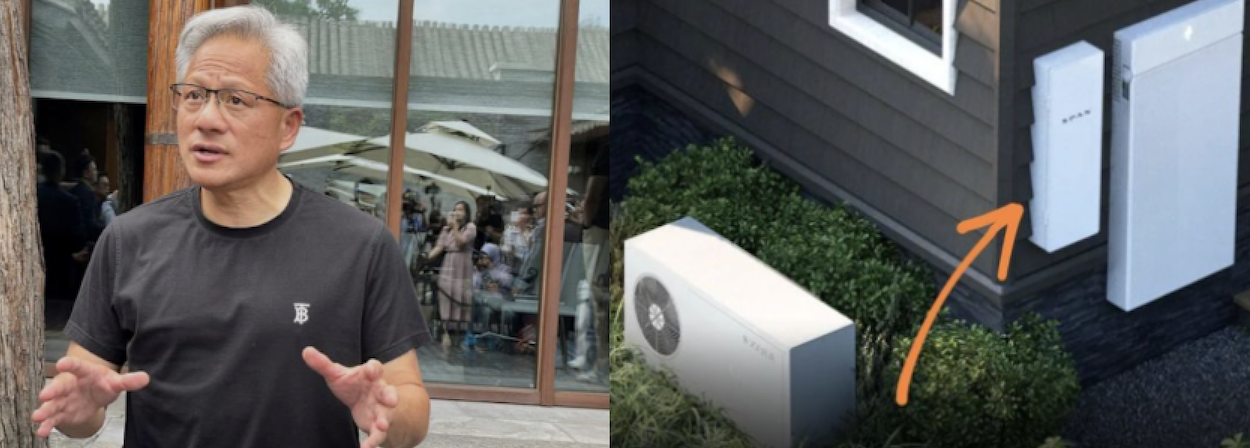
Jensen Huang
Working with Span and PulteGroup in the US, their plan is to install compact AI computer units directly onto residential and commercial buildings.
The cabinet sized XFRA nodes are liquid cooled, fanless systems powered by 16 Blackwell GPUs, connected through smart electrical panels that can make use of spare grid capacity locally.
What stands out is the infrastructure model.

Vision of the future: The AI energy generating home Image: LinkedIn
Instead of building ever larger centralised facilities with huge transmission demands, this shifts computing closer to where energy already exists.
For the energy sector, this is another signal that decentralised infrastructure is becoming the blueprint for the next generation of technology. on residents, as well as a potentially lower ecological footprint than warehouse data centres
All the while, tensions between hyperscalers and residents have been mounting over AI’s rising costs and environmental impacts, with demand for data centres sprouting up around the country and across Europe.
In the US, warehouses erected to store and process massive amounts of data have strained the grid system, potentially driving up electric bills by 6% over the next year, according to Goldman Sachs research.
That’s on top of concerns that data centres require huge amounts of water as part of their cooling systems.
Span’s XFRA models are part of a wider distributed network using a home’s underused electrical capacity to create something similar to a cloud of compute that can be given to service providers. Span claims install nodes at six-times the speed of centralized 100-megawatt data centres and at about one-fifth of the cost of construction.
The US company charges a flat monthly fee of about $150. In return, it essentially pays a host’s electricity and internet bills. The computing power generated from the nodes are distributed to customers like hyperscalers and AI companies. XFRA is not designed to replace commercial data centres, according to the company, but rather to reduce strain on the grid.
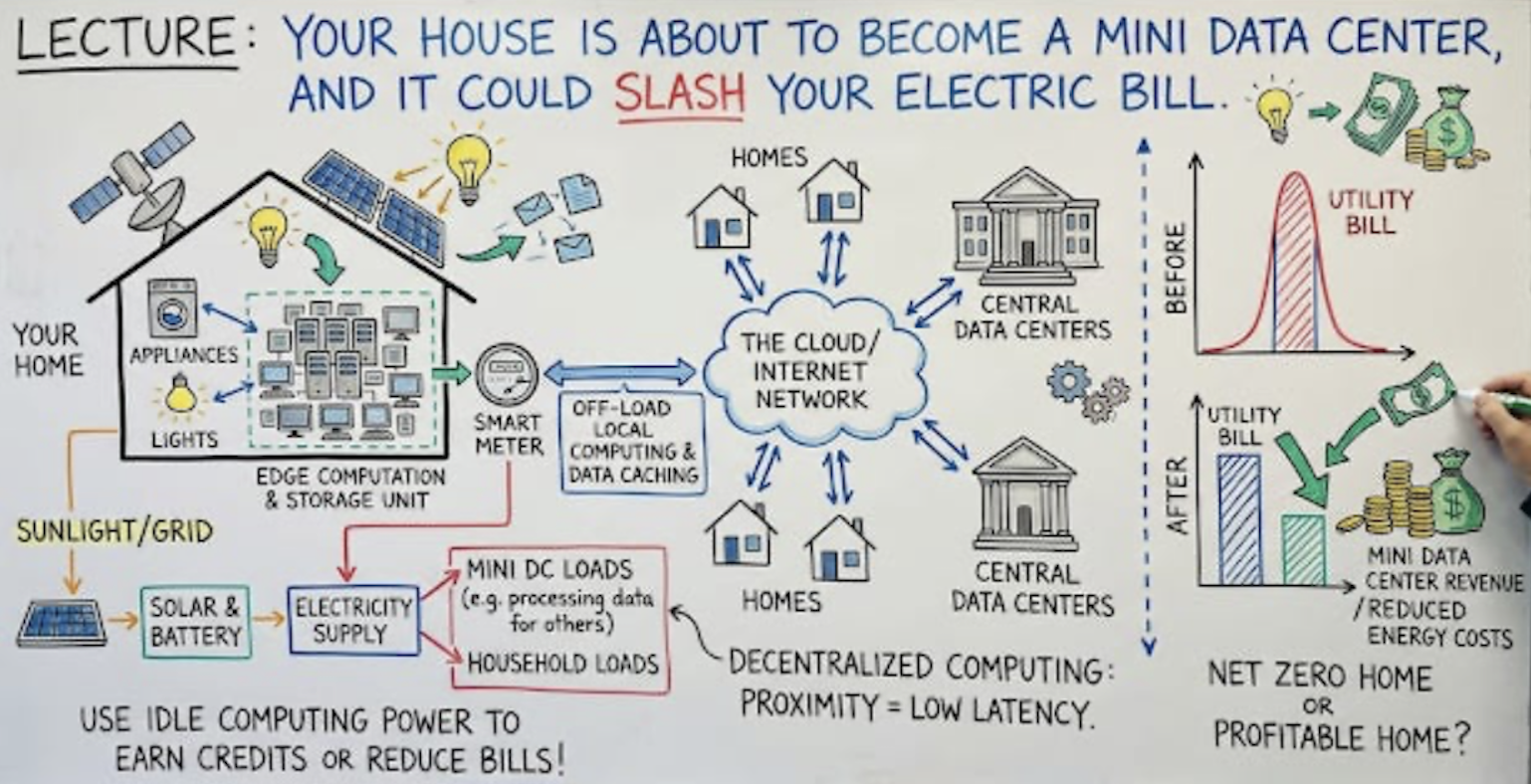
Lesson from America: How data could play a major role in cutting electricity charges explained Image: LinkedIn
Heata, a UK-based startup, also installs servers that act as a “virtual data centre,” processing cloud computing workloads. But it adds a twist by using thermal conductors to carry heat from computer processors to cylinders filled with water for home heating needs.
The startup has trialled units in about 100 homes with British Gas and claims to have saved about 1 gigawatt-hour of energy. About 70% of the saved energy comes from less need to use domestic gas or electric heating systems in homes, while the remaining 30% comes from less of a need to cool data centre processors.
A Heata spokesperson told Fortune magazine, the company has generated 8 million litres of hot water, saving homes over £40 000 on energy bills.
Other companies exploring the commercial potential of a variant of this technology is Norway’s Lektra and Greenlight Group who are testing patented EdgeScale infrastructure in New Jersey designed to distribute AI compute across homes, commercial buildings, industrial sites, solar assets, batteries, and microgrids — orchestrated together as a unified cloud network.