

UK Government to offer £2,500 compensation to households near new power pylons
Families living within 500 metres of new electricity transmission infrastructure will receive £250 annually for a decade to cushion opposition to the Great Grid Upgrade.
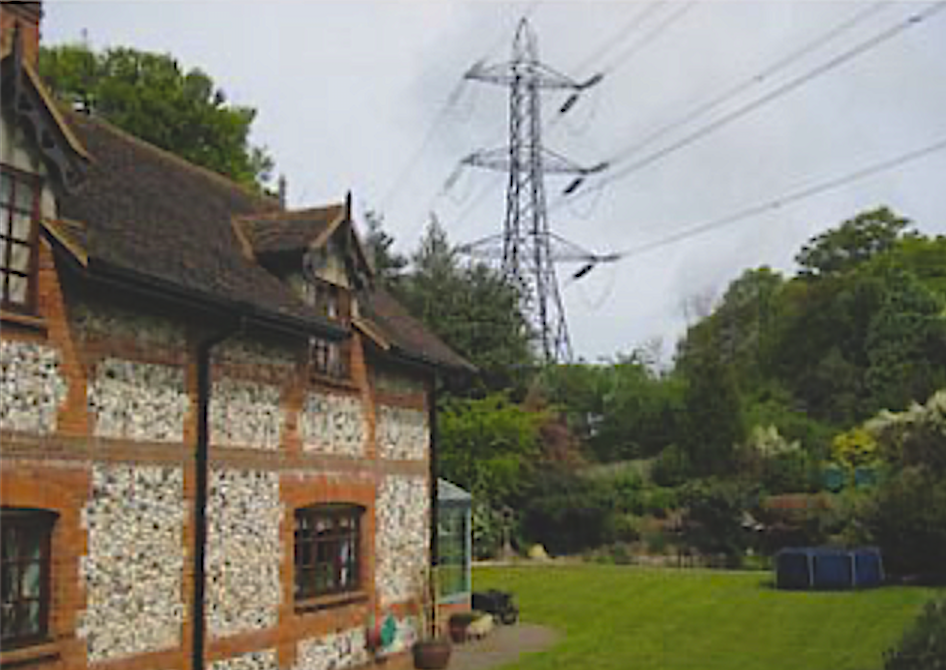
In a drastic bid to accelerate the transition to a zero-carbon grid, the UK government is preparing to pay thousands of families to tolerate new high-voltage infrastructure.
Under highly contested new proposals, households situated within 500 metres of new electricity transmission pylons and overhead power lines will receive a guaranteed discount of £250 on their annual energy bills.
Stretching over a ten-year period, the localised compensation package effectively pays residents up to £2,500 to incentivise acceptance to vital national grid extensions.

The assertive financial intervention reflects the severe logistical bottlenecks threatening Britain’s 2030 clean power mission.
To connect the massive offshore wind farms currently under construction in the North Sea to the data centres and urban factories demanding the power, the UK must construct twice as much transmission infrastructure in the next four years as it has built over the entire previous decade.
However, deeply entrenched rural resistance to towering new steel pylons extending across the countryside has historically stalled projects for years through litigation and zoning blockades.
Campaign group Action Against Pylons described the move as “an insult”.
A spokesperson for the group said: “When average household electricity bills are around £700 or more, £250 is an insult to people living near the proposed giant pylons”.

Rosie Pearson
Rosie Pearson, chairman of the Community Planning Alliance, and founder of the Pylons East Anglia campaign group, said of the £2500 compensation plan:
“It’s patronising, poorly thought out and doesn’t solve any problems at all. It won’t speed up the infrastructure, which is what it’s meant to do, because no one thinks it’s a good idea. It will simply add to consumers’ bills.
“What they should do instead is look at the various alternatives to pylons that are cheaper and better, and they should fully compensate people when they’re out of pocket — not just give token gestures”.
The Department for Energy Security and Net Zero has structured the payouts to be largely automated, ensuring minimal bureaucratic friction. Eligible households living within the 500-metre radius of eligible new or significantly upgraded lines will receive two automatic £125 discounts applied directly by their electricity supplier every six months.
The payments are expected to begin rolling out in the first half of 2027, provided Parliament approves the authorising legislation within the upcoming Planning and Infrastructure Bill.
Crucially, the government has implemented strict cut-off parameters to prevent opportunistic exploitation. The scheme strictly applies to infrastructure projects where construction began on or after March 10, 2025.
Furthermore, the residential property must already exist before the pylons are built—developers constructing new housing estates adjacent to fresh power lines will not qualify for the state-mandated discount.
Landlords are also legally obliged to pass the discount directly to their tenants rather than absorbing the financial relief.
While the £250 annual payout provides immediate relief to approximately 100,000 rural households, energy watchdogs have noted the money does not materialise from thin air.
The discounts will be subsidised through a broader increase in the nationwide "network charge" included in every domestic electricity bill. Essentially, the remaining 30 million British households will absorb marginal, incremental cost increases to pay for the financial pacification of the few communities situated directly beneath the new cables.
In addition to individual household discounts, the state is rolling out significant community-level rewards.
Local municipalities hosting the infrastructure can claim up to £200,000 per kilometre of overhead cabling installed in their jurisdiction, alongside up to half a million pounds for hosting electrical substations.
These funds are ring-fenced for local leisure facilities, sports clubs, and educational programs, seeking to secure collective goodwill alongside individual compliance.