

£1 bn Local Power Plan offers exciting community dividends
Great British Energy (GBE) and the UK government have published the Local Power Plan, backed by funding of up to £1 billion, to help support locally-owned clean energy generation projects such as solar on community buildings like libraries, leisure centres and miners’ welfare clubs.
The plan delivers the biggest ever public investment in community energy.
Ownership is a transformative tool to build the wealth of local areas—giving people a stake in the places they live and generating pride, respect and local prosperity that can’t be dismantled.
Community ownership is already making a difference, through community owned pubs, leisure centres and libraries; in the UK’s thousands of cooperative businesses and its proud cooperative movement; and in the pioneering community energy projects from Lawrence Weston in Bristol to the Isle of Skye Cooperative in the Hebrides to Westmill in Oxfordshire to the Geraint Thomas Velodrome in Wales.
Community owned energy is the norm in other countries. In Germany, for example, around two-fifths of installed renewable energy generation capacity is citizen-owned. But despite its huge potential, for too long community energy in this country has been held back by a lack of funding, advice and central government support.
The Local Power Plan is a transformative strategy to unleash the untapped dynamism, resources and enthusiasm of our communities, backed by up to £1 billion of funding from Great British Energy to support local projects that will cut bills and grow community wealth.
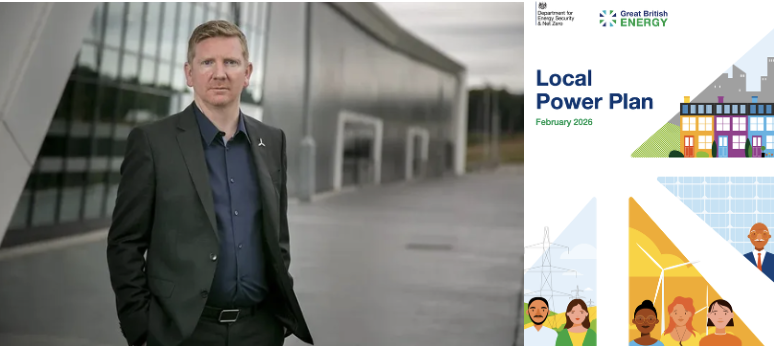
Dan McGrail
Great British Energy CEO Dan McGrail said:
“Communities are at the heart of Great British Energy’s mission. Local and community projects create cleaner, more secure and more affordable energy.
We are investing up to £1 billion into local energy projects so that people up and down the country can feel the benefit of public ownership with purpose”.
The government has pledged to grow clean-homegrown power at every scale - from community owned projects to major large-scale infrastructure. Last month it delivered a record-breaking offshore wind auction, and the results for new solar and onshore wind projects are taking back control of Britain’s energy system and putting the British people at the heart of it.
Great British Energy aims to support an initial 1,000 clean energy projects, helping to deliver clean power by 2030 while improving energy security for the whole country and protecting billpayers. The projects will be developed and led by communities or local government who best know how to deliver for their area or alternatively allow people to buy shares in nearby larger-scale renewable projects.
Research has found that community energy groups play a key role reinvesting revenues locally, and that people involved in community energy activities reported feeling a greater sense of community pride, empowerment, and cohesion. Meanwhile community-owned projects tend to support more jobs than non-locally owned projects and can boost local employment locally.
This is part of government’s plan to double the co-operative sector to support communities to thrive. It comes alongside the £5 billion Pride in Place programme that will see 284 communities across the UK take control of £20 million each over the next decade, investing in local priorities like creating new green spaces and reinvigorating high streets.
Great British Energy is already kicking off this work, so far investing:
£5 million for new community energy projects in England - 53 projects have now been approved from solar panels on places of worship in Leicestershire, to a solar farm in Wiltshire and heritage buildings in Rotherham
over £16 million in Mayoral Strategic Authorities in England supporting renewable energy projects from leisure centres to fire stations
£21.5 million for community and public sector energy projects in Scotland, Wales and Northern Ireland
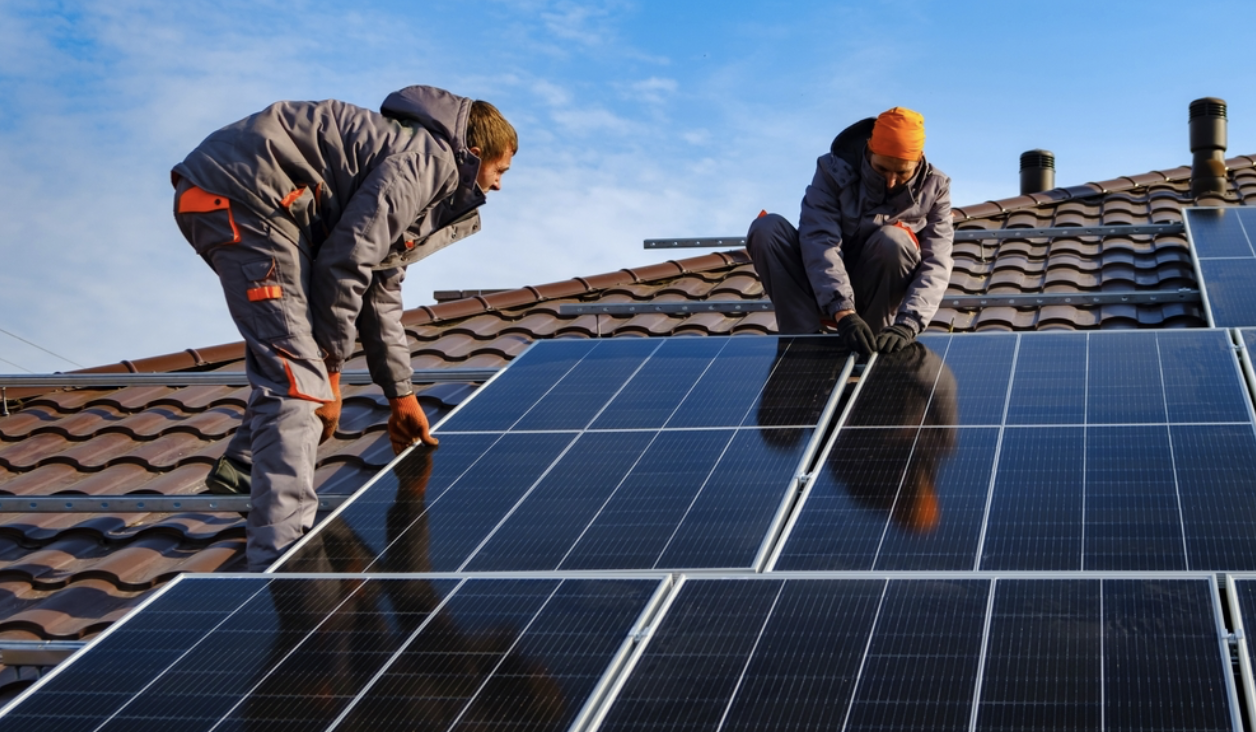
Meanwhile the company, alongside match funding from government, has invested £255 million to enable over 250 schools, around 260 NHS sites, and multiple military sites in England to increase their renewable energy and reduce their energy bills.
The Local Power Plan will help address barriers currently holding back many community energy projects – which range from financial and regulatory to lack of commercial or technical expertise.
People can express their interest in funding and advice on building clean energy projects in their town or village through Great British Energy which is becoming a “one stop shop” for local energy.
This marks a more joined-up and comprehensive offer to support the delivery of community energy projects across the UK.
Great British Energy plan to boost community energy ownership through:
direct funding - strategically investing up to £1 billion in community energy groups, and local authorities including via grants and loans. The schemes will launch later this year. Grants will be targeted at underserved areas or where there has historically been low take up of community energy.
capability building - building up the capacity and skills required for the sector, acting as a co-ordinator for community energy groups and local government. Individuals will also be able to get advice from Great British Energy on setting up clean energy projects
business model development - developing investable business models, with the community energy sector, to reduce reliance on grant funding and increase self-sustainability
regulatory changes - consulting on whether to mandate the offer of shared ownership of clean energy projects and collaborating with the regulators on how to make it easier to share generated power locally.
GBE will continue working with devolved governments in Scotland, Wales and Northern Ireland to complement existing support and identify new opportunities for collaboration.
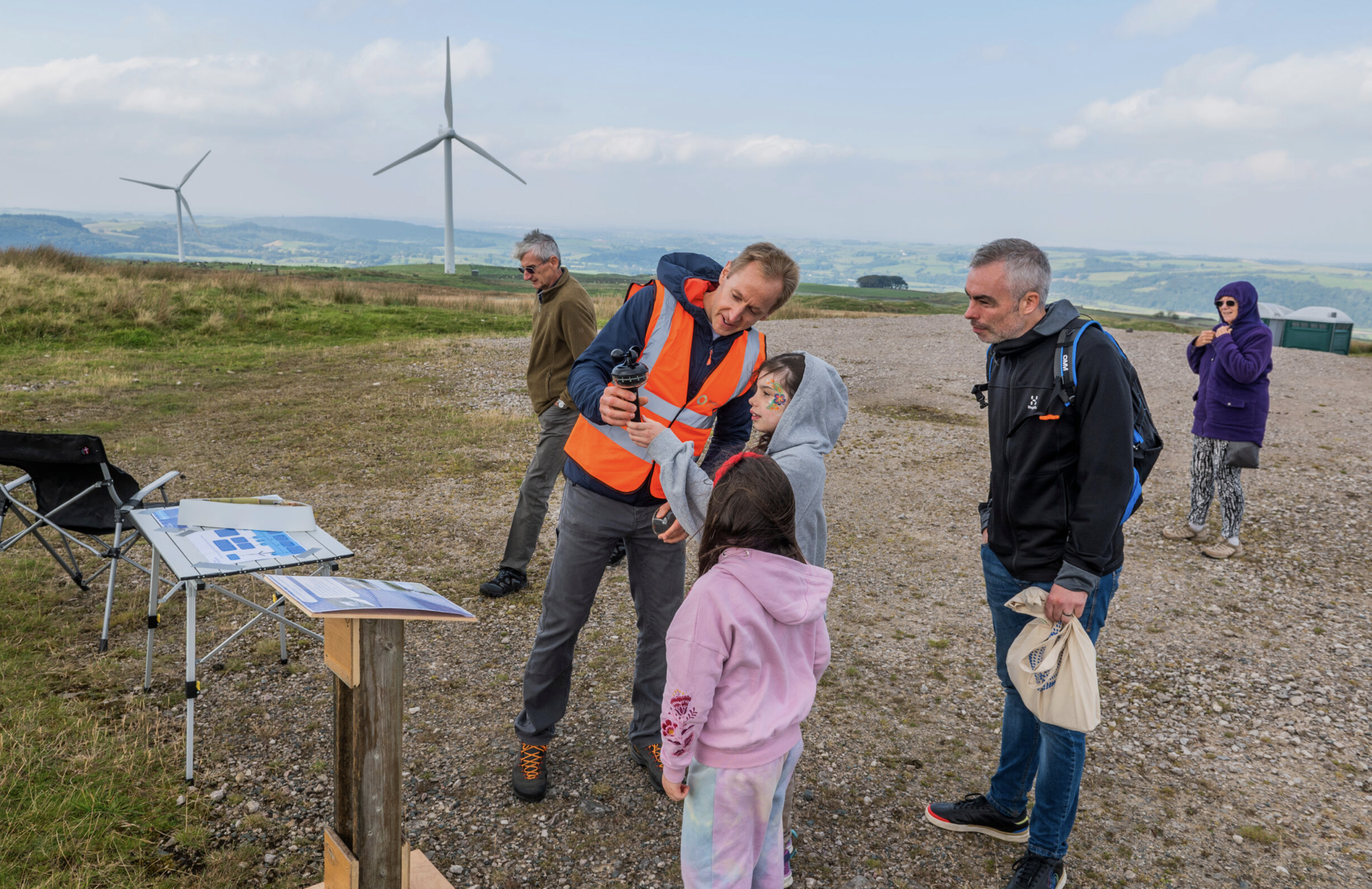
The company is also partnering with authorities in England to support renewable energy across their regions. The first partnerships are with Cambridgeshire and Peterborough Combined Authority, Devon & Torbay Combined County Authority, East Midlands Combined County Authority, Greater London Authority, Greater Manchester Combined Authority, North East Combined Authority, West Midlands Combined Authority, West of England Combined Authority, West Yorkshire Combined Authority, and York and North Yorkshire Combined Authority.
Emma Bridge, Chief Executive of Community Energy England, said:
“Community Energy England welcomes the announcement of £1 billion for local and community energy, which will unleash the sector to grow exponentially again. By harnessing the passion, expertise and money of local people, this investment will deliver community benefit, bill savings, local jobs and energy justice.
The Local Power Plan is an important step to putting people and community energy at the heart of the energy transformation. We look forward to working closely with Great British Energy and the government on detailed investment and delivery programmes so that our members can scale this work as soon as possible”.
Zoe Holliday, Chief Executive of Community Energy Scotland, added:
“We welcome the Local Power Plan’s vision for every community in the UK to have the opportunity to own an energy project. This vision will only be achieved through partnership working, and the Plan is a public pledge by GBE and UK government to work together with each other, devolved governments and all other relevant stakeholders to address existing barriers and maximise opportunities.
Community Energy Scotland is committed to working with all of these partners and our members to ensure that communities in Scotland are in the best possible position to take forward new projects and to experience the transformational impact that energy ownership has on communities”.
Ben Ferguson, Co-executive Director of Community Energy Wales, said:
“Our members in Wales are ready to grow their ambition with this support from Great British Energy, welcoming and supporting new and emerging community energy enterprises to participate in the transformative benefits of community ownership of distributed and democratising energy technology”.
Anne Ford, Spokesperson for Community Energy Northern Ireland, noted:
“Community Energy Northern Ireland welcomes the launch of the Great British Energy Local Power Plan. This provides a real opportunity to build awareness of the role that groups of citizens in this region can play in shaping our energy future and bringing more community energy enterprises to fruition”.
We look forward to working with Great British Energy, to grow engagement, share knowledge and build resilience in this critical sector”.
Steven Agnew, Head of Policy at RenewableUK, said:
“Developers are already collaborating successfully with communities on projects such as the Lawrence Weston wind turbine in Bristol. The involvement of Great British Energy will help more communities take advantage of these opportunities.
Supporting local communities to generate their own clean power will allow them to benefit directly from renewables whilst enabling them to play a key role in strengthening our energy security. As these new projects come online, they will push more expensive gas generation off the system, cutting electricity bills for everyone”.

Mike Thornton
Mike Thornton, Chief Executive of Energy Saving Trust said:
“The Local Power Plan puts community energy at the centre of Great British Energy’s work to deliver clean power. The ambition for every community to have an opportunity to own or be involved in a local energy project by 2030 will give people genuine agency in the energy transition, directly driving benefits back to local areas whilst supporting climate action”.
To date, 53 early-stage community energy projects have been backed by Great British Energy. These projects were funded via the GBE Community Fund (which is England only and delivered by the Local Net Zero Hubs).