

University of Manchester to lead £3m project to transform long-duration energy storage
The University of Manchester is to lead a major new research collaboration to develop GPStore, a pioneering long-duration energy storage technology that could play a vital role in supporting the UK’s transition to net zero.
The project, led by Professor Yasser Mahmoudi Larimi has been awarded a £3 million EPSRC Critical Mass Programme Grant. It brings together expertise from industry and academia across the UK, including The University of Manchester, the University of Birmingham, the University of Liverpool, Cranfield University and Imperial College London.

Professor Yasser Mahmoudi Larimi Images: University of Manchester/John Mackle
As the UK increases its use of renewable energy, one of the biggest challenges is how to store excess electricity generated on windy or sunny days and make it available when demand rises, or when the weather changes and turns dark, for example. GPStore aims to deliver a first-of-its-kind approach to storing clean energy for hours, weeks or months - something existing storage options cannot achieve at scale.
Welcoming the news, Professor Yasser Mahmoudi Larimi said:
“This award represents a major step forward for UK energy innovation. GPStore addresses some of the most persistent barriers to long-duration storage - cost, scalability and environmental sustainability - and has the potential to unlock widespread renewable-energy integration across the UK and globally.”
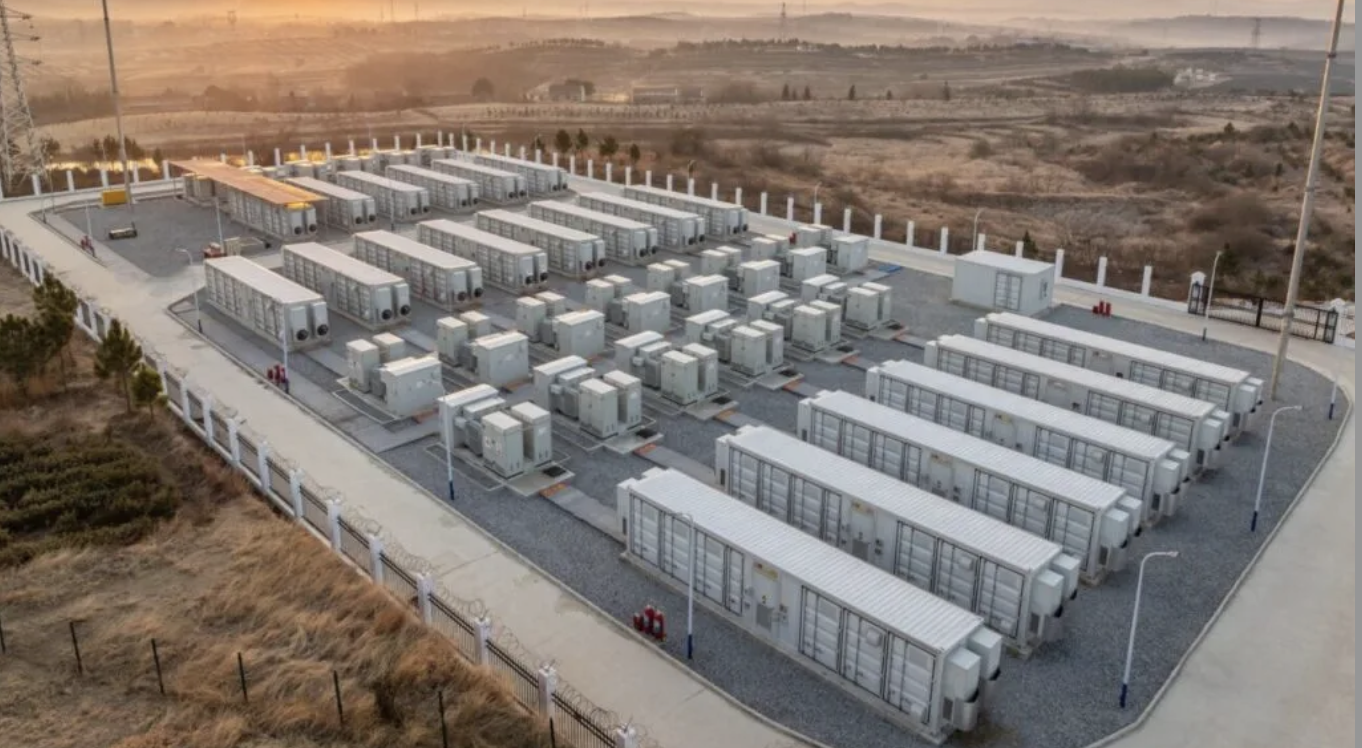
The future of BESS reimagined: Redox batteries could play an important role in the move towards net zero. Image: University of Manchester
By 2050, the UK is expected to need up to 100 terawatt-hours of long-duration energy storage to ensure a stable, affordable and low-carbon energy system. While today’s technologies, such as pumped hydro, compressed air and flow batteries, offer useful short- to medium-duration storage, they often face geographical and environmental constraints, high costs, or complex engineering, making them difficult to scale.
The novel GPStore technology takes a completely different approach. It converts surplus renewable electricity into high-temperature heat storing in solid particles, in aboveground insulated tanks. When energy is needed, the stored thermal energy is converted back to electricity. GPStore could help manage energy demand not only day-to-day, but also between summer and winter, which is essential for achieving a fully renewable, climate-resilient energy grid.
The project brings together 13 academics across five UK universities and 16 industry and policy partners, including Baker Hughes, EDF Energy, UK Power Networks, Fraser-Nash Consultancy and Manchester City Council.
In a separate development, Statera Energy has acquired a 680MW battery energy storage system (BESS) project in Greater Manchester.
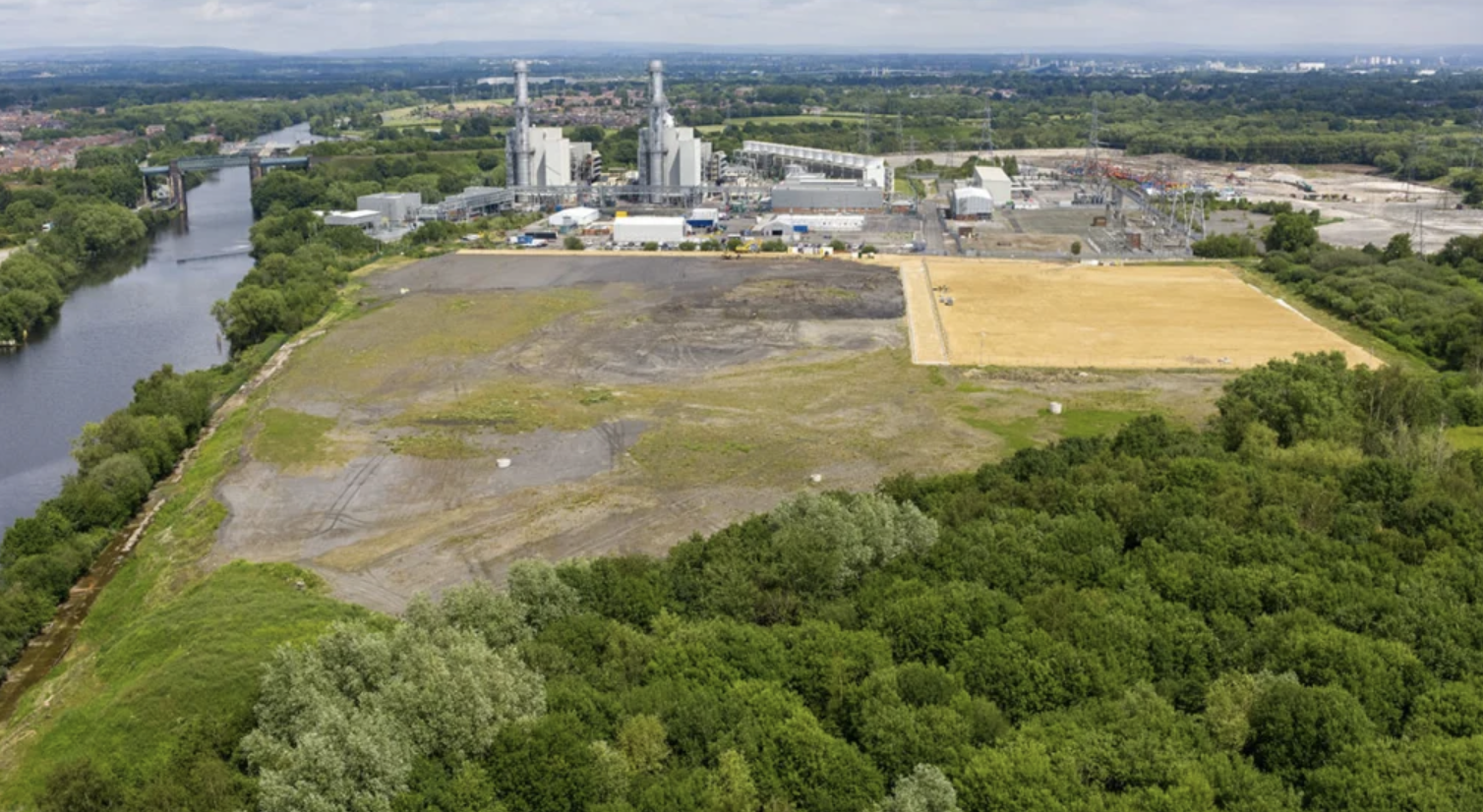
Statera’s Carrington site
Located at Trafford Low Carbon Energy Park in Carrington, it is expected to become one of the largest of its kind in Europe once fully energised in 2026.
At 680MW, it will be over twice the size of Statera's forthcoming 300MW Thurrock Storage and equate to nearly a quarter of the installed energy capacity of the UK operational BESS fleet.
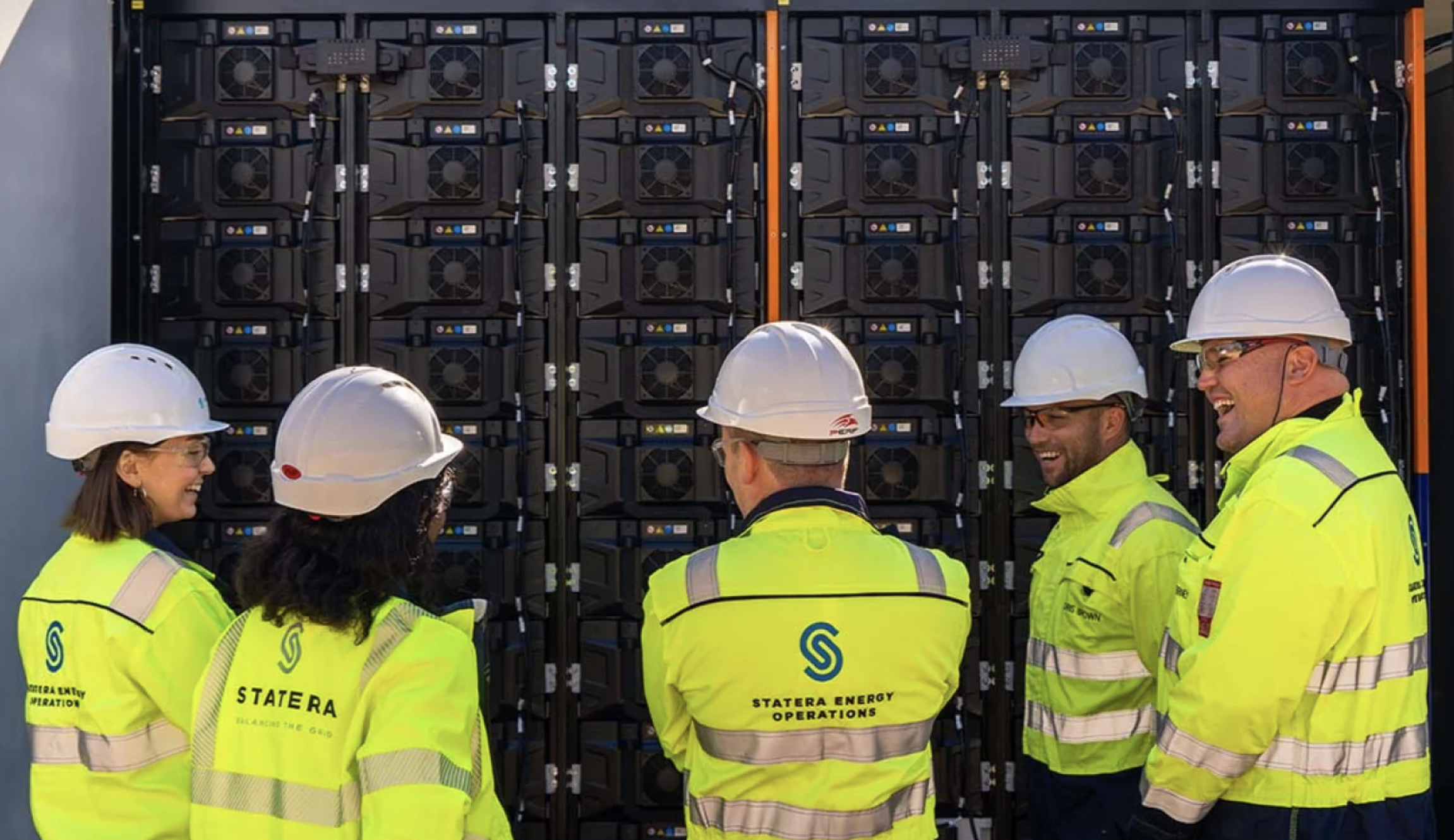
The project, which has already been approved by Trafford Council, is Statera’s largest consented BESS project to date.
It will operate alongside long-duration energy storage and other flexible technologies to store excess renewable energy until it is needed, balancing the peaks and troughs of renewable generation.