

National Grid’s £550m Humber to Midlands electricity upgrade has moved a step closer to construction after the Planning Inspectorate accepted plans for a 90km overhead power line.
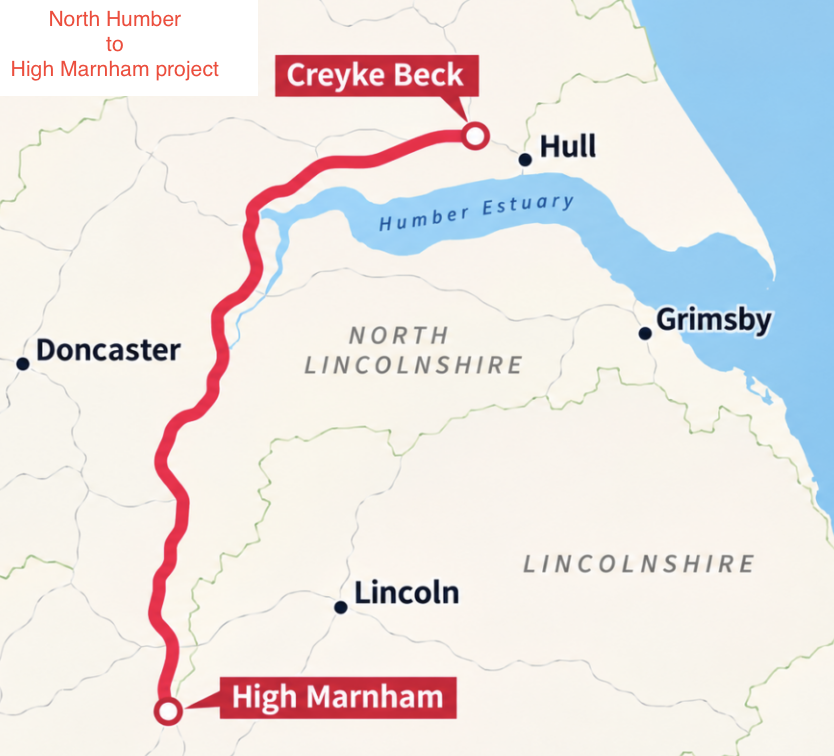
The North Humber to High Marnham project will see a new 400kV transmission route built between Birkhill Wood, near Hull, and High Marnham in Nottinghamshire.
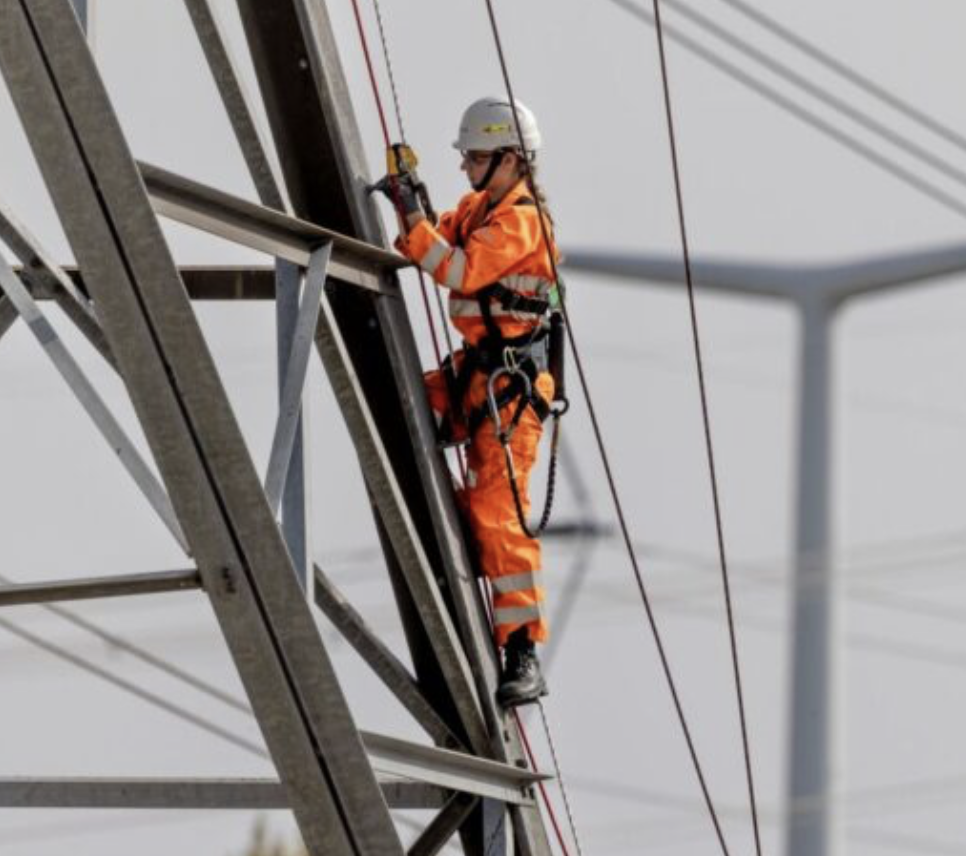
Contractor Laing O’Rourke is already gearing up for the job, as principal contractor for enabling works along 46km of the overhead line route.
National Grid’s earlier strategic assessment put the capital cost of the wider scheme at £553m, including £338m for overhead transmission lines and £215m for associated substation works.
The proposed line will also involve major diversions and realignments of existing high-voltage routes, along with access roads, temporary construction compounds, highway works and environmental mitigation.
The two new substations are being delivered through separate planning applications. Birkhill Wood received planning permission in February 2026, followed by High Marnham in June.
Subject to development consent, construction of the transmission line is expected to begin in 2028, with the new connection fully operational in 2031.
The scheme forms part of National Grid’s Great Grid Upgrade programme, which is designed to increase capacity for electricity generated by offshore wind farms and move more power south from the Humber region.

Monica Corso Griffiths
Monica Corso Griffiths, project director for North Humber to High Marnham, said:
“The acceptance of our application is an important milestone for North Humber to High Marnham and reflects years of work developing our proposals and engaging with people across the project area.
“As demand for electricity continues to grow and increasing amounts of offshore wind connect to the network, investment in electricity infrastructure will play an important role in ensuring power can be transported efficiently to homes, businesses and public services.”
“The conversations we have had throughout the development of this project have helped us better understand local priorities and shape our proposals. We would like to thank everyone who has taken part in that process, and we remain committed to engaging with communities as the project progresses through the next stage of the planning process.”
The DCO project team includes WSP, LSTC, AECOM, Dalcour Maclaren, and Jacobs. WSP, AAJV, Murphy, Laing O’Rourke, and MGroup will be construction and design partners for the scheme, as part of the National Grid’s The Great Grid Partnership.