

Clean Power: The technology is available - the focus must be on affordable build out
Niklas Persson, the CEO of Hitachi’s European Grid Systems business, set an optimistic tone when addressing the GRID-UK Conference, with a clear message - the technology to deliver the clean power revolution is ready but we need to focus on the build out to ensure customers’ needs are realised.
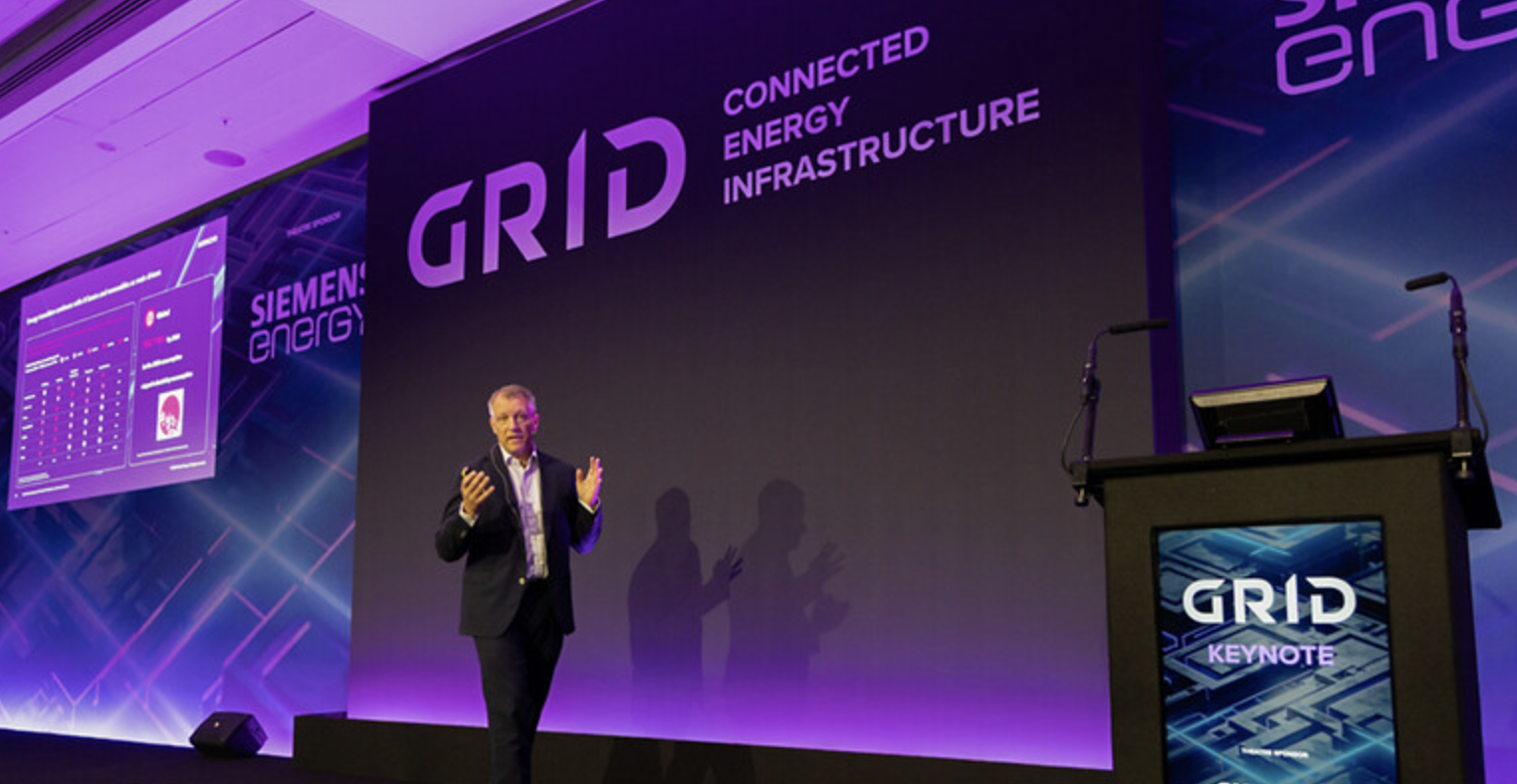
Niklas Persson Image: Vicki Sharp
The challenge for the world - not just the UK was to respond to the expected doubling of demand for electricity over the next 25 years whilst meeting aspirations for security affordability and sustainability, he said.
Although demand pressures were being driven by datacentres, innovations in transportation and heavy industries were creating the momentum to develop a more complex grid for the future, which would only be achieved through greater collaborations between customers and partners.
Hitachi Energy is playing a leading role in the innovation space, developing power electronic solutions - StatCom for the AC grid for battery or supercapacitor energy, offering potential for medium voltage DC’s battery storage as well as solid-state transformers, and HVDC technology, a vital component of interconnectors, facilitating the sharing of electricity capacity between European nations.
A Static Synchronous Compensator (StatCom) is a shunt-connected power electronics device used in electricity transmission networks to regulate voltage and manage reactive power.
HVDC innovation is central to reducing the cost and accelerating the speed of connections, and Hitachi Energy is a leading player in the development of new meshed grid or multi-purpose connectors that can link point to point or several windfarms together.
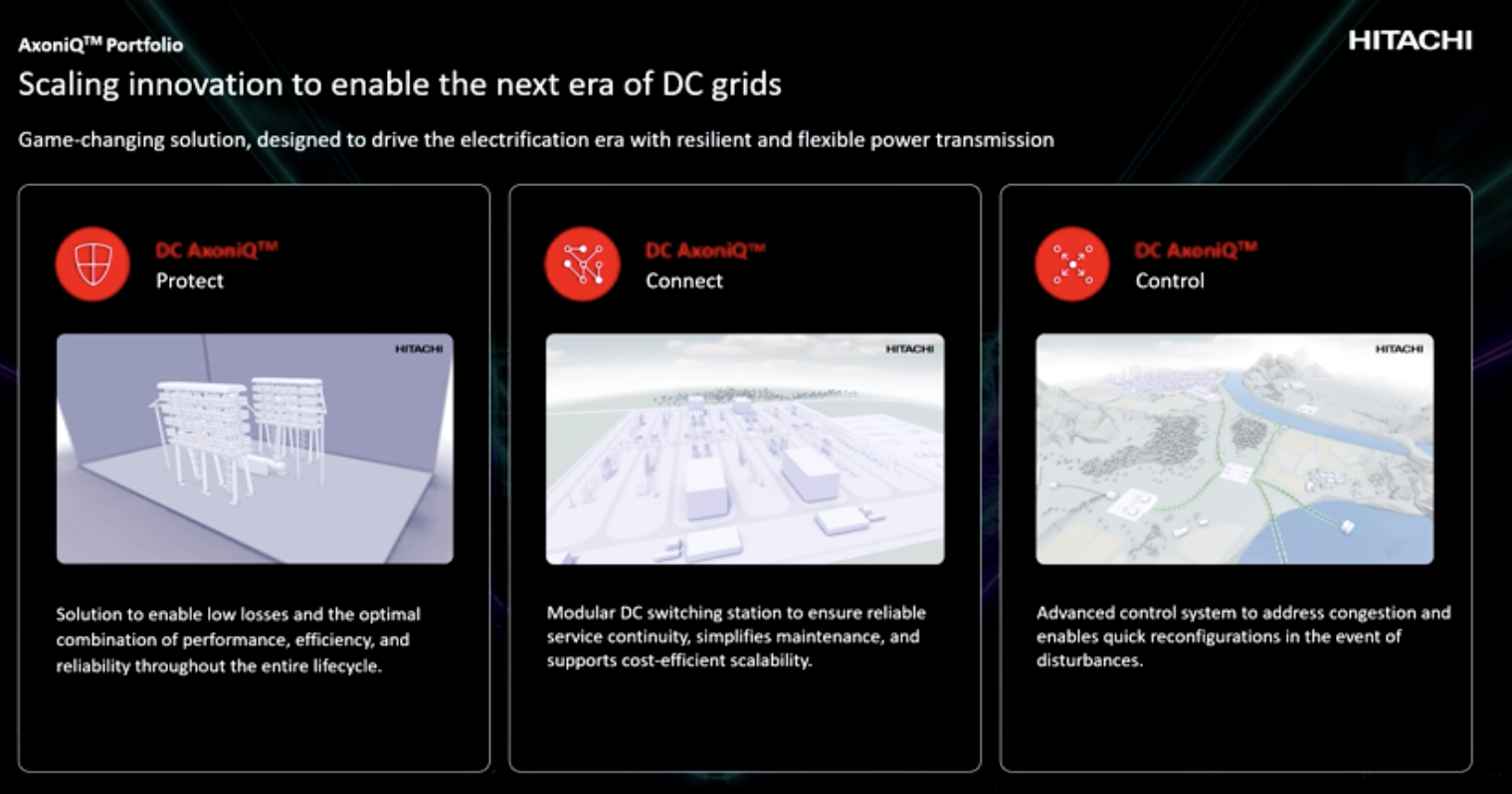
Image: Hitachi Energy
The company has been working closely in the North Sea with SSE to develop the first DC switching and multi-terminal solution and the technology is likely to influence the operation system for Lion Link, the first multi-purpose interconnector in Europe, linking one windfarm to both the UK and the Netherlands.
If this proven technology is extended, there could be an engineering savings of up to £1bn for every HVDC terminal which may not need to be constructed.
Globally, Hitachi Energy is focused on building out capacity with over 9bn USD invested across StatCom, transformers, high voltage switchgear and HVDC installations. But the investment is more than capital expenditure and represents investment in the Axonic portfolio (as previously reported here).
The focus remains on efficiency and affordability. refining the value proposition and optimising the offering.
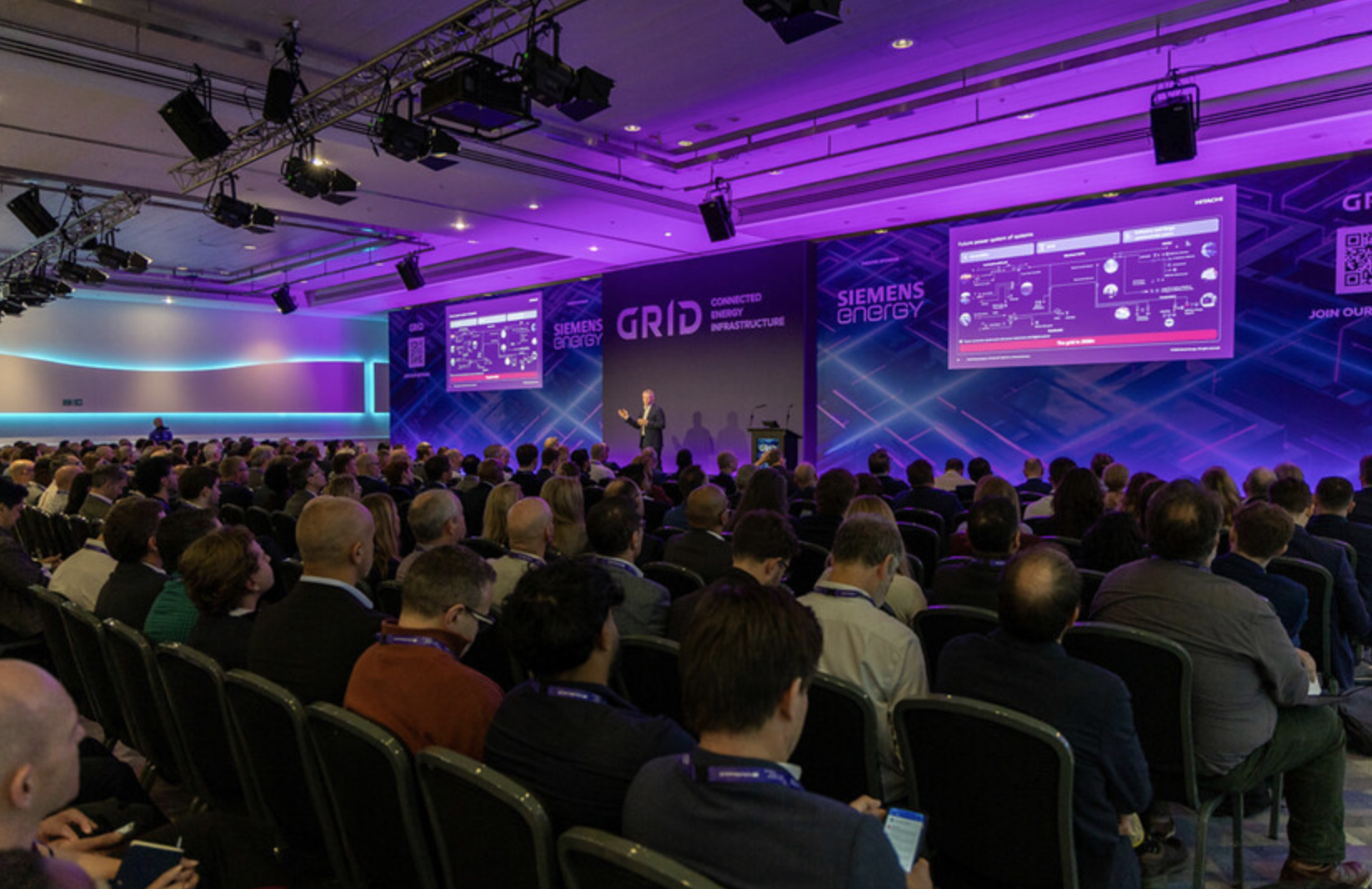
Image: Vicki Sharp
Steps have been taken to work with the offshore wind industry to secure operational and equipment savings of 30%, half of which is being accounted for in shorter delivery times.
Savings are possible through better planning, allowing for capacities to be reserved with consequential supply chain benefits.
Working on a project-by-project basis using best practices and repeat methodologies, the opportunities for savings increase.
Dogger Bank A, B & C, (part of what will become the world’s largest offshore wind farm) offer evidence of the value of this approach, where engineering hours have been halved between A & C.
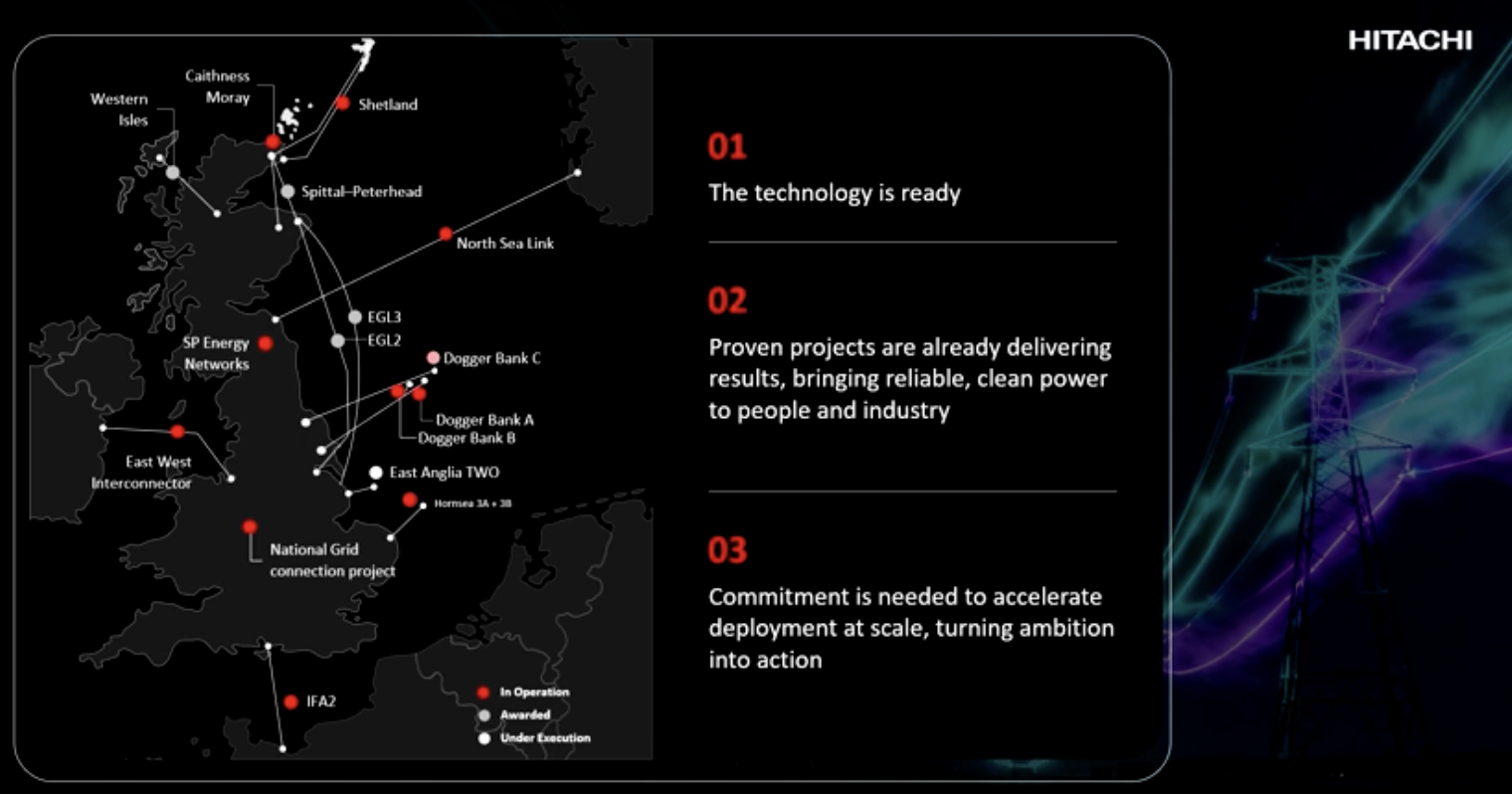
Image: Hitachi Energy
Hitachi Energy has established itself as a key partner in the delivery of the UK clean energy transition, investing in operating centres in Birmingham and Stafford together with its newest base in Glasgow.
The company has doubled its workforce in the past two years and plans to create another 500 quality jobs by 2020.
“So, we look forward to developing our UK partnerships in the years ahead, creating long term value through trusted collaboration, improving affordability through standardisation and scale and ensuing delivery certainty through stronger supply chain integration”, concluded Mr Persson.