

Hitachi Energy unveils AxoniQ: game-changing solution for the next era of transmission grids
Hitachi Energy, a global leader in electrification, has announced the launch of AxoniQ™, its comprehensive portfolio of solutions for multi-terminal direct current (MTDC) systems. As global electricity demand accelerates, MTDC systems are becoming critical to ensuring a secure, affordable, and sustainable power grid.

Image: Hitachi
AxoniQ takes its name from axons, the part of a nerve cell (neuron) that carries electrical signals away from the cell body to other neurons, muscles or glands, effectively functioning as the body’s electrical system.
Like axons, AxoniQ brings power to life across the grid – intelligently and effectively transmitting electricity between multiple sources and demand points, acting as the vital connection that enables a more responsive, resilient, and interconnected energy system.
AxoniQ takes traditional HVDC systems to the next level, supporting efficient and scalable multi-terminal DC grids for the next step in asset and investment optimisation
Is a pioneering portfolio of three solutions based on advanced power electronics and control, ensuring connectivity, controllability, and protection
Designed to drive the electrification era with resilient and flexible power transmission
As renewable energy deployment accelerates and power systems become increasingly interconnected, MTDC systems help manage congestion and improve resilience by allowing dynamic power flow between multiple terminals and across different energy markets, while supporting faster planning, procurement, and execution of grid projects. By connecting multiple power sources and demand points, MTDC grids enable electricity to be directed where it is needed most.
ENTSO E’s Offshore Network Development Plans 2024 report predicts that by 2040, grids developed with MTDC systems will boost transmission capacity up to nearly threefold.
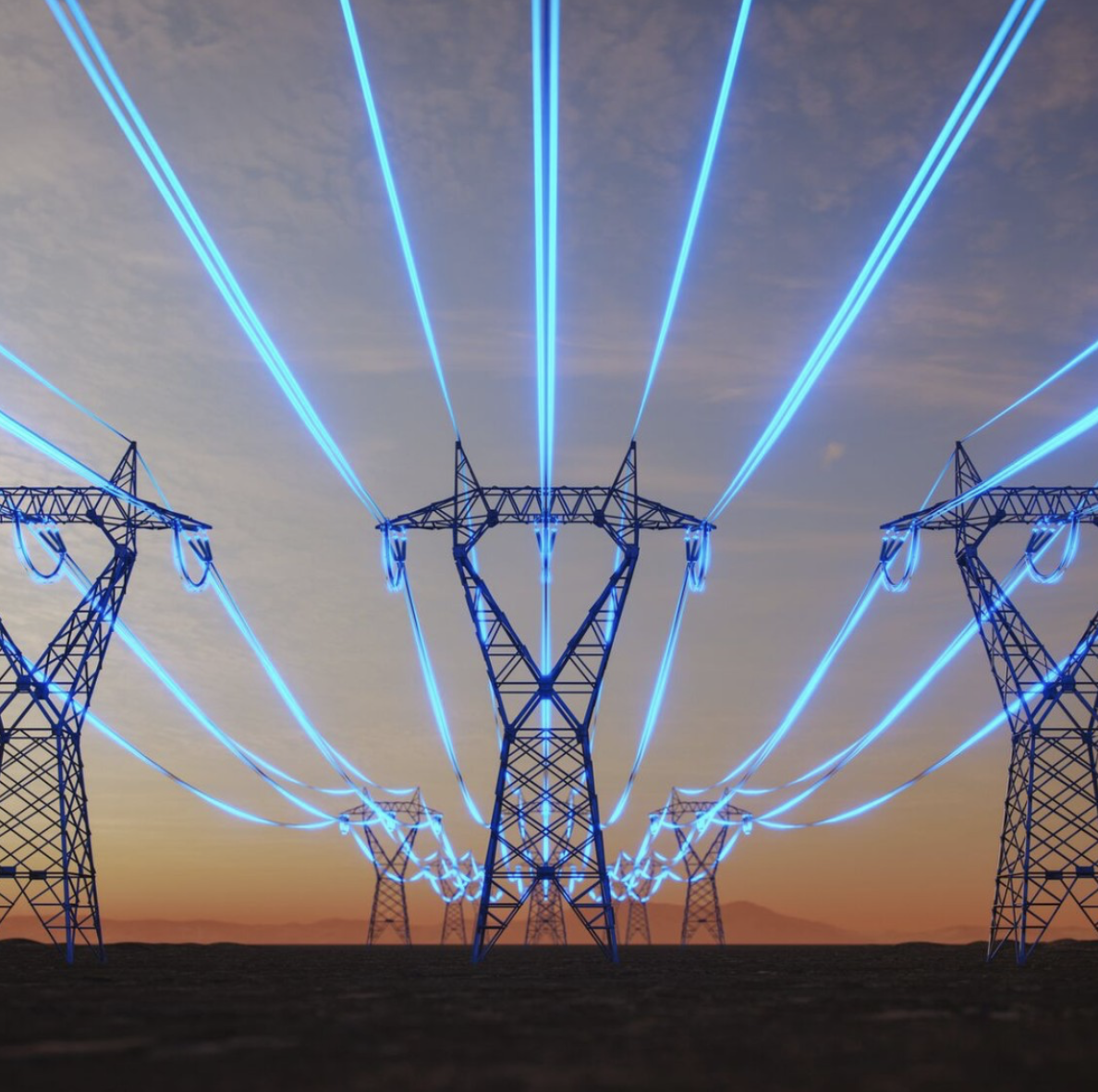
Image: Instagram
Achieving the same capacity and reliability without these solutions would require substantial capital investment. Optimised assets not only translate into fewer converter stations, but also into fewer power cables and lines and a reduced use of land and materials, underpinning a more sustainable energy system for the benefit of both society and the environment.
Marking a significant step toward greater interoperability, the launch of AxoniQ comes as governments and grid operators worldwide accelerate investments in transmission infrastructure toward a fully electrified world to integrate renewable energy at scale, strengthen cross-border interconnections, and improve energy security.
Together, the AxoniQ suite of cutting-edge power electronics solutions enables the re-routing of power in real time, rapid fault isolation, and maintaining continuity of power supply while minimising the impact on the wider grid and avoiding the risk of costly power interruptions.
Engineered for interoperability by design, AxoniQ will continue to evolve to enable a sustainable expansion of direct current (DC) grids in the decades ahead.
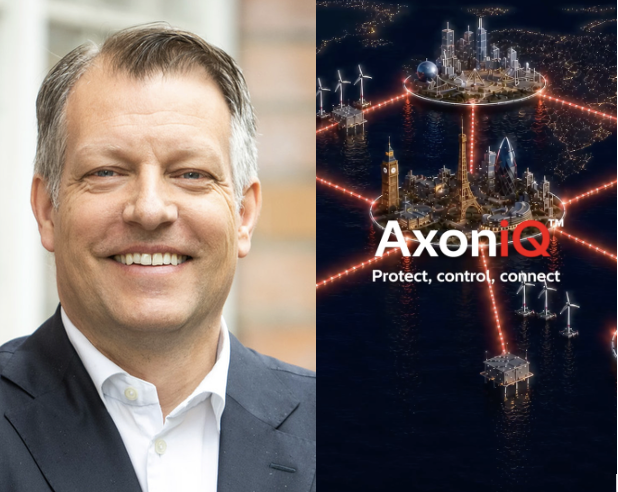
Niklas Persson Images: Hitachi/Instagram
Says Hitachi Energy’s Niklas Persson, CEO of the company’s Grid Integration Business Unit:
“Electricity networks are becoming increasingly complex as renewable generation grows and demand patterns evolve. AxoniQ represents a milestone in the evolution of DC grids, enabling the next generation of HVDC systems, helping grid operators integrate renewable power more reliably and affordably while improving grid resilience and transmission efficiency.
Hitachi Energy is pioneering the new technology needed today and helping ensure future prosperity.”
The AxoniQ family is part of Hitachi Energy’s Grid-enSure®, a fully integrated solution portfolio to stabilise power systems by strengthening transmission, managing frequency variations and system voltage and addressing capacity constraints.
AxoniQ has been researched and developed by Hitachi Energy for more than a decade, and its benefits are demonstrated through the company’s work in partnership with TSOs and main industry players with the aim of making future HVDC systems mutually compatible and interoperable by design.