

Getting connected faster is the key for growth
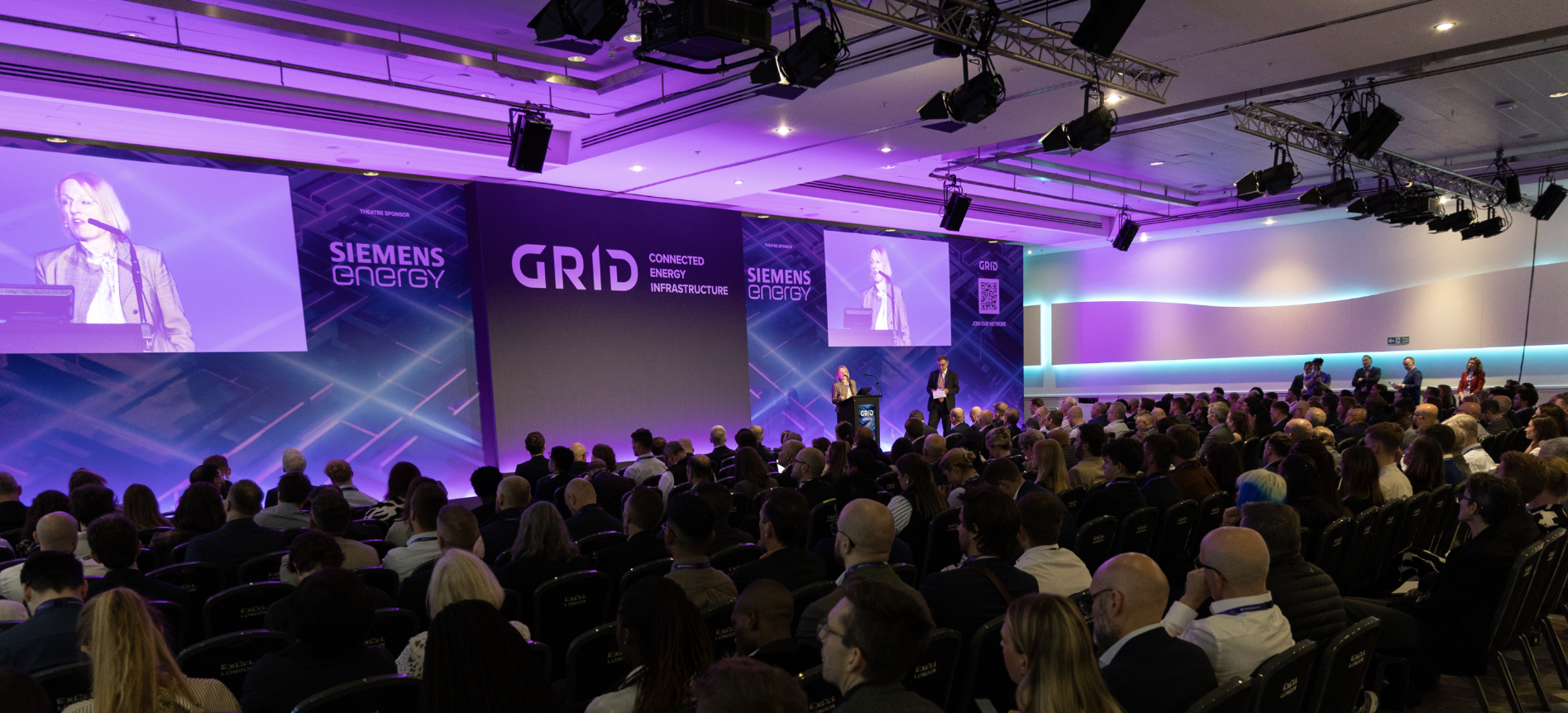
National Grid UK President Cordi O’Hara OBE FEI acknowledged the challenge of leading the transformation of the UK’s energy system in her address to the GRID-UK conference and referenced the need for the industry to provide more information, clearer milestones and better accountability for delivering the country’s clean power aspirations.
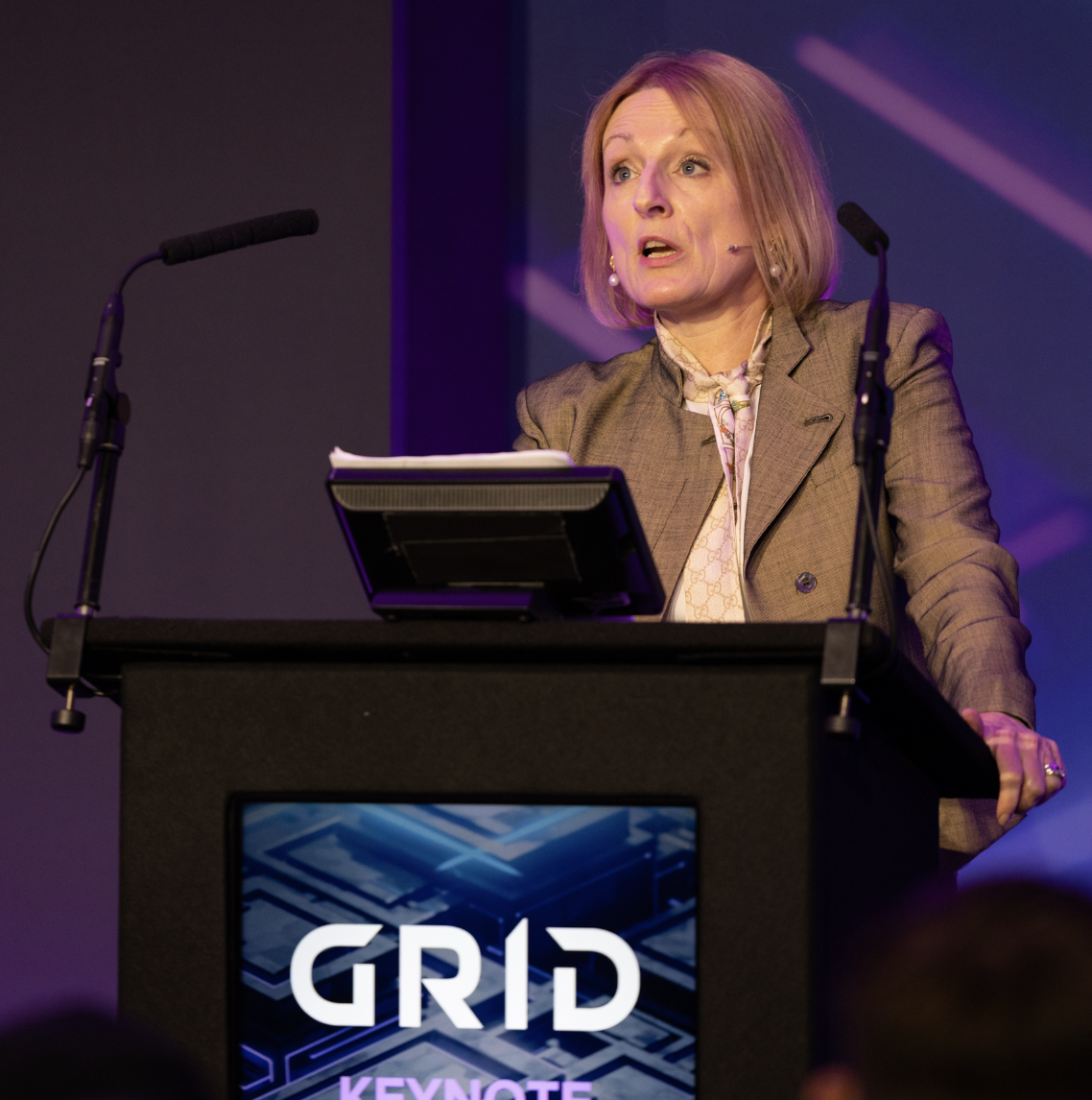
Highlighting the importance of achieving change at pace, she indicated National Grid had delivered 1GW of new connections in 2025 and already over 2GW so far this year. This doubling of delivery had resulted in securing energy capacity for 2.5 million households.
New competition in the form of Great British Grid was likely to help accelerate the pace still further with the effect of putting more downward pressure on prices.
But there was still scope for improvements across the entire system. Planning, consenting and speed of decision making remains significant bottlenecks and the sheer scale of energy infrastructure works are not fully understood.
Land access arrangements and the limited world-wide supply of specialist installation equipment meant that project planning for the long term was required to ensure supply chains were aligned with government policy.
Responsible labour market interventions were needed to safeguard the supply of skilled engineers, technicians and construction workers to keep pace with project timetables and hardware manufacturers needed the confidence to invest in factories and products now to meet the needs of tomorrow.
Standardising designs, using new construction methods and deploying technologies to make better use of existing assets were all part of the picture.
Many aspects of this agenda are reflected in the Electricity Network Sector Growth Plan which National Grid is leading in partnership with BEAMA - a coalition of over 100 companies covering investment, skills, manufacturing and delivery, driving the level of collaboration required to set the foundation for growth across the country.
Because National Grid’s plans go beyond the maintenance of the existing system and will result in significant “new wires”, the company is planning on investing £40 billion in the coming T3 period over the next 5 years, making the company the largest inward investor on the FTSE index.
The plan will connect 35 GW of new generation, 19GW of new demand, some 30 datacentres as well as new advanced manufacturing sites and gigafactories - all underwriting the UK’s national growth mission.
National Grid is also making better use of existing network capacity.

This started in RIO 2 with upgrades and smart technologies such as Dynamic Line Rating (with 27 main circuits covered), reconductoring and power flow controllers which have already resulted in consumer savings worth a quarter of a billion pounds and increases in capacity between 3 and 8%.
The collaboration with Emerald AI is helping the company to better model the network and better understand datacentre load interactions with the grid, so the network builds the right infrastructure in the right places at the right time.
The issue of affordability remains central. Investment in the network is costly, especially when consumers and businesses are already under pressure, but failure to act also has cost implications.
Congestion, constraint payments, delayed connections, weaker resilience and funds directed elsewhere represent drag factors that thwart progress.
Grid capacity affects where growth happens, and results are starting to result in tangible outcomes on the ground, with examples spread across the country from the Agratas battery plant in Somerset where 4000 jobs are being created, to Eastern Green Link 2 in Scotland and Yorkshire which is is adding 160 jobs including 136 local hires and 23 apprentices.
The importance of the upcoming ED3 business plan submissions from the DNOs will provide an indication of how anticipatory investment in the grid for future growth should be prioritised.
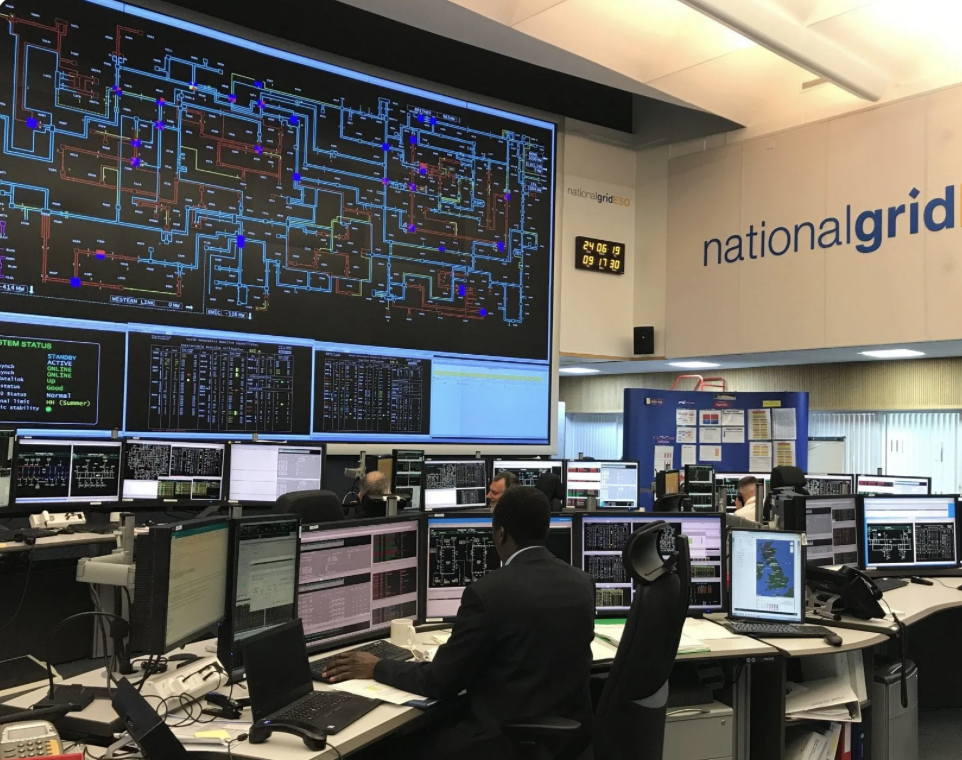
This will need to be considered against the need for better long-term planning that links national energy policy with the growth aspirations of the nations and regions. If strong demand is coming the system needs a practical route to prepare for it.
New capacity only has a value if the underlying system remains safe secure and dependable.
“The test of network investment will be in whether consumers get a more affordable and reliable system”, she said.
“We will deliver the largest expansion of the grid in generations by making better use of the existing infrastructure and working across the system with the regulator, government and our customers to remove barriers.
If we get it right, together we will do more than upgrade the system.
We will lower costs, support industry, create new high-quality skilled jobs, and improve Britain’s economic resilience”, she added.