

It is widely reported National Grid is buying 73.3 acres of land at Dorman Point on Teesside, a site owned by local private-public partnership Teesworks that is strategically located beneath both 275kV and 400kV overhead electricity transmission lines.
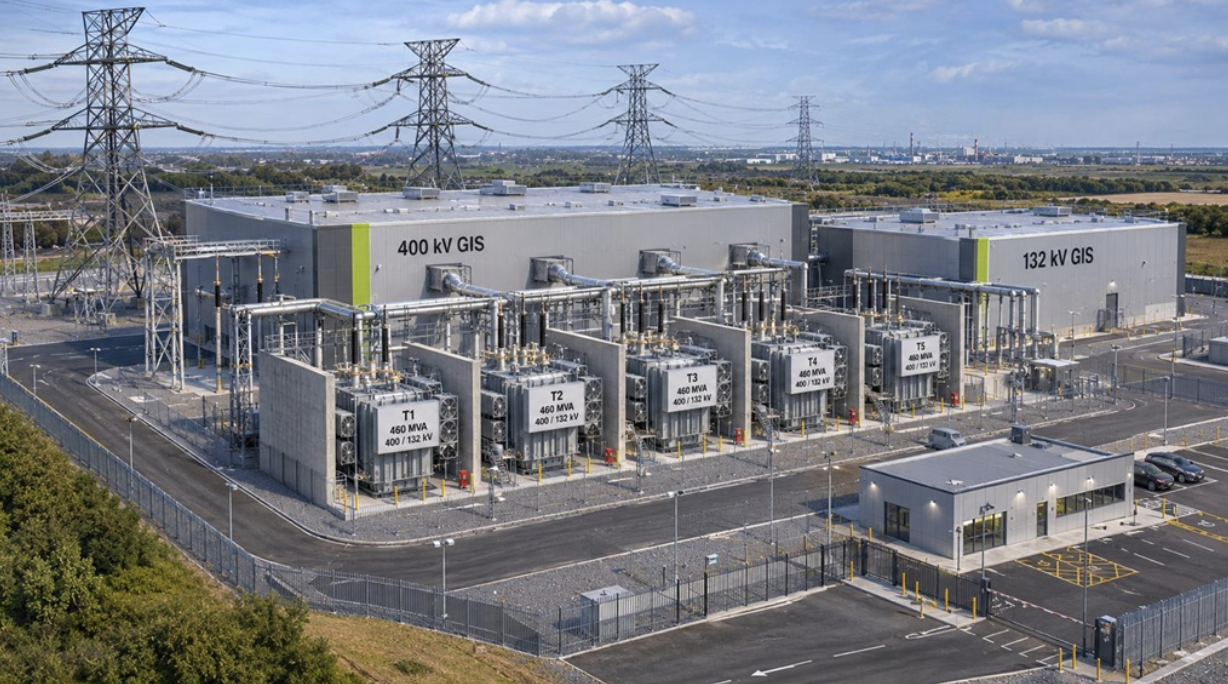
Image: Teesworks
The move follows reports last year that the UK government had picked Teesworks as the site for a new artificial intelligence datacentre, and planning applications had been submitted for a project that would span nearly 500,000 sq metres.
Matt Pearce, Head of Land at National Grid , said:
“Securing this land agreement is an important step forward in the development of the new substation.
“It reflects the constructive work between all those involved to enable this vital infrastructure which is part of The Great Grid Upgrade, the largest upgrade of the electricity grid in generations, and will support the growth of AI and digital technologies and enable the region’s next phase of industrial and economic development.
“We are committed to working closely with our partners to progress the development as quickly as possible.”
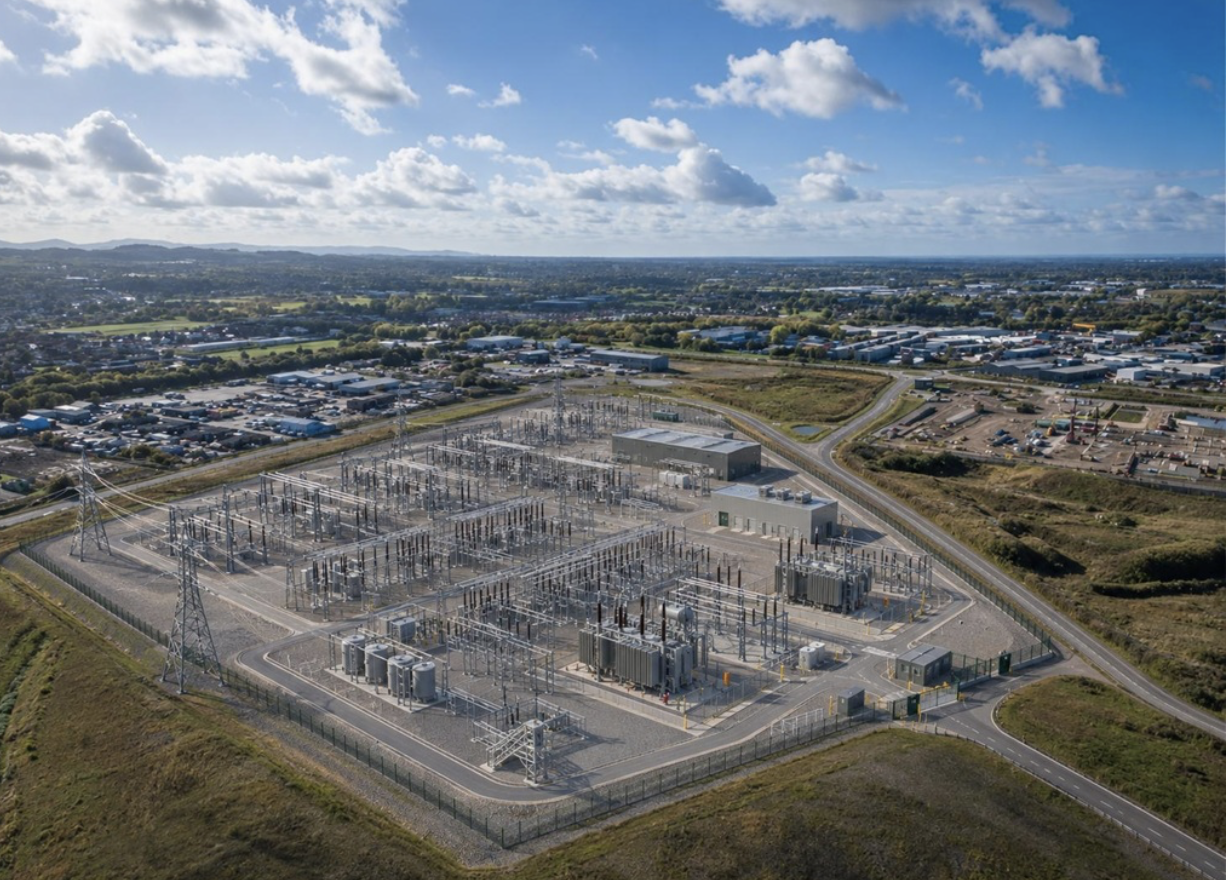
Image: Teesworks
"Agreeing this deal with National Grid is a significant milestone for Teesworks and reflects the scale of the opportunity here at the Teesworks site," said Chris Musgrave OBE, chairman of Teesworks.
"Making this land available for what is expected to be the UK's largest substation is an important step in putting the infrastructure in place to support the next phase of industrial development across the site."
The site will accommodate Teesside Node A, the major new substation that will be delivered by National Grid’s contractor, Balfour Beatty and from which National Grid will provide Steel River Power an additional 1.44GW (equivalent to the same amount of power as Greater Manchester and Glasgow combined).
The substation's initial 1,440 MVA capacity is scheduled to come online by the end of 2029 and has been contracted to Steel River Power (SRP), which owns and operates the private electricity network across the estate.
SRP's existing network has a capacity of 360 MVA, with 200 MVA currently available to support businesses and projects at Teesworks.
"Everyone who's tried to build a data centre or large-scale advanced manufacturing, technological or energy-intensive industrial developments in this country knows the biggest problem is getting enough power to the site quickly," said Tees Valley Mayor Ben Houchen.
"Having a contracted 1.44GW capacity, with further expansion up to 3.2GW in the near future, means we can finally compete for those projects."
Planning permission for the substation was granted last summer, with BP pulling out of plans for a hydrogen power station on the site.
The documents described a data centre covering more than 462,000 square metres. The build will, said Teesworks, lead to thousands of local jobs.
"If Britain is serious about having its own AI capability and other advanced manufacturing technologies, with sensitive data stored safely on British soil, it needs somewhere to physically put it, and I'd much rather that was Teesside than Texas or Abu Dhabi," said Houchen.

From left: Matt Pearce, Chris Musgrave, Ben Houchen and David Smith
Teesworks covers 2,500 acres, making it Europe's biggest brownfield site, and was identified as a possible location for a major AI data centre in 2025.
Last month, the government published a draft national policy statement on datacentres, describing them as “as fundamental to our economy as the railways and electricity networks on which we have long depended”.
“We must take control over the development of datacentres in this country and ensure that the country and host communities benefit from them,” it said.
"Having spent almost two decades working in the sector, I know how important access to power is in turning development ambitions into reality. For potential investors, having confidence that the energy infrastructure will be there to support their plans is crucial," said David Smith MBE, chair of the South Tees Development Corporation (STDC).
"This agreement is a real boost to our ability to attract future investment and move towards the development corporation's long-term aims: bringing land back into productive use, creating opportunities for local people and ensuring the whole area benefits from regeneration for decades to come."
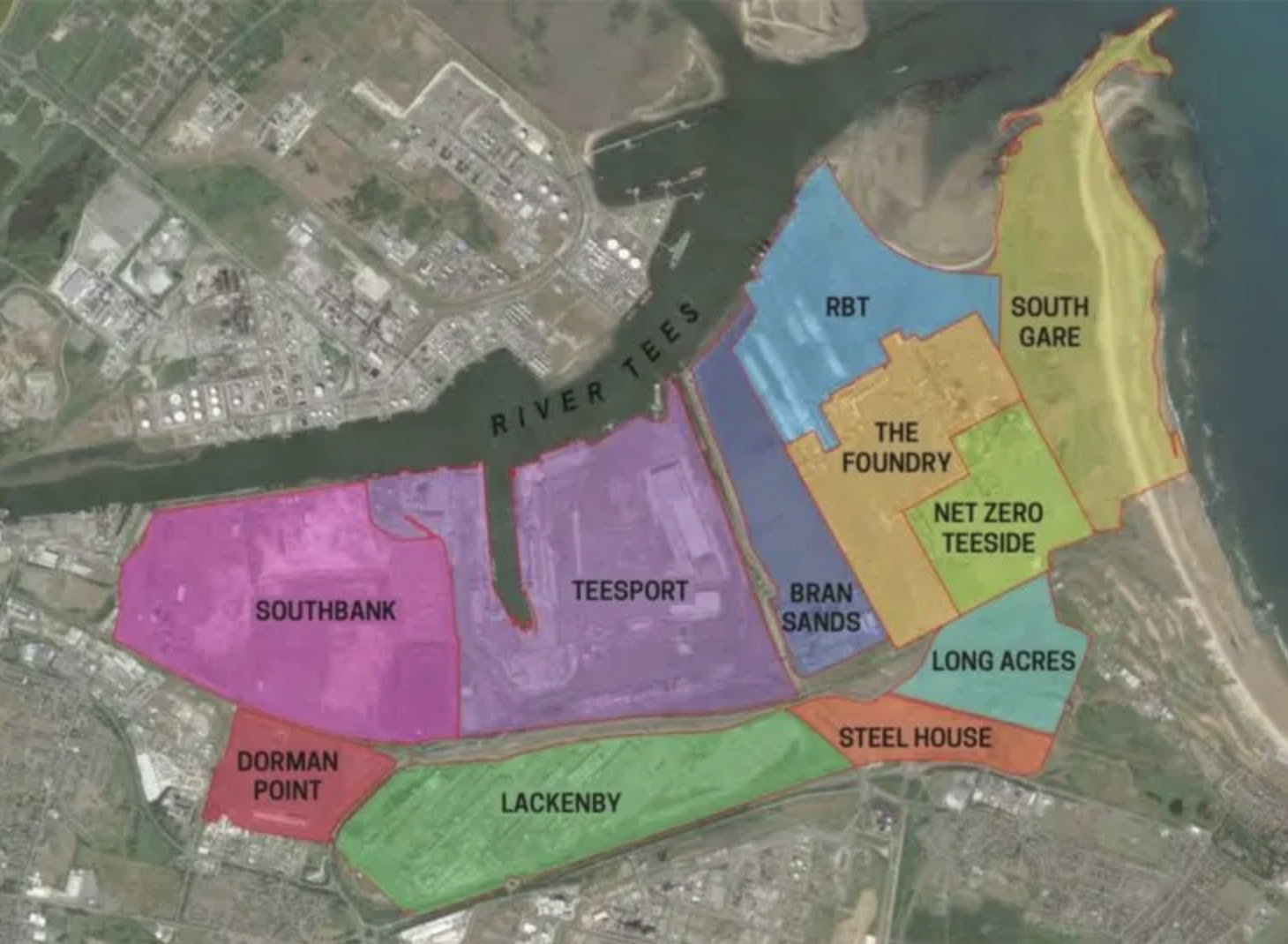
Blueprint for industrial development: Teesworks masterplan. Image:Teesworks
Balfour Beatty is reported to be in line to deliver the Teesworks substation for National Grid, with the utilities firm Steel River Power (SRP) also heavily involved in the project.