

Northern Ireland avoids £219 million in gas costs in 2025 due to renewable electricity
A new report Cutting Carbon, Cutting Bills demonstrates Northern Ireland avoided £219 million for gas and carbon costs in 2025 due to renewable electricity.
The report is published in the same week as the Department for the Economy’s Electricity Consumption and Renewable Generation in Northern Ireland statistics show that 47 per cent of electricity in 2025 was renewable.
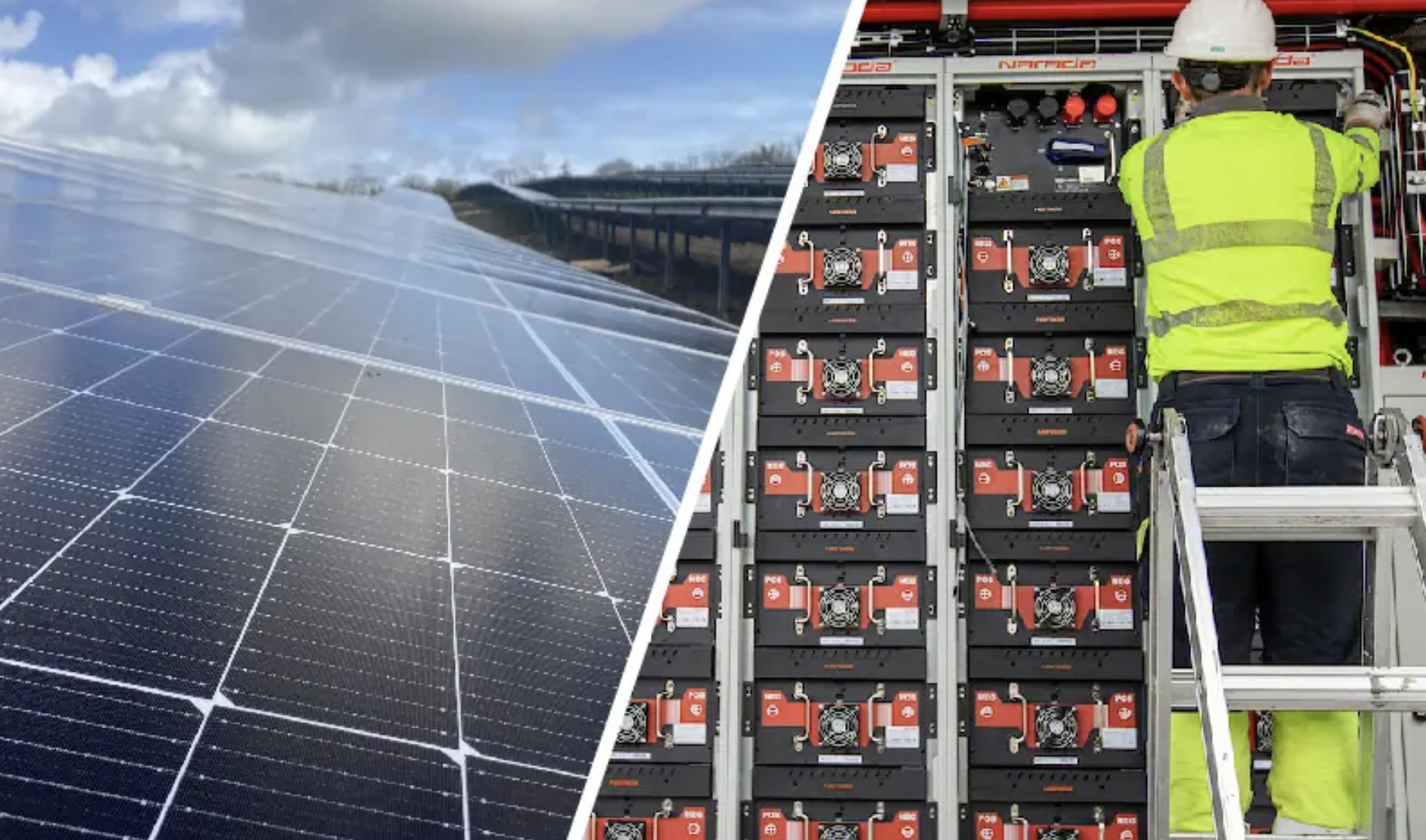
RenewableNI Director, Mark Richardson, said: “The comparison of these two reports should serve as a stark warning to our policy makers. In 2025 there was 3,198 GWh renewable generation from wind and solar, displacing £158 million in gas and £61million in carbon credits.
“People are worried about their bills. Businesses are worried about their costs. Understandably so, as international events caused energy prices to spike again this week. Renewable electricity provides security and certainty in an increasingly volatile global market.”
The latest quarterly DfE figures represent a continued downward trend from the 51 per cent peak achieved in 2022 and now include bioenergy and energy not generated in NI.*

Mark Richardson Image: Renewable NI
Mark Richardson continued: “Renewables have done more than any other industry to hold down the cost of electricity, but we are trying to sprint while dragging a parachute. We cannot overstate the risks posed by the lack of progress on the Renewable Electricity Price Guarantee (REPG).
“We need to incentivise investment in Northern Ireland to ensure we don’t fall behind the rest of Ireland and GB. Lack of Renewable Electricity Price Guarantee (REPG) progress, combined with planning and grid delays, is creating extensive timelines for developers. It really looks as if the government is penalising their best choice for a cleaner future.”
In their Cutting Carbon, Cutting Bills analysis, energy consultants Baringa reported:
onshore wind and solar generation resulted in a drop of almost 1 million tonnes of CO₂ in Northern Ireland in 2025;
£61m carbon credits saving £56m for wind and £5m for solar;
wind power in Ireland and Northern Ireland has displaced a total of €6.7billion worth of gas and carbon credits since 2022;
renewables saved over 5 million tonnes of CO₂ across the island of Ireland in 2025; the equivalent annual energy-related emissions of approximately 1.2 million households.
Commenting on the impact of limiting the use of gas for electricity generation, Mark said: “Since 2022, renewable energy kept over £1.1 billion in Northern Ireland that would otherwise have been paid into gas markets and related costs. More homegrown renewable energy means families and businesses are less exposed to global volatility.

New carbon investment: Conceptual rendering of a production facility for Newtonabbey-based Nuada, a leading specialist in high-efficiency CO2 separation from industrial exhaust gases. Image: Nuada
"There is still huge potential to go further. The introduction of the Renewable Electricity Price Guarantee (REPG) and associated auctions to secure more renewables will allow us to deliver the new wind and solar farms needed to increase our local energy supply in the years ahead.
“This will establish stability while helping to grow the local economy by attracting major investment, including in rural areas, and creating sustainable jobs.
“With the right policy conditions, which are needed quickly, renewable energy can continue to help protect consumers and create opportunities across Northern Ireland."