

Tesla's energy business given the green light to supply electricity in the UK
Britain's energy regulator has approved an electricity supply licence for Tesla Energy Ventures Limited, a subsidiary of Tesla.
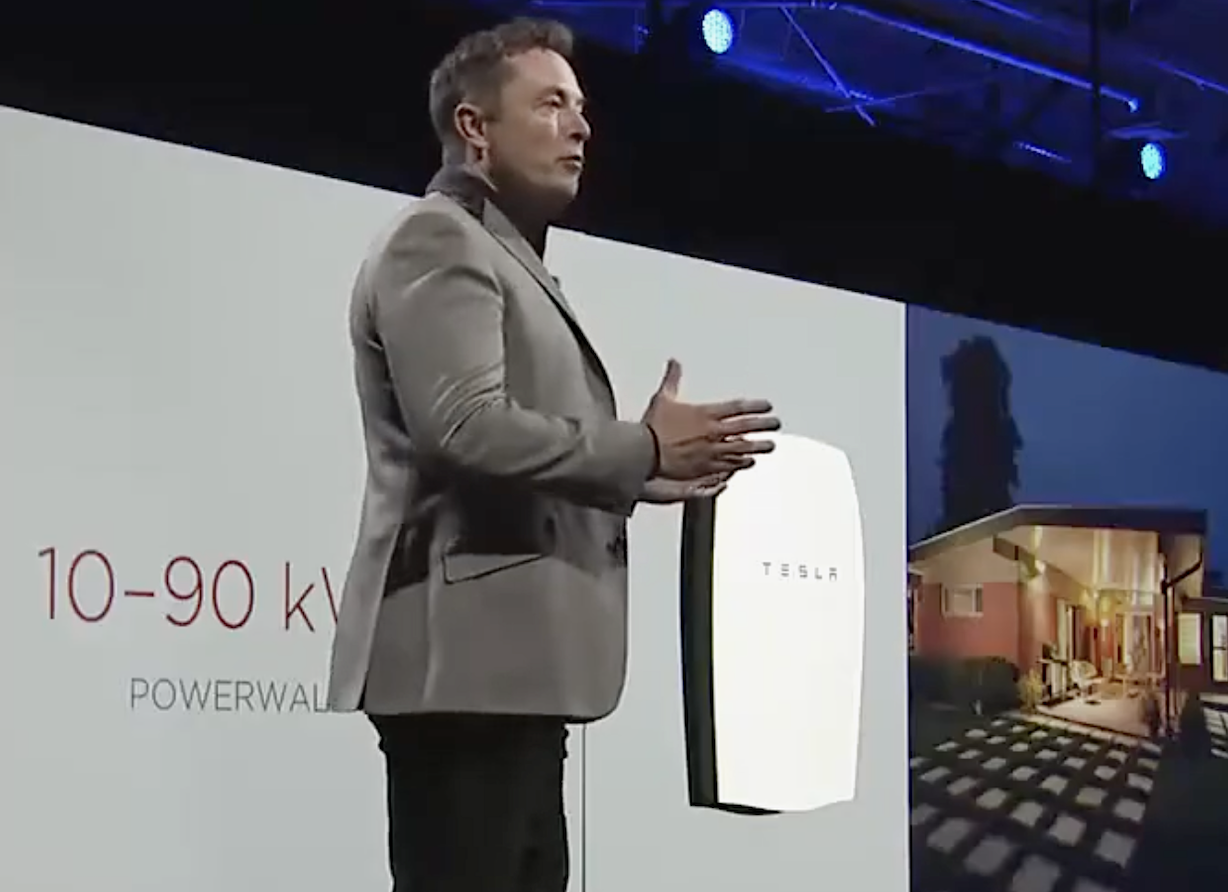
Approved: Ofgem has granted an electricity supply licence for Tesla Energy Ventures Limited, a subsidiary of Elon Musk’s Tesla Image: You Tube/Tesla Motors
This means Tesla Energy Ventures will be able to provide power to households and businesses across Britain.
The company is expected to launch an electricity supply service in Britain similar to Tesla Electric, which was introduced in Texas in 2022.
After approval by the Gas and Electricity Markets Authority, Tesla will be allowed to supply electricity to homes.
However, the electricity licence means it would not be able to supply dual-fuel homes. It could supply a customer whose electricity tariff is separate from their gas supply.
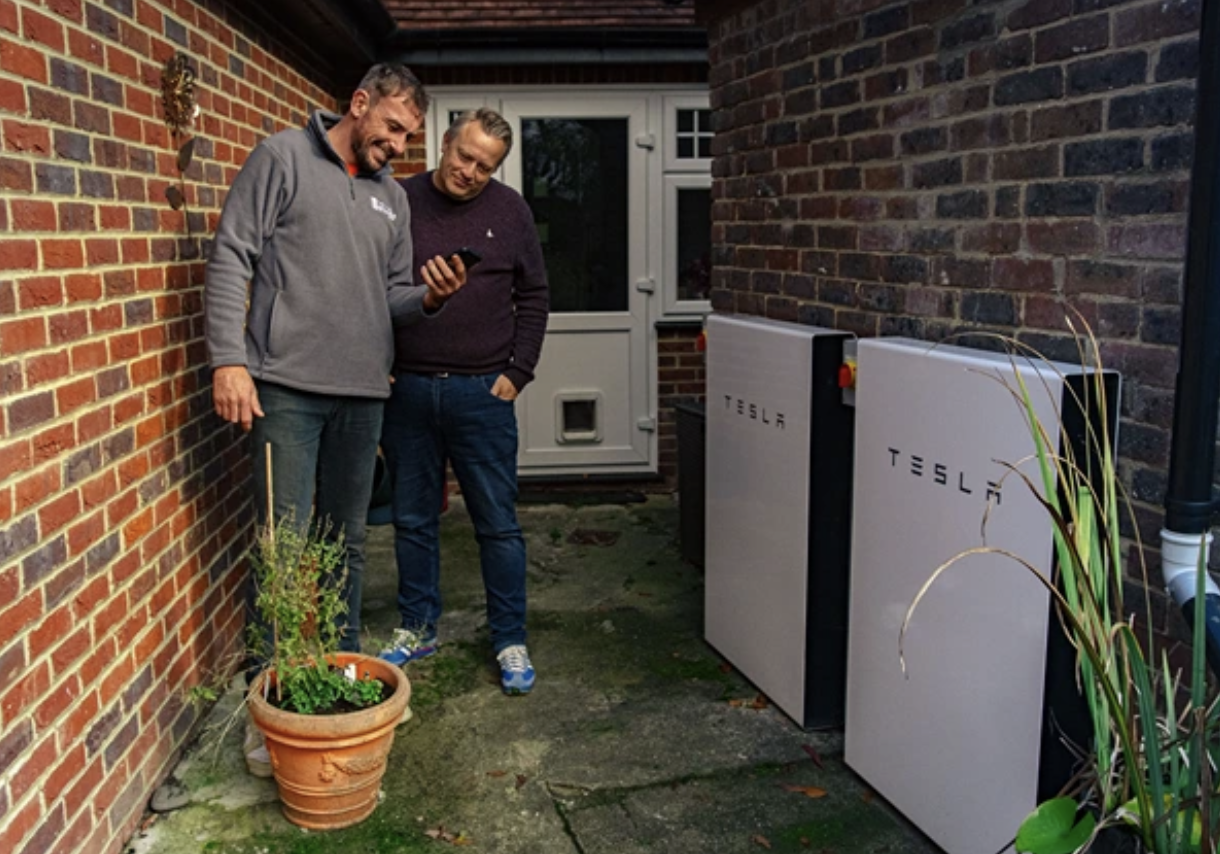
Image: Helios Energy
Ofgem said the licence covers electricity supply activities only and is separate from an existing generation licence held by Tesla Motors Limited. Some Tesla owners use a Powerwall home battery which uses solar energy to charge their vehicles, and excess energy can be sold back to the grid.
The move opens the door for Tesla Energy Ventures to enter the retail energy market and compete with the likes of Octopus Energy and British Gas, alongside its growing portfolio of battery storage solar and energy management technologies.
Ofgem said the application underwent a full assessment process between July 2025 and March 2026, in line with statutory licensing requirements.
Tesla Energy Ventures will be required to ensure consumer protection, fair treatment of customers, financial responsibility, billing transparency and operational capability.
The regulator said it would monitor compliance and 'may use its enforcement powers' under the Electricity Act 1989 and the Standard Licence Conditions, including issuing directions, imposing financial penalties or modifying licence conditions where necessary.
Tesla is widely expected to bring its Tesla Electric model from Texas to the UK. In Texas, Tesla Electric operates as a retail electricity provider offering 100% renewable power. The service doesn’t require customers to own Tesla products — anyone in an eligible area can sign up.
The core of the model relies on Tesla’s integrated ecosystem. Customers with Powerwalls can earn credits by exporting stored energy back to the grid, with sellback rates updating every 15 minutes. EV owners can charge during off-peak hours for a flat monthly price. Tesla’s Autobidder AI manages the energy flow, buying low and selling high across the grid in real time.
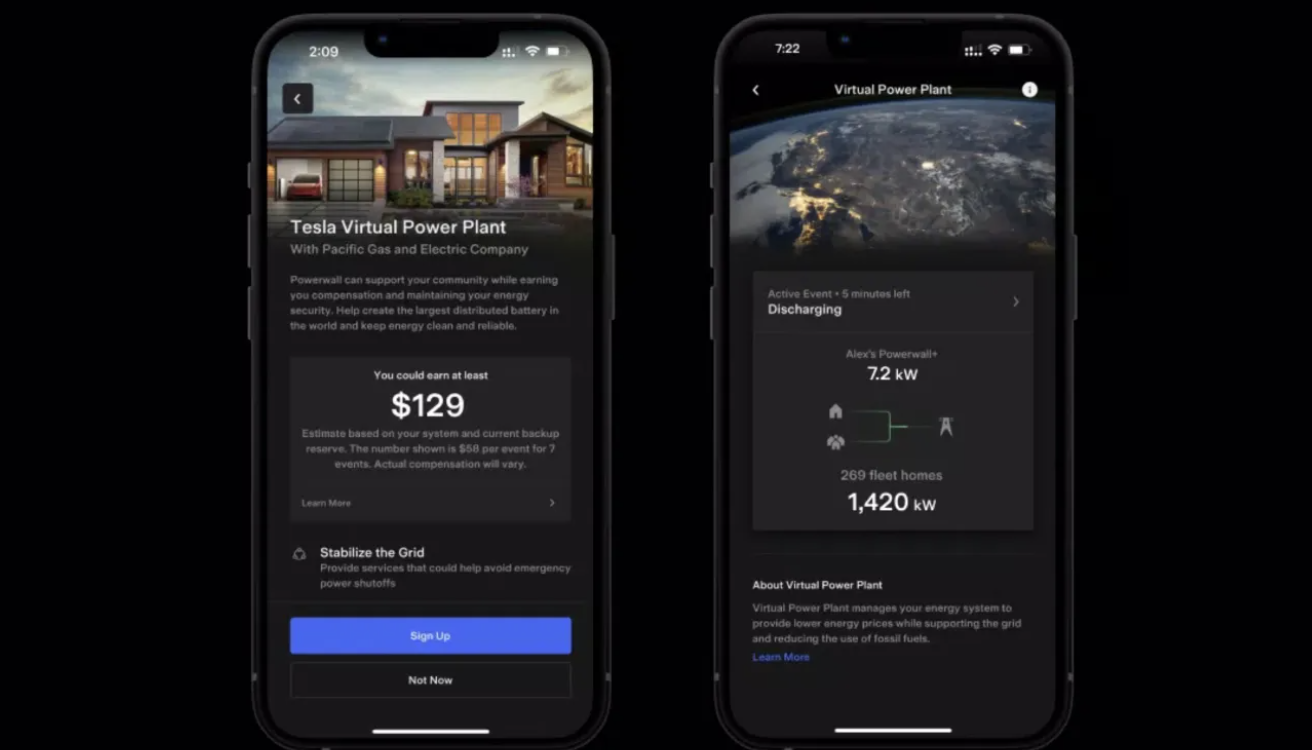
When enough Powerwalls are connected, they form a virtual power plant that provides grid services and lowers costs for all participants. In the States, the company is reported to have paid Powerwall owners $10 million through virtual power plants across its programs.
Tesla’s retail ambitions in the UK are backed by serious grid-scale infrastructure. In December, the company signed a massive 1 GWh Megapack project with Matrix Renewables for a 500 MW battery energy storage system in Eccles, in the Scottish Borders. The project sits along critical transmission corridors between Scotland and England, where it will store excess wind energy that would otherwise be curtailed.
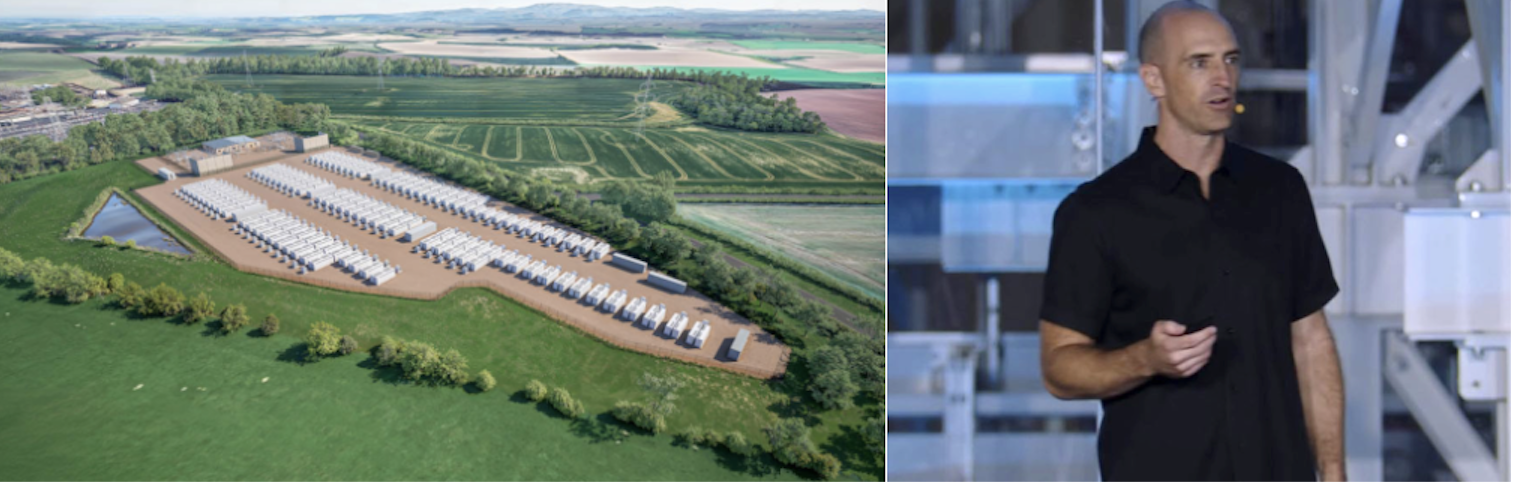
CGI Matrix Renewables Eccles and Mike Snyder
Mike Snyder, Tesla’s VP of Energy and Charging, called it a “landmark project.” All planning permissions have been secured and construction can commence. When completed, it will rank among the largest standalone battery installations in Europe.