

Ofgem move builds confidence in LDES investments
Ofgem has provisionally selected 16 long duration electricity storage projects in Scotland, England and Wales for support under its long duration electricity storage cap and floor scheme.
The projects include the 1.8GW Earba, and 1.4GW Coire Glas pumped hydro storage schemes, as well as the 500MW East Claydon and Sundon LDES battery projects.
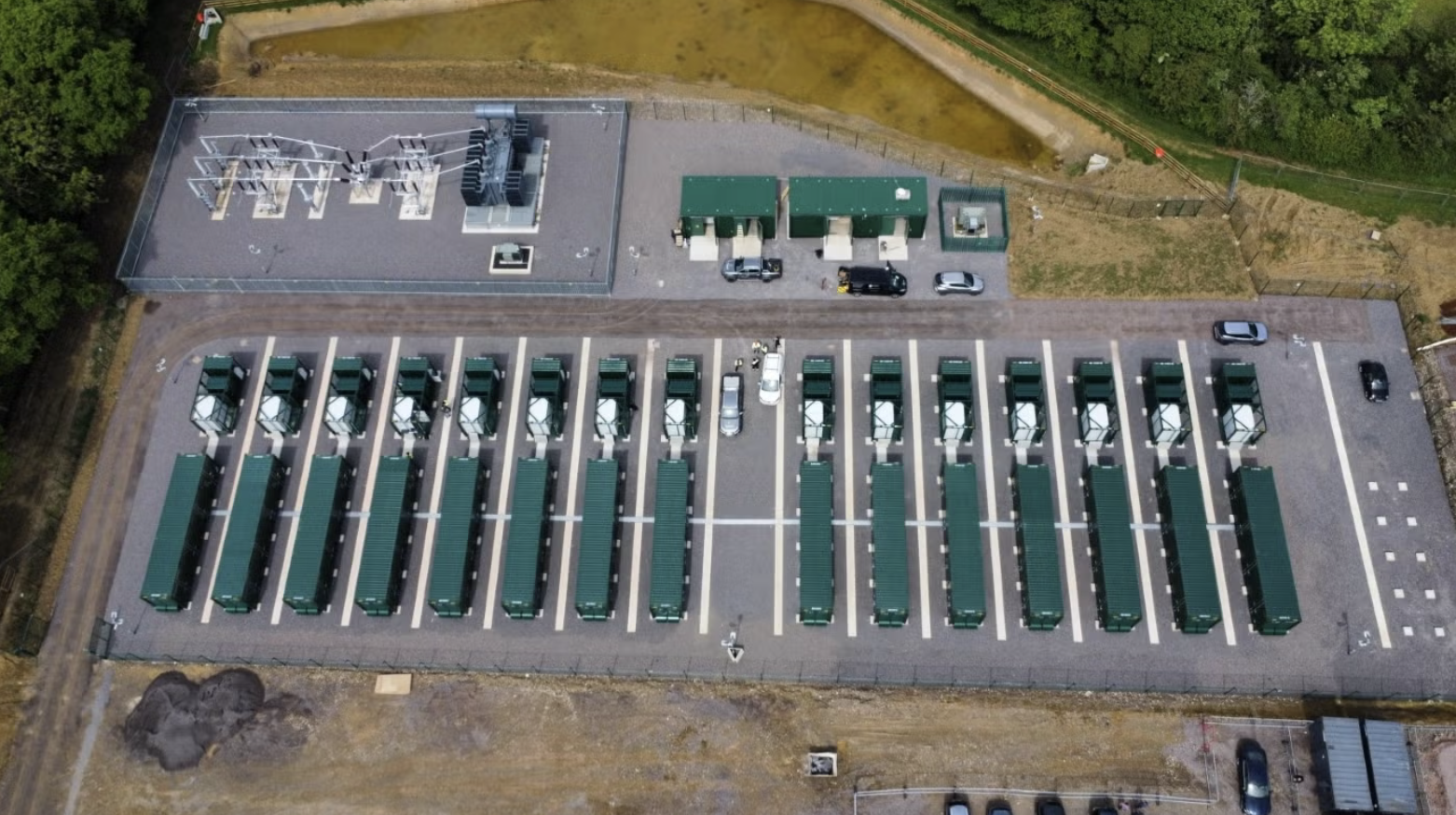
Statera Energy’s Minety South Battery Storage facility in Malmesbury, Wiltshire is similar to the Sundon LDES project. image: Statera Energy.
The regulator said the Minded-to-Decision list follows a rigorous eligibility assessment process and marks the programme’s move into the next phase of project selection.
Ofgem added the portfolio is anticipated to reduce costs by easing pressure on transmission and distribution networks and minimising the need for costly investment in new infrastructure or constraint management.
Ofgem will now seek stakeholder views on the proposed decisions before making final determinations later this year.
“Ofgem is creating the right infrastructure for renewable energy to thrive and improve our energy security and reduce reliance on global gas markets,” said Akshay Kaul, director general for infrastructure at Ofgem who will be speaking at the GRID-UK conference in London on 1 October.
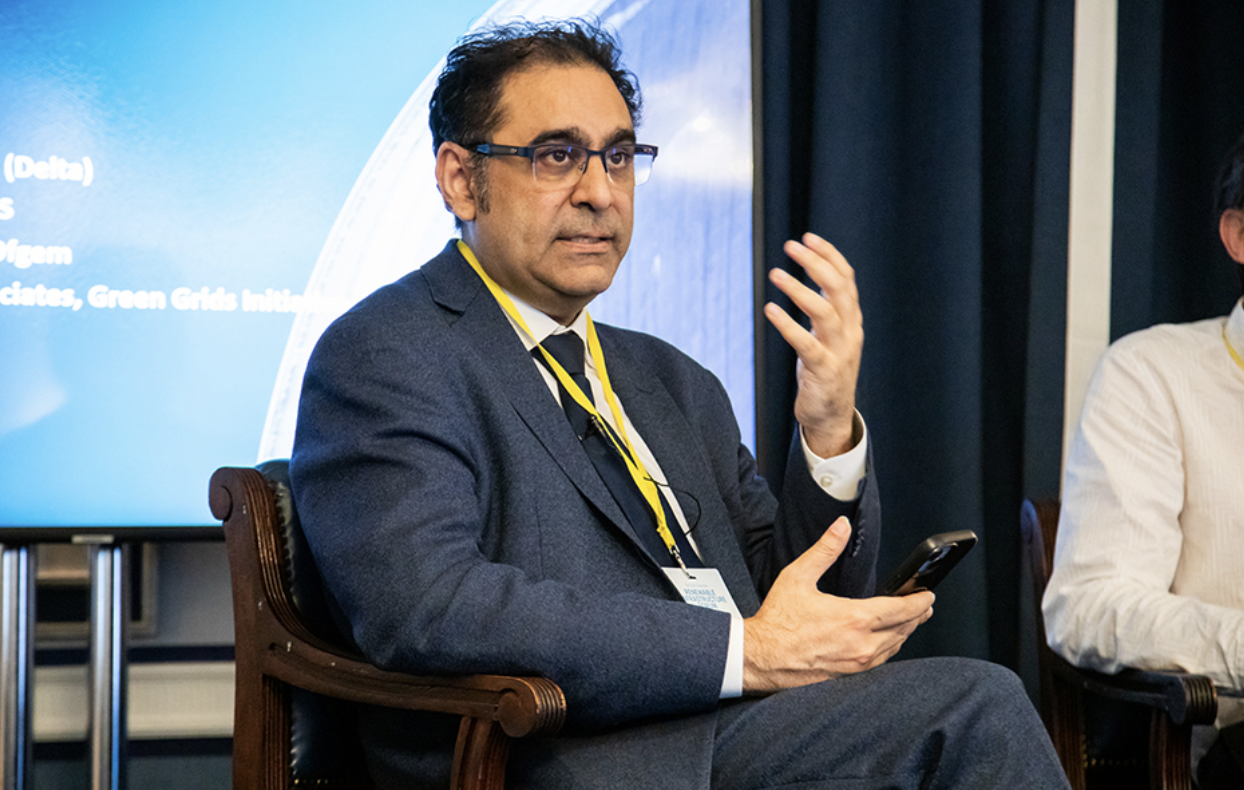
Akshay Kaul
“It’s fantastic to see such a wide range of technologies coming forward. This takes us a step closer towards the long-duration energy storage we need in a clean power system to maintain secure supply during periods of cold, hot, still or cloudy weather when solar or wind power output may be low.”
The consultation will remain open until 7 August, with unsuccessful projects potentially able to participate in future selection windows or proceed as merchant projects.
SSE said it notes today’s development and added it will now assess the outcome of the LDES project assessment and will engage fully with Ofgem to work through a significant number of points of detail, “which will need to be resolved for the project to progress”.
“Coire Glas is one of the UK’s most advanced pumped storage hydro projects and its potential delivery would support a cleaner, more secure and more affordable energy system,” it added.
“Any final decision to progress the project would be taken in line with SSE’s continued focus on capital discipline and with strict adherence to its return thresholds.
The Transition Finance Council has published a roadmap calling for tens of billions of pounds of investment in long-duration energy storage in the UK. The council said large-scale deployment of long-duration energy storage, or LDES, is critical to meeting net zero targets and supporting the rollout of artificial intelligence.
LDES includes technologies such as large batteries and pumped-hydro storage that can discharge energy for eight hours or longer, according to the roadmap.
The council said £10bn-£15bn of investment will be required by 2030, with a further £30bn-£60bn needed by 2050.
It said scaling LDES could reduce system costs, lower consumer bills, ease grid congestion and support job creation in previously left-behind regions.
The roadmap calls for coordinated action from government, regulators and industry to unlock private investment. It recommends that government provides revenue parity or a minimum revenue floor for LDES projects to improve bankability. The council also said the National Wealth Fund should continue investing in LDES and increase the use of concessionary and catalytic capital.

Lord Alok Sharma
Lord Alok Sharma, chair of the Transition Finance Council, said long-duration energy storage is vital to the UK’s energy transition.
“Developing long duration energy storage at scale is going to be vital in helping the UK transition to a decarbonised and stable energy supply system, enhance energy security, insulate our economy against energy supply shocks and ultimately help bring down electricity bills,” said Sharma.
“This Long Duration Energy Storage Roadmap aims to set out a practical guide to mobilising the finance required to enable the scaling-up of this sector,” he added.