

GRID-UK Day One Highlights: Building confidence, adding value
David Wilkins, Head of External Affairs for Northern Powergrid, the electricity distribution business for Yorkshire and the North East of England, set out his company’s views of the opportunities created but the on-going energy transition.
He was supportive of the government strategy as moving in the right direction but noted its success would be dependent on the long term.
The cost was an important issue but there was more to be said about the value the investments would deliver and that mattered to investors.
Northern Powergrid is owned by legendary US based investor Warren Buffett who was minded to back UK investments given the stability of the regulatory regime, but Wilkins said future investment had to be as good as if not better than opportunities elsewhere.
The ED3 framework was a good start in defining the value proposition but there was still work to do to clarify the level of commercial returns.
The Northern Powergrid approach to promoting growth went far beyond policy and investment, it was maintaining market sentiment and confidence, whilst offering protection to vulnerable consumer groups and looking to extend supply chains into the communities it serves.
Matt Barton, HVDC Portfolio Director for SP Energy Networks servicing central Scotland, England’s North West and north Wales, opened by explaining over the past two years how his business had become a major engine of growth.
The company was now responsible for £17bn worth of investments, encompassing 571 core projects, 16 strategic onshore schemes and three HVDC projects and now had over 1000 employees. Some £500m was allocated to SPEN projects in the last year alone.
The future was exciting, building on recent achievements but increasing the pace was necessary. That could only happen with holistic network planning and innovations in consenting.
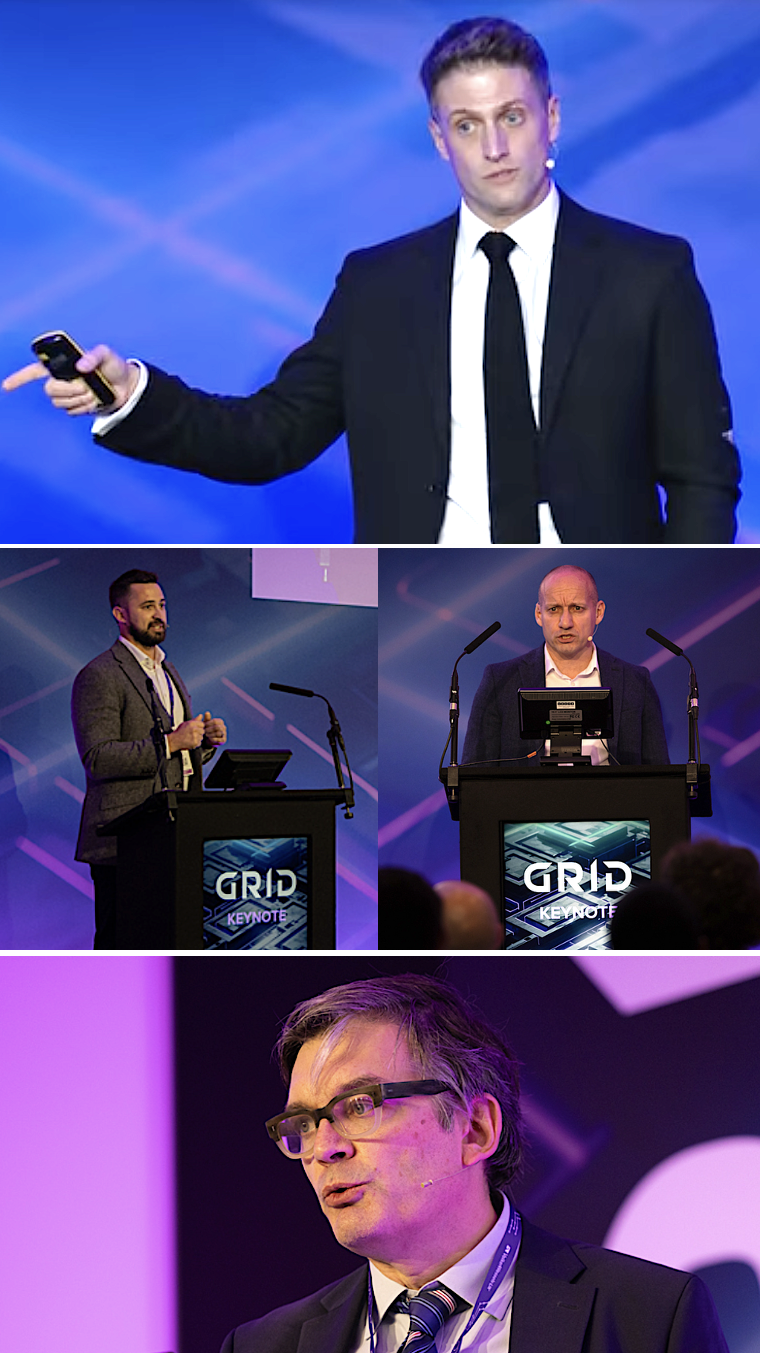
David Wilkins (top) Matt Barton (centre left) Ricky Saez (centre right) , and David Lunn
SSEN’s Director of Programmes Ricky Saez echoed Barton’s message.
“We’re living through an extraordinary period of change in the energy sector”, he observed.
The grid is the catalyst that connects renewable generation to homes, businesses and industry and its importance cannot be underestimated. SSEN is delivering £29bn in the North of Scotland, which is generating affordable clean power, energy security, jobs and training for our communities and businesses across Scotland and the UK”.
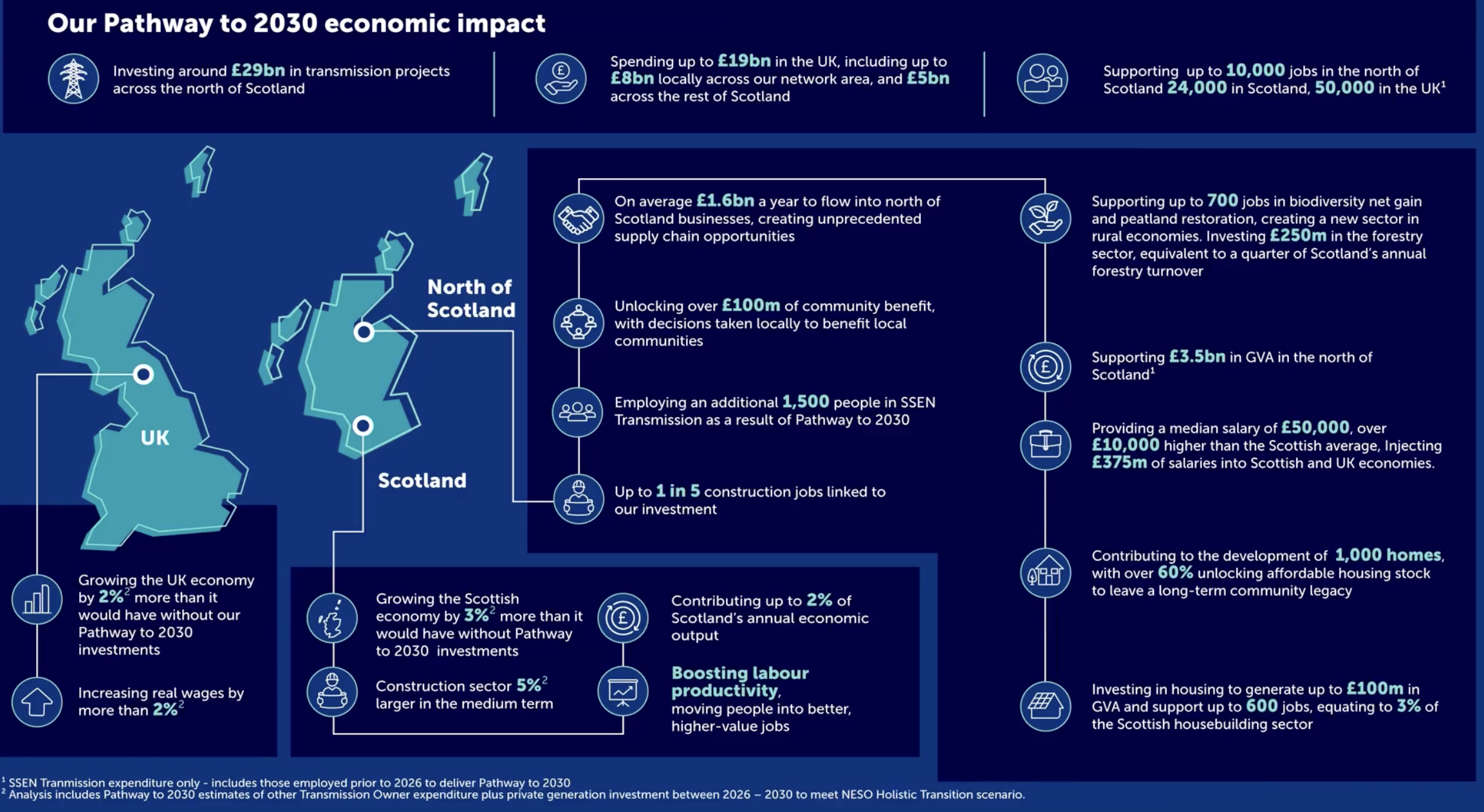
Blueprint for growth - the SSEN plan Image: SSEN
The transmission network needs greater capability and capacity especially transporting greater volumes of electricity over greater distances. Success could only be achieved through collaboration and Saez cited EGL (Eagle) 2 as a best practice exemplar. The project the largest of its type ever constructed in the UK led by SSEN and National Grid Transmission carrying enough electricity to power 2 million homes. The achievement marks a new approach to shared governance, integrated delivery teams and common goals and outcomes. This is delivering real benefits for real people”.
David Lunn, Director of Market Engagement of the National Infrastructure & Service Transformation Authority offered a different perspective on the need for delivery at pace.
NISTA was helping to plan the long-term public investment pipeline that would underwrite private investment and prioritise infrastructure by identifying those projects offering the optimum outcomes over the coming 10 years. The most significant energy investments would be £102bn for offshore wind, £97bn for transmission, oil and gas at £53bn and onshore wind at £34bn. The number of jobs projected to be sustained across the sector were likely to be in the region of 700 000.
Sally Prickett, Arup’s Energy Lead for the UK focused on what she saw of the success of the UK energy transition to date, namely leveraging regulatory innovation, aligning policy, bridging the gap between investors and the supply chain, and embedding social & environmental value into design and delivery. The next steps should be coordinating investment to accelerate whole system energy transition, transforming clean power ambitions into resilient and investible energy networks and reimagining project delivery to bring communities on the journey.
Engaging with customers was critical to ensuring the success of energy investments and BE.EV’s experience in investing in a national EV charging network was proving the point.
Adrian Fielden-Gray, BE.EV’s Chief Strategy Officer, charted the firm’s journey from modest beginnings in the North West to becoming a national network and partner with Octopus.
The EV market in the UK is dynamic with approximately 2 million EVs on the road serviced by a network of some 120, 000 commercial charging stations operated by around 140 suppliers suggesting some potential for market consolidation in the years ahead.
And the signs for the future are good.
Last year the UK achieved 473 000 new EV registrations - more than Denmark, Norway, Sweden and Finland combined.
EV ownership offers perhaps the greatest contribution to UK Clean Power decarbonisation targets by the end of the decade.
Given the present geopolitical pressures, charging at most locations ranging from 39p per KWh provides a great incentive for customers.
Combined with convenient payment and access to convenient shopping facilities and coffeeshops BE.EV is playing a leading role in meeting customers demands for convenience supported by solid research into customers preferences and social media “lifestyle” influencers.
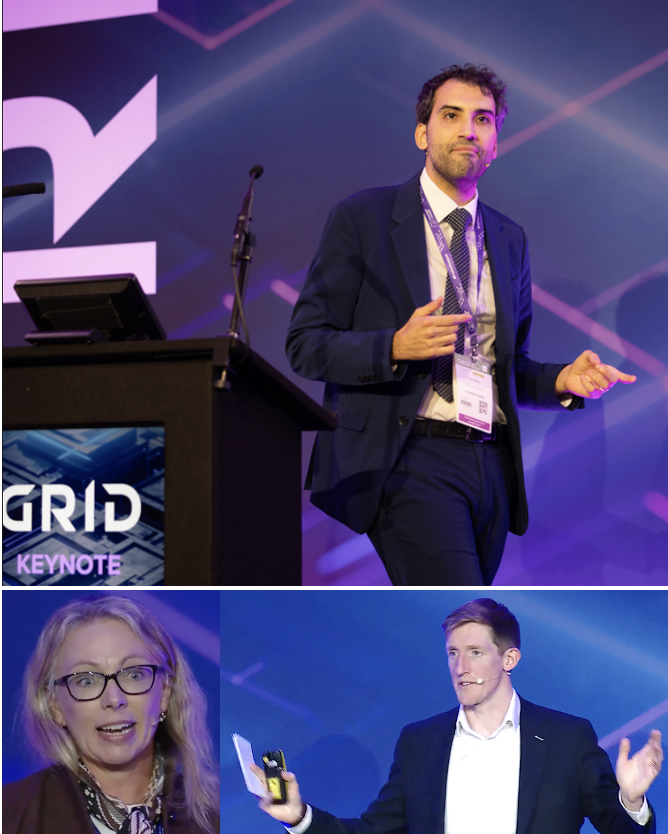
Luca Grella (top), Sally Prickett and Adrian Fielden-Gray
Understanding customers and responding to their needs is a growing challenge across the industry as a whole and UK Power Networks, consistently recognised for their achievements in customer service, continues to play a leading role.
Demand growth led by new products such as heat pumps as well as EVs are putting new strain on a system characterised by aging infrastructure. Solutions such as digitalisation have an increasing contribution to make but new efficiencies need to be assessed before coming to the market. UKPN needs to review the introduction of new equipment to ensure the equipment works, and the innovation can be scaled up as well as checking it benefits customers. A key message from Luca Grella Head of Innovation at UKPN was a successful trial is not necessarily a deployment decision.
The lessons are clear - start with the problem, not the technology, design for deployment from the beginning, make investment decisions based on evidence, and remember - innovation only succeeds when the business funds it.